Adding color and life to your indoor space doesn’t require a green thumb or a conservatory. Indoor flowering plants are among the most rewarding projects for homeowners and DIY enthusiasts because they deliver immediate visual payoff, blooms, fragrance, and that satisfying sense of nurturing something alive. Whether you’re decorating a living room, brightening a kitchen counter, or filling a sunlit bedroom corner, flowering houseplants offer practical solutions that work for both beginners and experienced gardeners. This guide breaks down the best indoor flowering plants for 2026, care strategies, and troubleshooting tips to help you succeed.
Table of Contents
ToggleKey Takeaways
- Indoor flowering plants like African violets, begonias, and phalaenopsis orchids are beginner-friendly options that deliver blooms with minimal care and build gardening confidence.
- Consistent watering (when top 1 inch of soil is dry), proper humidity (40–70% depending on species), and 4–6 hours of bright indirect light are essential for flowering houseplants to thrive and produce blooms.
- Advanced indoor plants that flower, including gardenias and hibiscus, require precise temperature control, high humidity, and specific soil compositions—honestly assess your home’s conditions before choosing these demanding species.
- Deadheading spent flowers, switching to phosphorus-rich fertilizer during blooming season, and maintaining temperature stability (65–75°F day, 5–10°F cooler at night) maximize blooming cycles and prevent bud drop.
- Bud drop and lack of blooms typically stem from inconsistent watering, insufficient light, low humidity, or sudden environmental changes—prevention through stable conditions is easier than solving problems after they occur.
Top Flowering Indoor Plants for Beginners
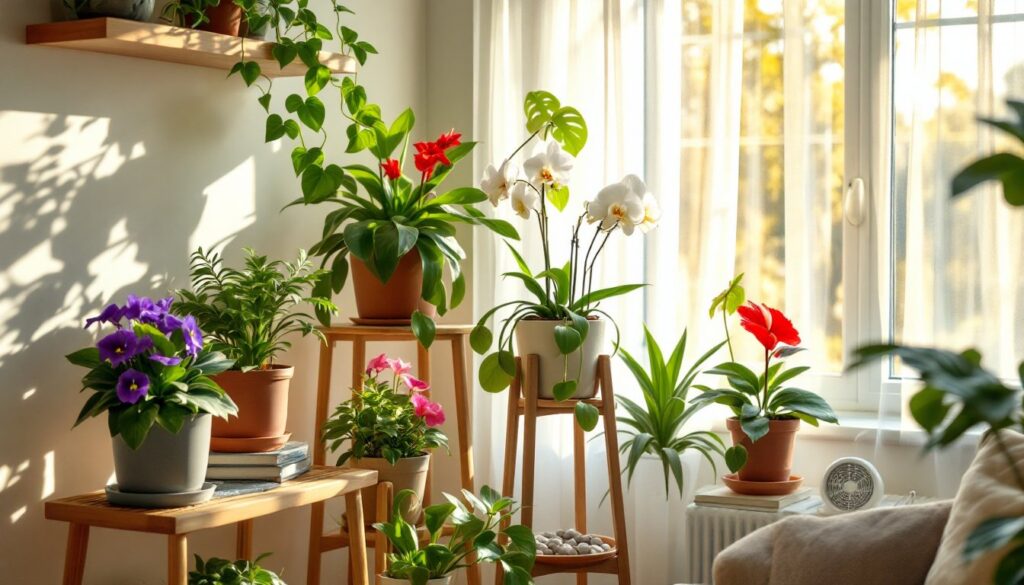
Starting with forgiving plants builds confidence and prevents frustration. African violets are the gold standard for beginner bloomers, they flower readily indoors under moderate, indirect light, need simple watering (keep soil moist, not soggy), and tolerate typical household humidity. They bloom in clusters of purple, pink, or white flowers year-round with basic care.
Begonias are equally reliable. Wax begonias produce delicate pink, red, or white flowers and adapt well to indoor light conditions without demanding perfection. They’ll handle inconsistent watering better than most flowering plants, though consistent moisture helps.
Phalaenopsis orchids (moth orchids) have a reputation for difficulty that’s undeserved. These actually prefer lower light than many houseplants, need watering only once weekly, and will rebloom for years with minimal intervention. The flowers last weeks or months, making them excellent value for effort.
Kalanchoe blossfeldiana is another solid starter, it produces bright clusters of tiny flowers in red, pink, yellow, or orange, thrives on neglect, and tolerates dry indoor air. It prefers bright light and infrequent watering, fitting nicely into a busy household.
These plants teach you the fundamentals: light requirements vary by species, watering matters more than most homeowners realize, and patience during non-blooming seasons pays off. Start with one or two: success builds momentum.
Advanced Flowering Plants for Experienced Gardeners
Once you’ve mastered beginner plants, move toward species with specific demands. Gardenias produce intensely fragrant white flowers but require consistent warmth (65°F minimum), high humidity, acidic soil, and bright indirect light. One misstep, cold drafts, hard water, or fluctuating temperature, and bud drop happens fast. They’re rewarding but unforgiving.
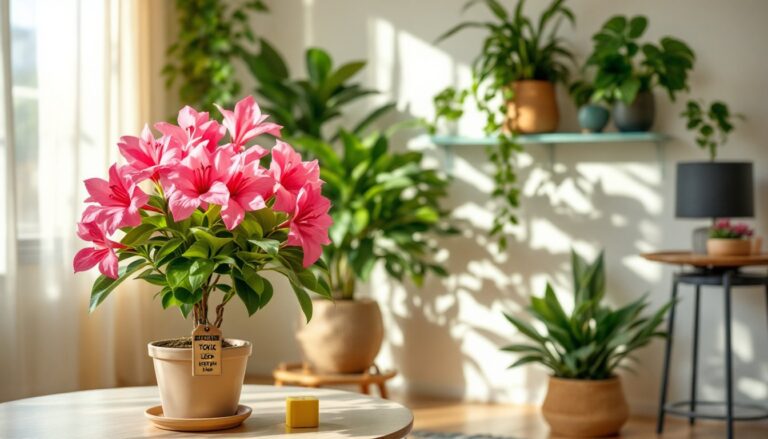
Azaleas (note: technically shrubs, sold as houseplants) need cool temperatures, humidity, consistent moisture, and excellent drainage. They produce prolific blooms in whites, pinks, reds, and purples but can’t tolerate the warm, dry air of many homes.
Hibiscus flowers large and showy, red, orange, pink, yellow, or multicolor, but demands bright light (6+ hours), consistent warmth, regular feeding during growing season, and vigilance against spider mites and whiteflies. The payoff is spectacular, but the commitment is real.
These advanced options require precise environmental control. Before choosing one, honestly assess whether your home provides the necessary conditions. Forcing a gardenia to bloom in a dark apartment guarantees disappointment.
Orchids and Exotic Bloomers
Cattleya orchids produce dramatic, fragrant flowers in pink, purple, white, or yellow and require cooler nighttime temperatures (55–60°F) and bright light. Dendrobium orchids tolerate more forgiving conditions but still prefer temperatures that drop 10–15°F at night. Both types need high humidity and air movement, think of a tropical greenhouse, not a closed bedroom.
Anthuriums (flamingo flowers) offer waxy, heart-shaped blooms in red, pink, or white that persist for weeks. They handle lower light than most flowering plants and tolerate typical indoor humidity, making them more practical than true orchids. They produce fewer dramatic flowers but fit more homes.
Bromeliads (including Guzmania and Vriesea) flower spectacularly, tall, colorful spikes or rosettes, but bloom once per plant, then gradually decline. They’re conversation pieces more than long-term investments. Treat them as temporary displays if you want them, or commit to propagating offsets for ongoing color.
Essential Care Tips for Indoor Flowering Plants
Flowering plants demand slightly more attention than foliage-only varieties. Watering is the biggest variable: too much and roots rot: too little and flowers drop before opening. The rule is simple but requires checking: water when the top 1 inch of soil feels dry to the touch. For most flowering houseplants, this means watering thoroughly once weekly, but it depends entirely on your pot size, soil type, and home’s humidity. Never guess, feel the soil.
Humidity affects flowering significantly. African violets and begonias appreciate 40–60% humidity: orchids prefer 50–70%. If your home is dry (typical in winter or air-conditioned spaces), group plants together, set pots on trays filled with pebbles and water, or run a humidifier. This isn’t optional for moisture-loving plants, low humidity causes bud drop and pest infestations.
Feeding matters more for flowering plants than foliage types. Once buds appear, switch to a phosphorus-heavy fertilizer (higher middle number in the NPK ratio, like 10-52-10). This promotes blooming rather than leaf growth. Feed every two weeks during the growing and blooming season: cut back or stop during winter dormancy. Over-feeding causes lush leaves but few flowers.
Light is non-negotiable. Most flowering houseplants need 4–6 hours of bright, indirect light daily. South-facing windows work best: east or west windows often provide adequate light. North-facing windows are generally too dark for consistent blooming. If natural light is limited, easy house plants with lower light tolerance may suit you better, or invest in grow lights positioned 6–12 inches above foliage.
Deadheading (removing spent flowers) encourages more blooms. As flowers fade, pinch or cut them off just below the base. This signals the plant that pollination failed, triggering more flowers rather than seed production.
Creating the Ideal Growing Environment
Temperature stability matters more than most homeowners realize. Most flowering houseplants prefer 65–75°F during the day and 5–10°F cooler at night. Consistent warmth (no cold drafts, no radiators blowing hot air) prevents stress-induced bud drop. Orchids and gardenias are particularly sensitive: a shift from 70°F to 55°F overnight can trigger flowering in some species but devastate buds in others.
Air circulation prevents fungal issues and strengthens stems. A small oscillating fan on low, running a few hours daily, improves air movement without creating harsh, drying conditions. This is especially important for humidity-loving plants clustered together.
Soil composition directly affects drainage and root health. Standard potting soil works for most flowering plants, but orchids, bromeliads, and gardenias need customized mixes: orchids prefer bark-based medium: bromeliads tolerate loose, draining soil: gardenias need acidic, peat-heavy soil. Using the wrong soil is a common reason flowering plants decline indoors.
According to resources on flowering houseplants, seasonal changes in day length trigger flowering in many species. Shorter winter days stimulate blooms in begonias, kalanchoes, and certain orchids. If your plant normally flowers in winter but hasn’t, inconsistent light or temperature might be the culprit.
Pot selection matters: use containers with drainage holes, size them appropriately (too large and soil stays soggy), and repot every 1–2 years when plants outgrow pots. Popular house plants often signal readiness to repot when roots grow through drainage holes or the plant dries out too quickly between waterings.
Troubleshooting Common Flowering Issues
Buds drop before opening is the most frustrating problem. Causes include inconsistent watering, cold drafts, low humidity, or sudden environmental changes. Fix it by stabilizing conditions: maintain consistent moisture (not soggy), keep the plant away from cold windows and heat vents, and increase humidity by misting or grouping plants. Once buds drop, they won’t return that season, prevention is easier than cure.
No blooms at all usually signals insufficient light. Flowering requires energy, and dim locations don’t provide enough. Move the plant closer to a window or add grow lights. Insufficient phosphorus fertilizer is the second culprit: switch to a blooming formula during the growing season. Finally, young plants sometimes need a year or two before flowering: patience required.
Yellowing leaves combined with soft stems suggests overwatering. Reduce frequency, ensure pots have drainage holes, and repot in fresh soil if roots smell musty. Orchids and anthurium tolerate drying out between waterings better than begonias or African violets: know your plant’s preference.
Pest infestations thrive indoors. Spider mites, mealybugs, and scale insects weaken plants and prevent flowering. Isolate affected plants, spray foliage and undersides of leaves with neem oil or insecticidal soap, and repeat every 7–10 days for two weeks. Prevention is simpler: inspect new plants before bringing them home, maintain humidity (spider mites hate moisture), and avoid overfeeding (pests love tender new growth).
Leggy, weak growth with few flowers means insufficient light or too much nitrogen fertilizer. Increase light exposure and switch to balanced or phosphorus-heavy feeding. Pruning back leggy stems encourages bushier growth, though it delays next blooming cycle. The Spruce offers detailed pest and disease identification if you’re unsure what’s causing decline.
Conclusion
Indoor flowering plants are projects, not just decoration. They reward attention to light, water, humidity, and feeding with months of color. Start small with forgiving species like African violets or begonias, learn their habits, then explore more challenging bloomers as confidence builds. Best house plants guides can help you expand your collection thoughtfully. The satisfaction of watching a plant transition from buds to full bloom makes every watering and humidity adjustment worthwhile.