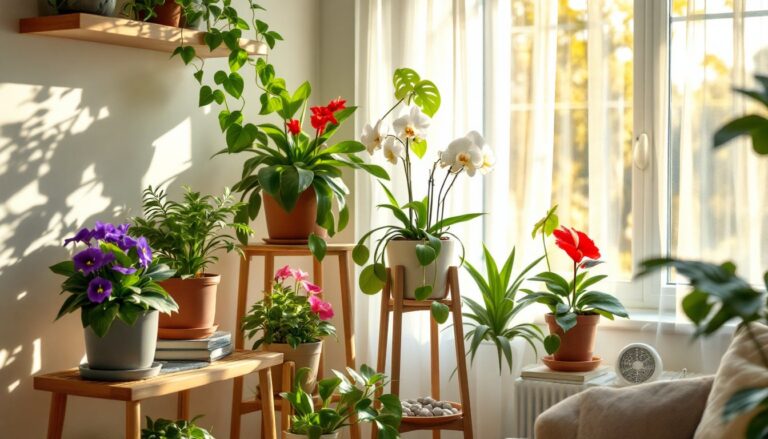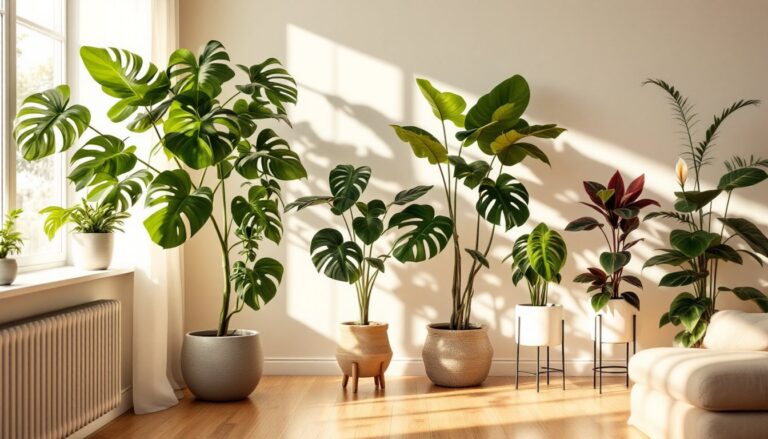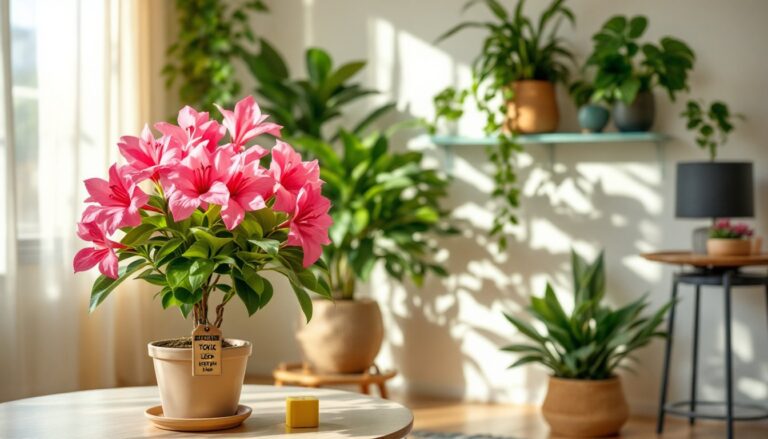
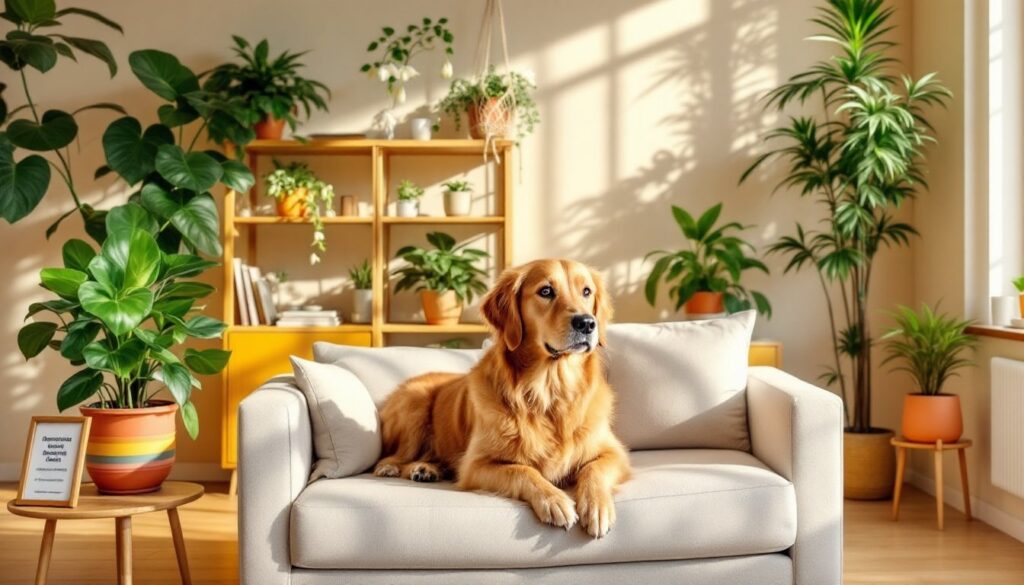
You love having greenery around your home, it brightens spaces, purifies the air, and adds life to any room. But if you have a dog, not every houseplant is safe to bring inside. Some common decorative plants can cause serious health problems if your dog chews on them or ingests their leaves, stems, or roots. This guide walks you through which indoor plants are poisonous to dogs, how to spot the warning signs, and what safe alternatives exist so you can enjoy both plants and pets without worry.
Table of Contents
ToggleKey Takeaways
- Lilies, sago palms, and oleander are among the most dangerous indoor plants poisonous to dogs, with even small amounts capable of causing severe kidney, liver, or heart damage.
- Dogs exposed to toxic plants often show symptoms like vomiting, diarrhea, lethargy, or tremors within hours to days—contact your vet or ASPCA Animal Poison Control Center immediately if poisoning is suspected.
- Strategic placement using high shelves, wall-mounted planters, hanging baskets, and barriers effectively keeps toxic plants out of your dog’s reach while maintaining your home’s décor.
- Spider plants, Boston ferns, African violets, and Christmas cacti are beautiful, low-maintenance alternatives that are completely safe for dogs and widely available.
- Early identification of which plants are poisonous to dogs and removing them from your home is one of the easiest steps to prevent accidental poisoning and protect your pet’s health.
- Keep your veterinarian’s phone number and the ASPCA Animal Poison Control Center’s number (888-426-4435) easily accessible for quick reference in case of plant exposure emergencies.
Why Pet-Toxic Plants Are a Hidden Danger in Your Home
Many homeowners don’t realize their favorite houseplants contain toxins harmful to dogs until something goes wrong. Unlike humans, dogs don’t understand that eating a plant might hurt them, they’re driven by curiosity, boredom, or the simple fact that a leaf looks chewable. The problem is compounded because toxic plants often look completely harmless and sit in plain view on windowsills, shelves, or corners where dogs roam freely.
Toxicity varies widely depending on the plant species, the part ingested (leaves, bulbs, roots), and your dog’s size and health. A small dog chewing on lily leaves faces greater risk than a large dog eating the same amount, and a dog with existing kidney issues may suffer more severe consequences. The ASPCA Animal Poison Control Center receives thousands of calls annually about pets exposed to toxic plants, many of which could have been prevented through simple awareness. Recognizing which plants pose a threat and removing them from your home is one of the easiest steps toward keeping your dog safe.
Common Toxic Indoor Plants to Avoid if You Have Dogs
Before filling your home with greenery, check whether any plants on your shopping list are dangerous for dogs. The toxins in these plants affect dogs differently than humans and can cause symptoms ranging from mild stomach upset to organ failure. Pet owners often don’t make the connection between a plant and their dog’s sudden illness, especially if the plant sits in a room the dog doesn’t frequently visit. When in doubt, consult resources like the ASPCA’s comprehensive guide on toxic plants for dogs before purchasing any houseplant.
Lilies, Sago Palms, and Oleander: The Most Dangerous Varieties
Lilies (particularly Easter lilies, Asiatic lilies, and Oriental lilies) are among the most toxic plants you can bring into a home with dogs. All parts of the lily plant are poisonous to dogs, but the leaves and pollen are especially dangerous. Just a few bites can cause severe kidney damage or failure in dogs. Lilies are popular in floral arrangements and come in many varieties, if your home receives cut flowers, ask the florist which species are included and keep arrangements out of reach entirely.
Sago Palms look like decorative indoor trees, but they’re extremely toxic. The entire plant is poisonous, with the seeds being the most dangerous part. Dogs that ingest sago palm material can suffer liver damage, internal bleeding, and organ failure. Because sago palms grow relatively slowly and are sometimes kept as long-term houseplants, owners may forget to monitor them properly or underestimate the risk.
Oleander is sometimes grown indoors (especially in warmer climates) and all parts, leaves, stems, flowers, are poisonous. It contains cardiac glycosides that affect the heart and digestive system. Even small amounts can cause significant harm. If you have oleander outdoors and your dog has outdoor access, be aware of the risk from fallen leaves or branches your dog might chew.
Other highly toxic plants to avoid include dieffenbachia, philodendrons, azaleas, foxglove, and daffodils. Good Housekeeping’s guide on toxic plants provides detailed listings with symptoms and severity levels. Keep a written or digital list of plants in your home and cross-reference them against known toxin databases before bringing anything new inside.
Recognizing Signs of Plant Poisoning in Dogs
If your dog gets into a toxic plant, early recognition of symptoms can mean the difference between a quick recovery and serious medical complications. Most toxic plant exposures cause signs within a few hours to a day, though some (like lily toxicity) may take longer to show effects.
Common warning signs include: vomiting, diarrhea, drooling or excessive salivation, loss of appetite, lethargy, tremors, difficulty breathing, or behavioral changes like confusion or restlessness. Some dogs may show no immediate symptoms even though internal damage is occurring, this is especially true with lilies and sago palms, which can harm the kidneys or liver silently before obvious signs appear.
If you suspect your dog has eaten a toxic plant, contact your veterinarian or the ASPCA Animal Poison Control Center immediately, don’t wait to see if symptoms develop. Have the plant identification ready (bring a photo or sample) so the vet can assess the exact risk. In some cases, prompt treatment can prevent permanent organ damage. Keep your vet’s phone number and the poison control number (888-426-4435) easily accessible, and don’t assume a small amount of exposure is harmless.
Safe Design Solutions for Dog-Friendly Homes
The goal isn’t to eliminate plants from your home, it’s to display them safely so both you and your dog can coexist. Strategic placement and container choices make a big difference. High shelves, wall-mounted planters, and hanging baskets keep plants out of a dog’s reach more effectively than floor-level pots. A tall bookshelf or sturdy plant stand (one that won’t tip if your dog brushes against it) keeps greenery visible and decorative while protected.
You can also use barriers: baby gates, plant stands with built-in barriers, or dedicated plant rooms your dog doesn’t enter. Clear acrylic shelving units let light through while keeping plants isolated. If you display plants on a nightstand or desk in a bedroom your dog frequents, move them to a closed room or high wall-mounted planter instead.
Another smart approach: replace toxic plants gradually with pet-safe alternatives as you refresh your décor. There’s no need to remove all plants at once if space and setup allow you to relocate them safely. Some homeowners find that a combination of high shelves for showier plants and low-level pet-safe greenery (like spider plants on a coffee table) creates a balanced, layered look without risk.
When shopping for planters, consider weight and stability, a heavy ceramic pot on a wide base is less likely to tip than a light plastic one on a narrow stem. Avoid decorative plants in lightweight plastic hanging baskets if your dog jumps, as a falling planter can injure both the plant and your pet.
Pet-Safe Plants to Use in Your Indoor Décor Instead
The good news: dozens of beautiful, low-maintenance plants are completely safe for dogs. You don’t have to sacrifice greenery to keep your dog safe. Spider plants are nearly indestructible, grow quickly, and produce dangling vines that dogs can nibble without harm. Boston ferns add texture and look elegant in hanging baskets or corners, and they’re entirely non-toxic. African violets bring color without risk, and they’re surprisingly easy to care for once you understand their watering preferences.
Christmas cactus, parlor palms, bamboo palms, and ponythos (if kept high and out of reach, as they’re mildly toxic to dogs) are all popular, attractive choices. Pet-safe alternatives are widely available if you research before purchasing. Succulents like echeveria and jade plants (the common jade plant itself is mildly toxic, so skip it) add modern appeal and require minimal watering, though some succulents do have mild toxicity, so always verify before buying.
When filling your home with greenery, consult plant care guides and toxicity databases together. Read product tags at nurseries and ask staff which plants are dog-safe. Building a collection of easy house plants that thrive indoors means you can decorate confidently while your dog lives safely nearby. Many pet owners find that mixing high-shelf toxic plants (if they choose to keep them) with abundant low-level pet-safe greenery creates a lush aesthetic without compromise.
Conclusion
Having a dog and loving houseplants don’t have to be mutually exclusive. The key is knowledge, planning, and choosing plants carefully. Remove or relocate genuinely toxic species like lilies, sago palms, and oleander, use smart placement strategies, and fill your home with pet-safe alternatives instead. Your dog’s safety, and your peace of mind, is worth the small effort of swapping out a few plants or adding a shelf. Keep poison control and your vet’s number handy, watch for warning signs, and enjoy a dog-friendly, plant-filled home.