
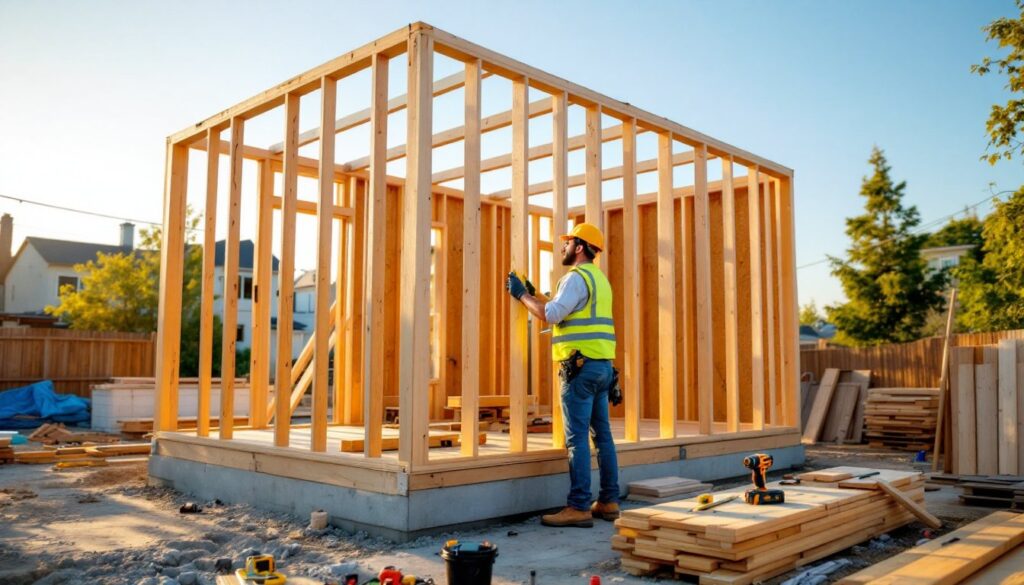
Building a tiny house has become a realistic option for homeowners seeking affordable, sustainable living or a weekend retreat. But one question stops most people before they even break ground: how long does it actually take? The answer isn’t simple. A typical tiny house build can range from 6 months to several years depending on construction method, complexity, and whether you’re hiring professionals or going the DIY route. Understanding the timeline upfront helps you set realistic expectations, budget accurately, and avoid the frustration of uncompleted projects. This guide walks you through what influences build time and what you can actually expect on the calendar.
Table of Contents
ToggleKey Takeaways
- A typical tiny house takes 6 to 18 months to build on a trailer foundation, while prefab options can compress timelines to 4 to 8 months depending on your chosen method.
- Design complexity significantly impacts construction duration—simple rectangular layouts with standard features build faster than multi-loft homes with custom cabinetry, which can add 2 to 4 weeks alone.
- Material sourcing and supply chain delays can stall projects before they start, so pre-order long-lead items like specialized panels and windows before breaking ground to avoid bottlenecks.
- DIY tiny house builds typically take 12 to 24+ months due to part-time labor constraints, while professional contractors can complete custom homes in 6 to 10 months with full crews and schedule discipline.
- Permits and inspections add 4 to 8 weeks to any timeline, so schedule code reviews early and plan for multiple inspection stages to avoid costly delays.
- A hybrid approach—hiring professionals for framing, electrical, and plumbing while handling finishing yourself—balances cost and speed, typically completing in 8 to 12 months.
Understanding Tiny House Construction Duration
Most tiny houses, typically 100 to 400 square feet, take between 6 to 18 months to complete when built on a trailer foundation. That’s the middle ground. If you’re building a foundation-based tiny home or a highly customized design, expect 12 to 24 months. If you’re buying a prefab kit or working with a builder, timelines can compress to 4 to 8 months for delivery and final assembly.
The wide range exists because “tiny house” encompasses multiple building approaches. A simple, single-story structure with standard materials and a straightforward layout will move faster than a two-loft design with integrated mechanical systems, custom cabinetry, and premium finishes. Labor availability, weather, and whether you’re waiting for permits also stretch the calendar significantly.
Small doesn’t automatically mean quick. A 200-square-foot build still requires proper framing, electrical rough-in, plumbing, HVAC, insulation, drywall, and finishing, just in a compact footprint. Skipping steps to save time on any of these creates problems down the road.
Factors That Impact Build Time
Design Complexity and Custom Features
A rectangular, open-plan tiny house with a single bathroom and kitchen builds faster than one with two lofts, multiple ceiling heights, or custom built-ins. Every extra wall, curved surface, or special detail requires additional framing, measurement, and finishing work. If your design includes a metal roof, large window arrays, or skylights, add time for special ordering and precise installation.
Custom cabinetry, particularly in tight kitchen spaces where every inch counts, can add 2 to 4 weeks alone. Standard cabinets ship faster: built-on-site cabinets demand skilled carpentry and patience. Reclaimed or specialty materials (barn wood, vintage hardware, heritage fixtures) look great but often require sourcing time and careful handling that delays the schedule.
Materials and Supply Chain Availability
Supply chain disruptions that peaked during 2020–2022 have mostly stabilized, but lead times remain real, especially for specialized items. Standard 2×6 framing lumber, oriented strand board (OSB), and common plumbing fixtures ship quickly. Specialized materials, structural insulated panels (SIPs), certain metal components, high-end windows, or tankless water heaters, can have 4 to 8 week lead times that stall your project before it even starts.
Regional availability matters. Rural areas with fewer suppliers may wait longer for delivery. Urban centers usually have stock on hand. If you’re committed to a specific material, say, reclaimed flooring or a particular window brand, factor in sourcing time before ordering anything else. Many builders now pre-order long-lead items before breaking ground to avoid bottlenecks.
Seasonal lumber availability and price fluctuations also play a role. Ordering materials in off-season (late fall or winter) sometimes secures better availability, though extreme cold weather slows construction itself.
Construction Methods and Their Timelines
Stick-frame construction (traditional lumber framing) is the most common method for DIY and custom builds. Typical timeline: 8 to 18 months. You frame walls, install rim boards, add joists, roof the structure, rough in utilities, and finish interior surfaces. This method offers flexibility and uses standard tools and skills, but every step, from foundation to final paint, occurs sequentially, which adds time.
Structural Insulated Panels (SIPs) compress the framing phase significantly. Walls and roof arrive pre-cut and insulated: assembly is faster and structural integrity is verified off-site. Timeline: 6 to 12 months. The tradeoff: less design flexibility and higher material cost. SIP homes still need full mechanical installation and interior finishing, so the time savings happen primarily during the frame-up phase.
Prefab or modular tiny houses ship mostly complete. Timeline: 3 to 6 months after delivery plus site prep and foundation work. These are the fastest option if you accept pre-designed layouts and finishes. Customization options exist but may extend timelines or increase cost significantly.
Trailer-based builds add the complexity of RV-style systems (propane, water tanks, waste holding). If you’re familiar with RV systems, this knowledge accelerates electrical and plumbing work. If not, expect a 2 to 4 week learning curve for understanding how systems integrate in a mobile structure. Modern architecture and prefab that can inform your approach.
Weather plays a major role. Cold climates make concrete curing and roofing slower. Rain delays outdoor work. Many builders schedule framing and roof-up during dry seasons, then move interior work indoors during winter. A build that spans multiple seasons naturally takes longer than one compressed into better months.
DIY vs. Professional Building
DIY Builds: If you’re doing most or all of the work yourself, expect 12 to 24+ months. You’re limited by available hours (nights and weekends for most hobbyists), learning curves on unfamiliar tasks, and the simple reality that one person can’t frame, run electrical, and plumb simultaneously. A crew of two to three committed builders working part-time might complete a basic design in 10 to 14 months. Full-time dedication (what many people do for a second-home project) can compress it to 8 to 12 months, assuming no major mistakes require rework.
DIY building requires honest assessment of skill. Framing and rough carpentry are learnable. Electrical and plumbing codes exist for safety, if you lack experience, hire a licensed electrician and plumber for those rough-ins, even if you do finish work yourself. Many jurisdictions require licensed professionals on mechanical systems anyway, so factor in scheduling and labor costs.
Professional Builds: A general contractor with a tiny-house specialty can complete a custom build in 6 to 10 months. Prefab builders or kit companies deliver even faster, 4 to 8 months total. Professionals work full crews, maintain schedule discipline, and avoid common mistakes that cause delays. The cost is higher, but time and quality control are predictable.
Hybrid Approach: Many builders hire professionals for framing, electrical, and plumbing, then handle interior finishing themselves. This balances cost and speed, typical timeline 8 to 12 months. You save labor dollars on painting, cabinetry, flooring, and trim while ensuring structural and mechanical safety.
Permits and inspections add 4 to 8 weeks to any timeline. Renovation cost guides and that account for professional labor if needed. Don’t ignore permit time: code enforcement varies widely by jurisdiction, and inspections happen at multiple stages (foundation, framing, rough utilities, final). Plan for each.
Conclusion
A tiny house typically takes 6 to 18 months to build, depending on design, method, and labor. Simple, stick-frame DIY builds with standard layouts run 10 to 14 months: prefab options compress to 4 to 8 months: complex custom projects extend to 18 to 24 months. The key is realistic planning: account for material lead times, permit schedules, and your actual available labor before committing to a date. Advanced construction techniques and energy-efficient building principles can inform your choices as you plan. Start with a clear design, verify material availability, schedule permits early, and build flexibility into your timeline for the unexpected. That upfront honesty saves frustration later.