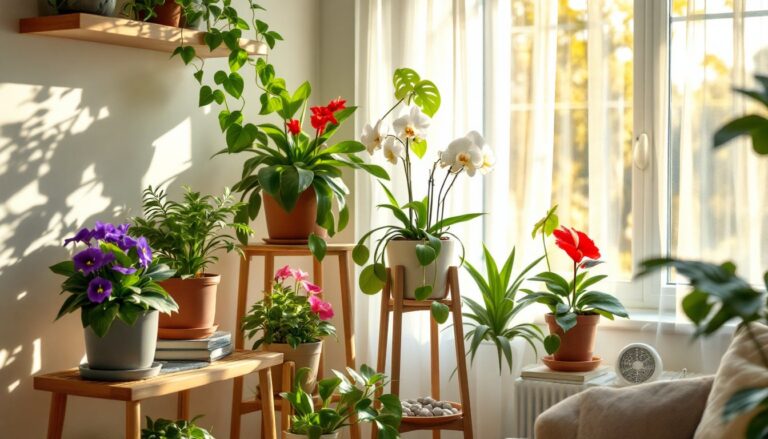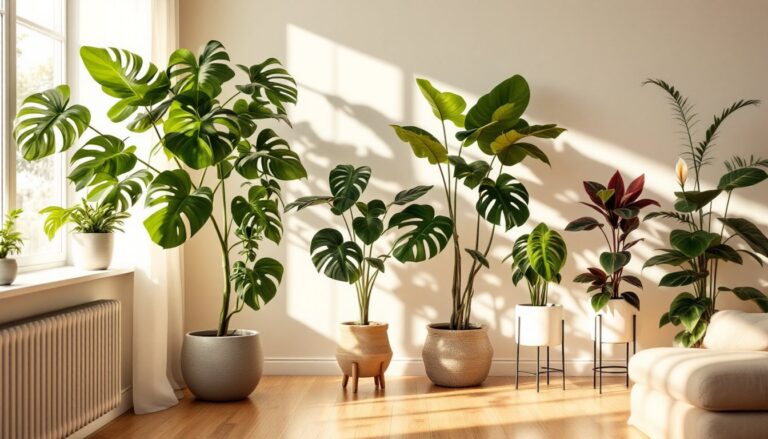
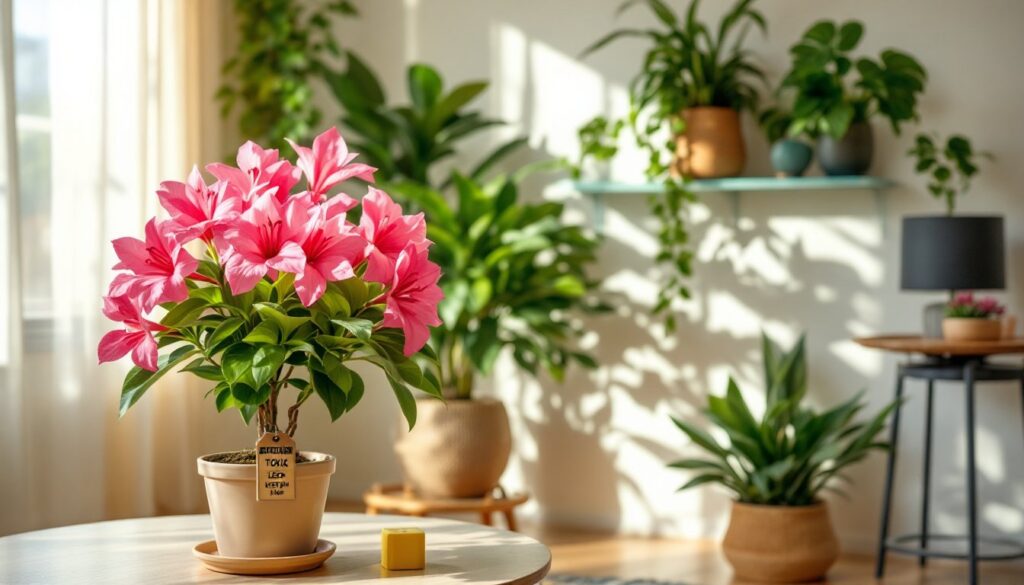
House plants brighten up any room, improve air quality, and add life to your living space, but not all greenery is created equal. Some of the most beautiful and popular houseplants can pose serious health risks to curious children and beloved pets. Before you bring that stunning philodendron or trendy oleander into your home, you need to understand which toxic house plants to avoid and why they matter. This guide walks you through the most common dangerous houseplants, their effects, and practical alternatives that let you keep your home both green and safe.
Table of Contents
ToggleKey Takeaways
- Toxic house plants like lilies, philodendrons, oleander, and dieffenbachia pose serious health risks to children and pets, with effects ranging from mouth irritation to kidney failure or heart problems.
- Spider plants, parlor palms, African violets, and succulents are beautiful, safe alternatives that thrive indoors and are completely non-toxic to kids and pets.
- Strategic placement—keeping toxic house plants on high shelves or hanging planters rather than at eye level—significantly reduces accidental poisoning risks in households with curious children and pets.
- If plant ingestion occurs, immediately contact Poison Control (1-800-222-1222) or your veterinarian; most poisonings are manageable when treated quickly within the first hour.
- Labeling dangerous plants and informing caregivers about which plants are off-limits prevents accidental exposure from babysitters, pet-sitters, or house guests.
Why Toxic Plants Matter in Your Home
Houseplants are everywhere, Instagram feeds, office lobbies, living room corners. Their popularity makes sense: they’re low-maintenance compared to outdoor gardens, they filter air, and they look good. But here’s what most people don’t realize: some of the easiest and most forgiving houseplants are also poisonous.
Toxicity in plants isn’t always obvious. A plant might look harmless but contain compounds that cause skin irritation, stomach upset, or more serious reactions. Small children and pets are especially vulnerable because they’re more likely to chew leaves, touch sap, or put plant material in their mouths. Even if ingestion is accidental, a toddler exploring, a curious cat nibbling, the results can range from minor discomfort to urgent veterinary or medical visits.
The good news? Most plant poisonings are manageable if caught early, and you have plenty of safe alternatives. Knowing which plants to avoid upfront saves you a vet trip, a hospital visit, or worse. It’s the difference between confidently decorating your home and constantly worrying about what’s on your shelves.
Common Toxic House Plants and Their Dangers
Certain houseplants show up in nearly every garden center and home decor section. They’re popular because they’re attractive and forgiving, but that accessibility means more accidental exposures happen with these species than others.
Lilies and Philodendrons
Lilies are a classic choice for bouquets and potted arrangements. True lilies (genus Lilium) are extraordinarily dangerous, especially to cats. All parts of the plant, petals, leaves, pollen, stems, are toxic. A cat licking pollen off its fur or chewing a single lily leaf can develop kidney failure within days. Dogs are less severely affected, but still vulnerable to gastrointestinal upset.
Philodendrons, those sprawling vines in nearly every dorm room and office, contain calcium oxalates. When eaten or chewed, they cause painful mouth and throat irritation, followed by swelling that can make swallowing difficult. Children often experience burning lips and drooling: pets may refuse food and show signs of distress. The symptoms are usually reversible with prompt care, but they’re uncomfortable and alarming. Popular house plants like philodendrons are everywhere, which is exactly why knowing their risks matters.
Oleander and Dieffenbachia
Oleander is deceptively pretty, delicate pink, white, or red flowers that look innocent. Don’t let that fool you. Every part of oleander contains cardiac glycosides, compounds that affect heart rhythm. Ingestion causes vomiting, diarrhea, drooling, and potentially life-threatening heart problems. This plant kills livestock and pets regularly, yet it’s still sold for home gardeners.
Dieffenbachia (sometimes called dumb cane) looks like a smaller, bushier relative of philodendron. It shares the calcium oxalate problem, same burning irritation, same swelling risk. The common name “dumb cane” comes from the fact that ingestion literally leaves people unable to speak clearly due to throat swelling. While rarely fatal in small amounts, it’s nothing you want a toddler or pet to encounter. According to guides on poisonous houseplants, oleander and dieffenbachia rank among the most serious common offenders, yet remain widely available.
Safe Alternatives for Your Living Space
The fact that some plants are toxic doesn’t mean you’re stuck with a bare, boring home. Dozens of beautiful, safe houseplants thrive indoors and handle neglect just as well as their dangerous cousins.
Spider plants are practically indestructible. They grow fast, propagate easily (you can share with friends), and are completely safe for kids and pets. They’re also surprisingly elegant when displayed in the right pot or hanging bracket.
Parlor palms bring tropical vibes without risk. They’re slower-growing than some options, but they add a real statement to a room and work well in corners where they filter light naturally. Tropical house plants don’t have to be dangerous if you choose carefully.
African violets, Boston ferns, and prayer plants round out a solid safe list. Calathea and Maranta (prayer plant) are pet-safe and come in stunning leaf patterns, reds, pinks, and variegated greens, that rival any toxic plant for visual interest.
Succulents and cacti are almost always safe (a few exceptions exist, but they’re rare). They require minimal water, handle dry indoor air, and look modern in simple planters. Haworthia, Echeveria, and jade plants are bullet-proof options.
If you absolutely love the look of a particular toxic plant, consider whether cat-safe house plants fit your style, the overlap is larger than you might think. Safer varieties of similar-looking plants often exist. For example, Areca palm mimics some toxic tropical species but is completely benign. The key is choosing consciously instead of just grabbing whatever’s on the sale shelf.
Protecting Pets and Children from Plant Toxicity
So you’ve decided which plants are coming into your home. Here’s how to manage the risk if you have kids or pets.
Height and placement matter. Young children and pets explore at their eye level and below. A philodendron on a high shelf is much safer than one on a coffee table. Hanging planters work well for trailing toxic plants, they’re out of reach and look intentional. If you have climbers in the house, secure climbing structures or remove temptation entirely.
Make space intentional. One potted plant on an unreachable shelf is low-risk. A jungle of greenery everywhere creates opportunity for accidents. Start with a few safe options and expand once you’re confident about placement and your household’s habits.
Train and supervise. Kids can learn “we look at these plants but don’t eat them.” Pets need more direct management, redirect nibbling, use barriers if needed, and remove plants if a pet shows persistent interest in chewing leaves. Some animals simply won’t touch plants: others are relentless snackers.
Know the emergency protocol. If ingestion happens, don’t panic. Call Poison Control (1-800-222-1222 in the US) immediately with details about the plant, amount ingested, and the person’s symptoms. Have your veterinarian’s number handy for pet exposures. Most plant poisonings are manageable if you act fast, the first hour counts.
Label what you have. If someone else watches your kids or pets (babysitter, dog walker, house-sitter), make sure they know which plants are off-limits. A simple label on dangerous plants prevents accidents from well-meaning guests or caretakers watering them without realizing the risk.
Conclusion
A beautiful, plant-filled home and a safe home aren’t mutually exclusive. By avoiding the most dangerous toxic houseplants, lilies, philodendrons, oleander, and dieffenbachia, and choosing proven safe alternatives instead, you get the best of both worlds. Place plants thoughtfully, supervise young children and curious pets, and know your emergency contacts. Your home will be greener, fresher, and genuinely safer for everyone in it.