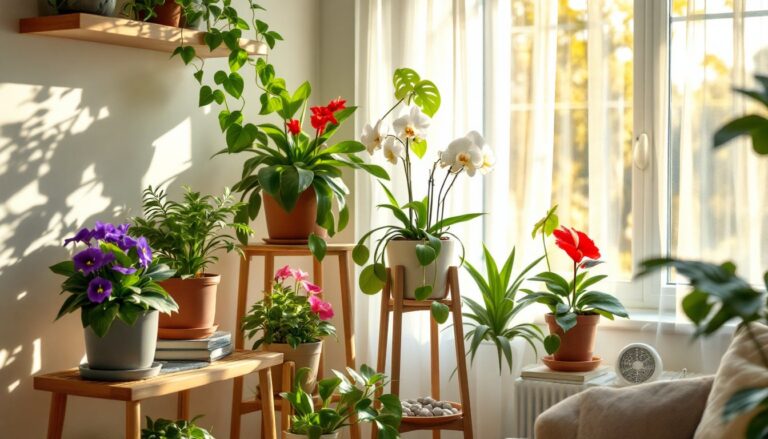
Adding plants to your home isn’t just about filling empty corners, it’s about bringing life, color, and a sense of calm into your space. The right beautiful house plants can completely shift the atmosphere of a room, turning a sterile living space into a thriving green sanctuary. Whether you’re a seasoned gardener or just starting your indoor plant journey, selecting the most visually striking varieties makes all the difference. This guide walks you through seven stunning plants that will elevate your home’s aesthetic while remaining practical to maintain. Each one brings its own personality, from bold statement leaves to delicate cascading vines, so you’ll find something that speaks to your design style and care commitment.
Table of Contents
ToggleKey Takeaways
- The most beautiful house plants like Monstera Deliciosa and Fiddle Leaf Fig can transform any room into a green sanctuary while remaining practical to maintain with proper light and watering routines.
- Trailing varieties such as Pothos are nearly bulletproof for low-light spaces and can tolerate neglect, making them ideal for beginners or busy households.
- Each plant type thrives in specific conditions: Calathea needs consistent humidity and bright indirect light, Peace Lily tolerates low light, and Snake Plants handle irregular watering and minimal care.
- Before selecting house plants, assess your home’s light conditions (north, south, east, or west-facing windows), humidity levels, and temperature stability to match plants with your living environment.
- Tall architectural plants like Fiddle Leaf Fig work best in corners or beside furniture, while trailing plants belong on shelves and patterned varieties like Calathea deserve eye-level placement to showcase their visual appeal.
- Many beautiful house plants also serve as natural air purifiers, removing toxins like formaldehyde and benzene while adding color and texture to your interior design.
Monstera Deliciosa: Bold Foliage and Statement Appeal
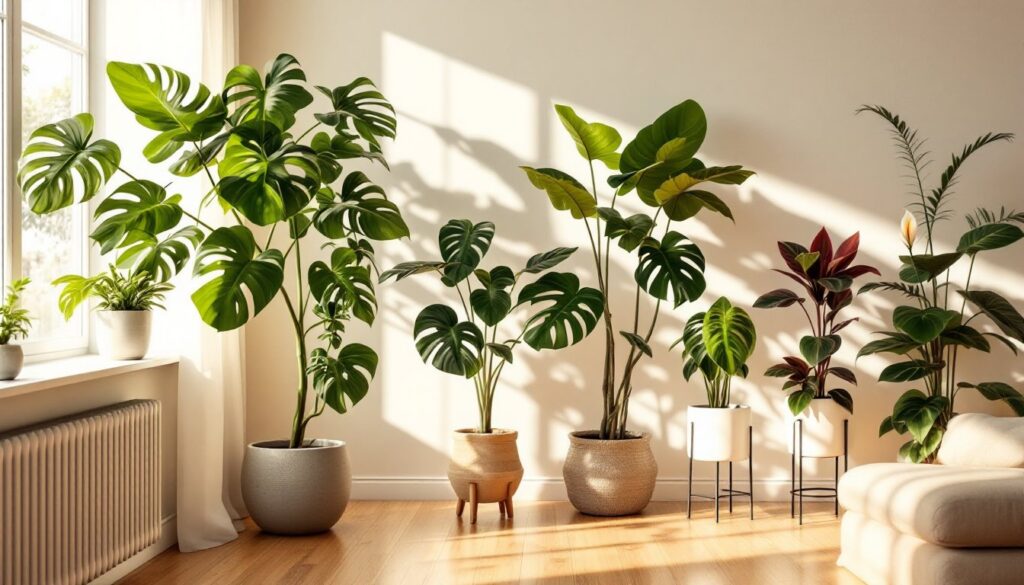
Monstera Deliciosa, often called the Swiss Cheese Plant, is the poster child of Instagram-worthy greenery, and for good reason. Those iconic split leaves (fenestration) give it an architectural quality that instantly draws the eye. Mature leaves can reach 12–18 inches across, making this plant a true room anchor once established.
This tropical stunner thrives in bright, indirect light and needs room to grow. Plan for a mature plant reaching 6–10 feet tall indoors if left unpruned, though you can keep it bushier and more compact with selective trimming. Water when the top inch of soil feels dry, overwatering is the quickest killer. Monsteras tolerate lower light but grow slower and produce fewer splits.
The beauty of Monstera is its forgiving nature. It’ll bounce back from neglect better than many plants, making it ideal if you’re not yet confident in your plant parenting. Place it near a window with filtered sun, and rotate it every month or so for even growth. Keep an eye out for spider mites, especially in dry indoor air, a gentle misting helps prevent them.
Fiddle Leaf Fig: Dramatic Height and Elegant Presence
The Fiddle Leaf Fig is drama incarnate. With large, violin-shaped leaves that can stretch to 15 inches long, this plant commands attention in any room. Its upright, columnar growth habit makes it perfect for corners, entryways, or beside furniture as a living accent piece. Many designers favor it for its sculptural, almost architectural look.
Fiddle Leaf Figs want bright, indirect light, ideally from a north or east-facing window. They’re more finicky than Monsteras and don’t appreciate being moved around constantly. Pick a spot and let it settle: excessive relocation causes leaf drop. Water when the top two inches of soil are dry, and provide well-draining potting mix to prevent root rot.
One practical tip: wipe those beautiful leaves monthly with a soft, damp cloth. Dust blocks light absorption and makes the plant look tired. If lower leaves drop, it’s usually light-related, so adjust its position closer to a window. Young plants often shed a few leaves as they adjust to your home, patience pays off. With proper placement and consistent care, you’ll have a statement piece that grows noticeably taller each year.
Pothos and Trailing Varieties: Soft Cascades for Any Room
Pothos (also sold as Devil’s Ivy) and its trailing cousins are the MVPs of low-light spaces. Heart-shaped leaves stream gracefully from hanging baskets or shelves, creating a soft, organic flow that softens hard angles in any room. The longer you let them grow, the more dramatic the effect, trailing vines can easily exceed 6 feet.
These plants are nearly bulletproof. They tolerate low to moderate indirect light and can handle neglect better than most houseplants. Water when soil feels dry to the touch, usually every 7–10 days in average conditions. During winter, they need even less. Pothos prefers regular potting soil but adapts to most conditions, it’s one reason it’s so popular.
Try pinching back stems occasionally to encourage bushier growth rather than a single long vine. You can propagate cuttings in water and either pot them up or leave them floating indefinitely. Variegated varieties like ‘Marble Queen’ and ‘Golden Pothos’ offer visual interest with cream or yellow markings. If yours gets leggy or loses color, it’s probably reaching for more light, move it a few feet closer to a window. Consider tropical house plants for more cascading options that thrive in warm, humid conditions.
Peace Lily: Graceful Blooms and Air-Purifying Benefits
The Peace Lily brings sophistication through its arching, deep-green leaves and elegant white spathes (sometimes mistaken for flowers, though the true flowers are tiny). Blooming periods can last months, providing color beyond just foliage. It’s an understated beauty that works in modern or traditional interiors alike.
Unlike many houseplants, Peace Lilies actually prefer lower light and can thrive several feet away from windows. They’re forgiving about watering, they’ll droop dramatically when thirsty, making it impossible to forget them, then perk up within hours of a drink. This “tell-don’t-ask” quality makes them popular with forgetful waterers. They also quietly remove formaldehyde and benzene from indoor air, a bonus that makes them worth the space.
Keep soil consistently moist but not waterlogged. Peace Lilies prefer warm, humid conditions, so misting foliage a few times weekly helps prevent brown leaf tips. If you notice yellowing lower leaves, that’s normal senescence, simply trim them off. Repot every 12–18 months if it outgrows its container. best house plants for more varieties that offer both beauty and air-purifying properties.
Calathea: Stunning Patterns and Intricate Leaf Design
Calathea species are for plant lovers who want living artwork. Variegated patterns, stripes, dots, or brushstroke-like markings in burgundy, pink, or silver, make each leaf feel hand-painted. They come in dozens of cultivars like ‘Orbifolia,’ ‘Medallion,’ and ‘Rattlesnake,’ each with its own unique aesthetic. These plants elevate a room purely through visual complexity.
Calatheas require more attention than the previous plants but reward consistency with stunning foliage. They want bright, indirect light (not direct sun, which bleaches patterns) and consistently moist (not soggy) soil. Humidity is essential, these tropical natives appreciate misting or a nearby humidifier. Low humidity causes brown leaf edges, a cosmetic but frustrating issue.
Water with filtered or distilled water if possible: minerals in tap water can brown leaf tips over time. Let them rest slightly in winter with reduced watering. Calatheas have a reputation for being “fussy,” but that reputation comes from people placing them in low-light, dry corners. Position one near a bright window (filtered by a sheer curtain) in a humid bathroom or kitchen, and you’ll understand why plant collectors adore them. The effort pays dividends in visual impact.
Snake Plant: Modern Geometry and Low-Maintenance Style
Snake Plants are minimalist sculpture. Tall, geometric leaves in shades of green, gray, or variegated yellow create clean lines that fit seamlessly into contemporary or industrial interiors. Also called Sansevierias, they’re nearly indestructible, a quality that makes them perfect for offices, bedrooms, or anywhere you want impact without fuss.
Snake Plants tolerate low light and irregular watering. In fact, overwatering is their primary enemy. Water sparingly, every 3–4 weeks or even less in winter. They prefer to dry out completely between waterings. Use well-draining cactus or succulent soil to reduce rot risk. These plants can go weeks without attention, making them travel-proof.
Beyond looks, they’re among the best air purifiers houseplants offer, filtering toxins from indoor air. Varieties range from dwarf ‘Hahnii’ (compact, mound-shaped) to tall ‘Laurentii’ (up to 4 feet with yellow edges). They’re also slow-growing, so you won’t need frequent repotting. The trade-off is minimal: you get a striking visual focal point that asks almost nothing in return. For more popular house plants combining style and durability, consider pairing your Snake Plant with another low-maintenance variety.
How to Choose and Display Beautiful House Plants
Selecting the right plant isn’t just about what looks good, it’s about matching the plant’s needs to your home’s conditions and your lifestyle. Start by honestly assessing light. North-facing windows offer low, consistent light: south-facing gives intense, direct sun. East and west face medium conditions. Check how many hours of bright light different rooms receive. Monsteras and Fiddle Leaf Figs need bright, indirect light: Pothos and Peace Lilies tolerate low light. Snake Plants handle almost anything.
Consider humidity and temperature stability. Calatheas and tropical plants like consistent warmth and humidity: Snake Plants thrive in drier, cooler conditions. If your home has forced-air heating that dries air significantly, group moisture-loving plants together or place them in kitchens and bathrooms where humidity naturally rises.
Display matters as much as selection. Tall plants like Fiddle Leaf Fig anchor corners or dead wall space. Trailing plants like Pothos belong on shelves or hanging baskets where vines can cascade without obstruction. Large-leaved specimens like Monstera become architectural features, give them floor space and breathing room. Patterned plants like Calathea deserve eye-level placement where viewers can appreciate intricate markings: burying them in corners wastes their visual potential.
Practical placement also means thinking about pet safety and room function. Pothos and Philodendron are toxic to cats: if you’re cat-adjacent, explore cat safe house plants instead. Keep plants away from heating vents and cold drafts. Ensure you have accessibility for watering and occasional leaf wiping, a plant that’s beautiful but awkward to tend often gets neglected. Finally, begin with common house plants if you’re new to houseplants, then expand to more demanding varieties as confidence builds. Even seasoned growers at The Spruce recommend starting simple and scaling up, and reputable sources like Better Homes & Gardens confirm that beginner-friendly plants often deliver the best visual returns.