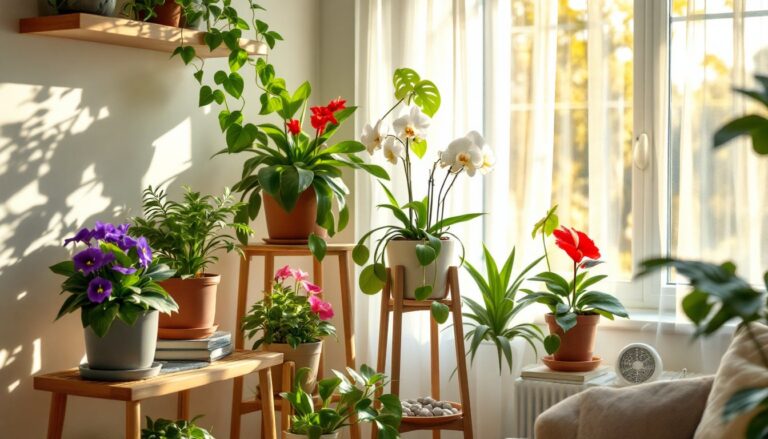
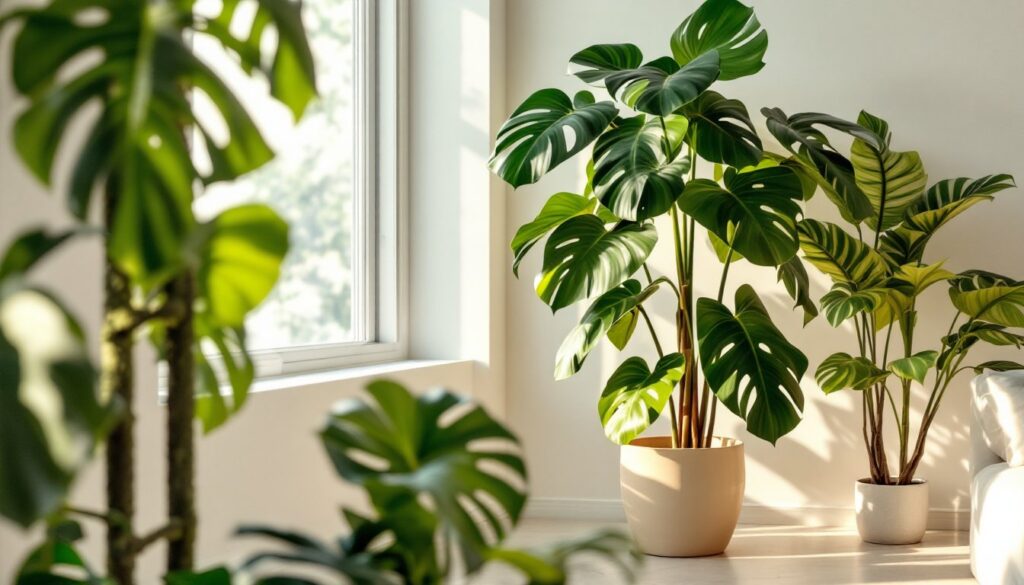
Large house plants aren’t just decorative, they’re living investments that transform your space while actively improving air quality. Whether you’re outfitting a sunlit corner, filling a blank wall, or creating a living backdrop for your furniture, these plants bring height, drama, and greenery that smaller specimens simply can’t match. Unlike their compact cousins, statement plants command attention and create an instant sense of maturity in a room. But choosing the right large plant means understanding light conditions, humidity needs, and your own commitment level. This guide walks you through the seven best large house plants for 2026, plus the practical know-how to keep them thriving.
Table of Contents
ToggleKey Takeaways
- Large house plants improve indoor air quality by filtering VOCs and increasing oxygen while adding dramatic vertical design impact without cluttering floor space.
- Fiddle leaf figs are stunning statement plants but require bright indirect light, consistent humidity around 50%, and careful watering to avoid their main killer: overwatering.
- Monstera deliciosa is the forgiving alternative, tolerating varied light conditions and appreciating a moss pole for natural climbing support while developing signature split leaves.
- Snake plants and bird of paradise are low-maintenance giants perfect for beginners, thriving in various light conditions and tolerating occasional neglect.
- Success with large plants depends on honest assessment of your light, humidity, and space, using quality drainage-friendly soil, and the golden rule: water when soil is dry, never sit plants in standing water.
- Rotating plants weekly and dusting leaves monthly prevents pest problems and ensures even, healthy growth across all sides of the specimen.
Why Large Plants Are Essential for Home Decor and Indoor Air Quality
Large plants serve double duty: they anchor a room’s aesthetic while genuinely improving the air you breathe. Plants absorb carbon dioxide and release oxygen during photosynthesis. They also filter volatile organic compounds (VOCs) from indoor air, a real benefit in homes with off-gassing furniture, paint, or cleaning products. A single mature plant can noticeably improve air circulation in a medium-sized room.
From a design perspective, big plants fill vertical space without cluttering floor area, making even small rooms feel more intentional and grown-up. They soften hard lines from furniture and architecture. They also draw the eye upward, which can make ceilings feel higher. For homeowners, large specimens eliminate the need for fussy groupings of small plants: one show-stopping plant often does more work than five 6-inch pots.
The confidence boost matters too. When you see a thriving 5-foot plant you’ve nurtured for months, it builds momentum for tackling other projects around the house. It’s no wonder best large house plants have become the go-to choice for anyone serious about indoor greenery.
The Fiddle Leaf Fig: A Statement Plant for Modern Homes
The Ficus lyrata, or fiddle leaf fig, owns its reputation as a showstopper. Its large, violin-shaped leaves (typically 12–18 inches long) are unmistakable, and the plant naturally grows 6–10 feet indoors with proper care. It’s become the plant of choice for minimalist interiors and modern lofts. But here’s the truth: fiddle leaf figs are dramatic precisely because they’re temperamental. They demand bright, indirect light, a north-facing window won’t cut it. They also hate being moved: rotating the pot suddenly can trigger leaf drop.
Fiddle leaf figs prefer warm, stable environments with humidity around 50%. They need well-draining soil (use a mix of 2 parts peat moss, 1 part perlite, and 1 part potting soil). Overwatering is the number-one killer. Water only when the top inch of soil is dry, and ensure the pot has drainage holes. In winter, reduce watering by half. Dust the leaves monthly with a soft cloth, those large surfaces accumulate dust, which blocks light absorption.
Fiddle leaf figs also benefit from fertilizing during the growing season (spring and summer). Use a balanced, water-soluble fertilizer monthly. If your plant drops leaves or develops brown spots, check for cold drafts, inconsistent watering, or low light first. Most problems trace back to environment, not disease.
Caring for Your Fiddle Leaf Fig
Success with fiddle leaf figs boils down to consistency. Place your plant in a bright spot with indirect light, within a few feet of an east- or west-facing window is ideal. Water when the soil’s top inch feels dry (stick your finger in to check). Mist the leaves weekly or set the pot on a pebble tray filled with water to boost humidity. Fertilize monthly during spring and summer. Rotate the plant only if absolutely necessary: if you must move it, do so gradually to avoid shock. Most homeowners find their fiddle leaf fig settles into a routine within 3–4 weeks.
Monstera Deliciosa: The Classic Choice for Bold Foliage
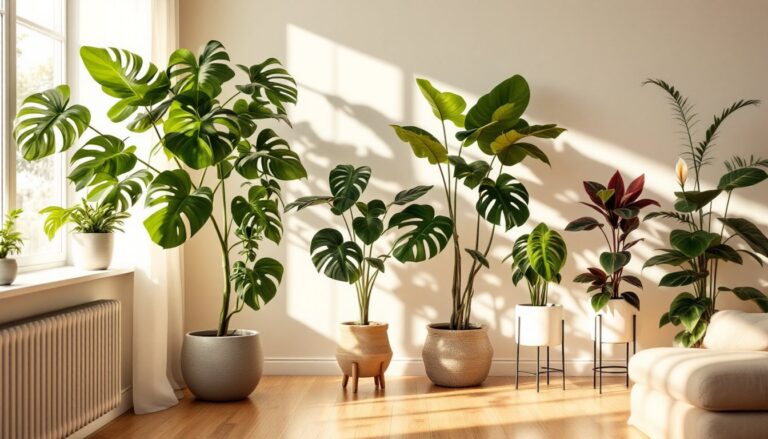
The Monstera deliciosa, or Swiss cheese plant, is practically the houseplant hero of recent years. Its signature split, fenestrated leaves (those characteristic holes) make it instantly recognizable. A mature Monstera can reach 6–8 feet indoors and actually grow wider, so give it space. Unlike the fiddle leaf fig, Monsteras are forgiving. They tolerate a range of light conditions, though they’ll develop more dramatic splits in bright, indirect light. In lower light, they’ll still grow, just more slowly.
Monsteras are climbers naturally: in their native rainforest habitat, they cling to trees. Indoors, they appreciate a moss pole or trellis for support, and they’ll send out aerial roots that can attach to it. These roots aren’t parasitic: they’re the plant’s way of anchoring itself upward. You can also tuck them back into the soil or leave them exposed for a more sculptural look.
Water a Monstera when the top 2 inches of soil feel dry. They’re less fussy than fiddle leaf figs about humidity but still appreciate misting or a pebble tray. Use well-draining potting soil. Fertilize during the growing season (April–September) with a balanced fertilizer every 4–6 weeks. Monstera leaves accumulate dust readily, so wipe them gently every month. The plant responds well to pruning: cutting above a node (the bumpy point where leaves attach) encourages bushier growth. Tropical house plants like the Monstera also purify indoor air and adapt to various home styles, making them reliably popular.
Snake Plants and Bird of Paradise: Low-Maintenance Giants
If you’re convinced you’ll kill anything you grow, meet the Sansevieria (snake plant) and Strelitzia reginae (bird of paradise). These are the plants that laugh at neglect.
Snake plants (also called mother-in-law’s tongue) grow upright with stiff, sword-like leaves that can reach 3–4 feet in height. They thrive in virtually any light, from dark corners to bright windows. They’re succulent-like, storing water in their leaves, so they actually prefer to dry out between waterings. Water every 2–3 weeks: in winter, every 3–4 weeks is fine. They tolerate temperature fluctuations and low humidity. Use cactus or succulent potting soil to ensure drainage. Snake plants purify air by removing formaldehyde and benzene, making them particularly useful in home offices. They’re also nearly impossible to over-care for, making them perfect first-large-plants.
The bird of paradise is showier but still surprisingly easygoing. Its large, paddle-shaped leaves resemble banana foliage, and it grows 4–6 feet tall indoors. It produces stunning orange-and-blue flowers that look like tropical birds in flight, hence the name. Bird of paradise needs bright light (at least 6 hours daily) and warm temperatures to flower indoors, but it doesn’t fret over humidity. Water when the top inch of soil is dry. It appreciates a balanced fertilizer during the growing season. Unlike the fiddle leaf fig, bird of paradise handles occasional neglect and even some cold better. Easy house plants like these two give homeowners confidence before moving on to finickier specimens.
Practical Tips for Selecting and Growing Large House Plants
Before you buy a large plant, audit your space. How much light does your room actually get? Be honest, “bright room” to a plant means at least 3–4 hours of direct or 6+ hours of bright indirect light. Measure your ceiling height and available floor space. A 6-foot plant in an 8-foot room with low ceilings will feel cramped. Consider humidity too. Kitchens and bathrooms naturally stay more humid: bedrooms and heated living rooms in winter become arid.
Choose your pot carefully. Large plants need weight to stay stable: ceramic pots are heavier than plastic and resist tipping. The pot should have drainage holes, there’s no workaround on this. Use quality potting soil, not garden soil from your yard. Garden soil compacts in containers and inhibits drainage, causing root rot. For large specimens, invest in bags of either all-purpose potting mix or specialized blends (orchid bark for epiphytes, cactus mix for succulents).
Water properly, not frequently. This is where most people fail. Overwatering kills more houseplants than underwatering. Stick your finger 2 inches into the soil: if it feels moist, wait. If it’s bone-dry, water thoroughly until it drains from the bottom, then empty the saucer. Never let a plant sit in standing water. In cooler months, plants need less water because they’re not actively growing.
Rotate your plant a quarter-turn weekly so all sides receive even light. This prevents lopsided growth. Dust leaves monthly with a soft, damp cloth or a soft-bristled brush. This sounds tedious, but dusty leaves absorb less light and attract spider mites. Inspect the undersides of leaves periodically for pests: indoor plants rarely get bugs, but it happens. If you spot spider mites or mealybugs, isolate the plant and treat with neem oil or insecticidal soap. Popular house plants benefit from annual repotting in spring, moving up to a pot only 1–2 inches larger than the current one.
Conclusion
Large house plants are attainable, you don’t need a greenhouse or a green thumb, just realistic expectations and a willingness to learn. Start with the right plant for your light and patience level. Snake plants and Monsteras for the forgiving route: fiddle leaf figs and bird of paradise for the committed. Water when soil is dry, provide adequate light, and resist the urge to fuss. Over the next few months, watch your plant settle in and thrive. That’s the real reward of growing large plants indoors.