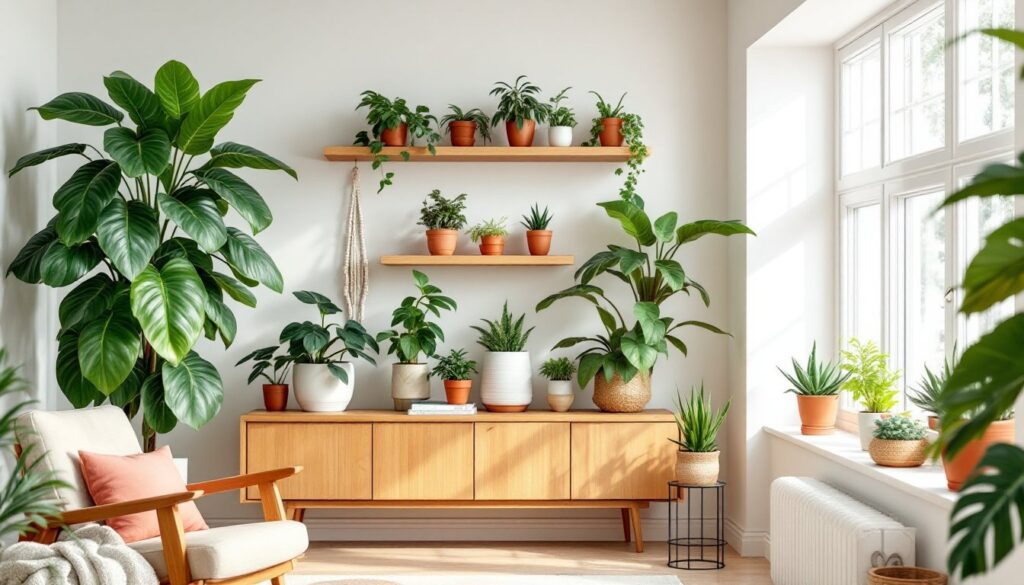
Indoor plants have stopped being a trend and become a practical decorating essential. Whether you’re furnishing a bright south-facing window or a dimly lit corner, plants bring life, improve air quality, and add texture that no poster can match. Unlike static wall decor, living plants create a dynamic environment that evolves with the seasons. This guide walks you through selecting the right plants for your space, displaying them effectively, and keeping them healthy without fussing.
Table of Contents
ToggleKey Takeaways
- Indoor plants decor combines practical benefits with aesthetics—they improve air quality, reduce stress, and add natural texture that evolves with the seasons unlike static wall art.
- Match sunlight availability to plant type: low-light spaces suit pothos and snake plants, while bright windows reward succulents, ficus trees, and monsteras for maximum visual impact.
- Master watering by letting soil dry between waterings; overwatering is the leading cause of plant death, so check soil moisture with your finger before adding water.
- Display indoor plants strategically using floating shelves at varying heights, tiered stands, and hanging planters to create visual rhythm and maximize vertical space.
- Ensure every pot has drainage holes and use a drainage saucer to prevent root rot—the most critical rule for keeping plants healthy long-term.
- Start with low-maintenance houseplants like pothos or snake plants ($8–$20) to build confidence, then expand your collection as you develop intuition for your space.
Why Indoor Plants Are the Secret to Modern Home Design
Plants do something your paint color and furniture can’t: they grow and respond to your space. A thriving monstera or trailing pothos becomes a conversation starter because it’s actually alive. Beyond aesthetics, studies show indoor plants reduce stress and boost mood. They also filter dust and carbon dioxide from the air, not dramatically, but measurably.
From a design perspective, plants add scale, layering, and visual interest that works in any style. A single fiddle leaf fig in a corner breaks up blank walls. Clustered small plants on a shelf create a living gallery. Hanging plants soften harsh architectural lines. Unlike wall decor you swap out annually, plants mature and fill spaces in natural, unpredictable ways. That’s what makes them feel current even in 2026.
Choosing the Right Plants for Your Space and Lifestyle
Sunlight is your first constraint. Before buying anything, observe your room for a few days. Notice which windows face north, south, east, or west. South and west windows get intense afternoon light: north windows stay dim most of the day. East windows offer gentle morning sun.
Your lifestyle matters too. If you travel frequently or forget to water, low-maintenance plants are non-negotiable. If you work from home and enjoy routine, you can handle plants that want consistent moisture and attention.
Best Low-Light Plants for Indoor Spaces
Low-light rooms aren’t plant deserts, many houseplants evolved in rainforest understories where sunlight barely penetrates. A pothos is the DIYer’s plant: it tolerates neglect, prefers indirect light, and propagates from cuttings thrown in water. Snake plants (Sansevieria) are even more forgiving: they thrive on irregular watering and low light. Both purify indoor air and cost $8–$20 for a rooted cutting.
Philodendrons are similar to pothos but with larger, sturdier leaves. ZZ plants develop a glossy sheen and adapt to very dim spaces. For something with personality, try Peace lilies, they’re semi-dramatic and wilt noticeably when thirsty, so you’ll never kill them by guessing. These mid-to-low light champions work in bathrooms, offices, and bedrooms without supplemental grow lights.
High-Light Plants That Thrive in Bright Rooms
Windows with direct sun reward bolder choices. Succulents, echeveria, aloe, jade plants, store water and need minimal fussing. They prefer drying out between waterings and often rot if overwatered. Cacti are even stricter about drainage: use a potting mix with added perlite or sand.
For foliage, ficus trees (fiddle leaf fig, weeping fig) and rubber plants reach statement-piece size in bright, indirect light. Monstera deliciosa produces those iconic split leaves in moderate to bright light. Calatheas and Marantas offer dramatic patterns and thrive in bright, filtered light rather than harsh direct sun. These are technically low-light tolerant but color-up more vibrantly with brighter conditions.
Popular House Plants: Transform your space by matching light availability to plant needs, it’s the foundation of success.
Creative Display Ideas to Maximize Your Plant Decor
Displaying plants is as important as choosing them. A single large plant anchors a corner: massed small plants create visual rhythm. Think of plants like furniture, they occupy vertical and horizontal space.
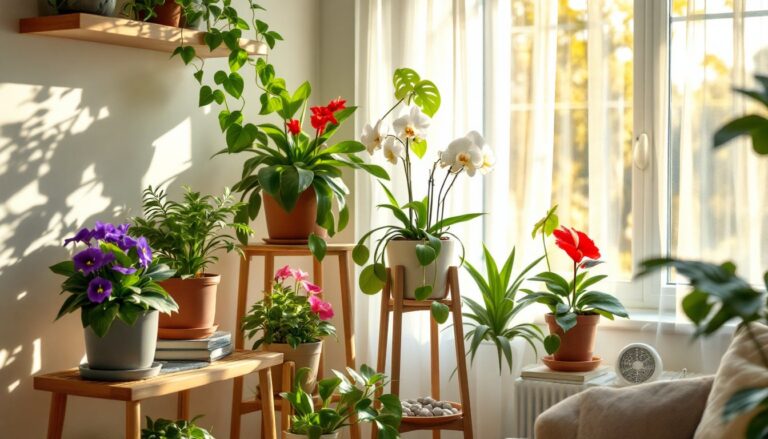
Shelving and Stands: Floating shelves at varying heights draw the eye up and make narrow rooms feel taller. Tiered plant stands (metal or wood) cluster pots without eating floor space. Ladder-style shelves work in corners or against walls. Arrange plants in odd numbers (three, five, seven) and alternate heights: it reads more intentional than perfectly symmetrical rows.
Hanging Plants: Ceiling hooks with macramé hangers or simple chains suspend trailing plants like pothos, string of pearls, or philodendrons at eye level or above. This frees floor space and draws attention upward. Use sturdy ceiling anchors rated for 20+ pounds if your pot-and-soil combo is heavy. Rotate hanging plants quarterly so one side doesn’t get weak from always facing away from light.
Grouping by Material: Mix terracotta (warm, porous), ceramic (colorful, holds moisture longer), and concrete or fabric pots. White or neutral pots recede visually and let foliage shine. Terracotta suits succulents: glazed ceramic works with moisture-loving plants like Peace lilies. Fabric grow pots improve drainage and suit beginners.
Window Sills and Ledges: Your brightest real estate. Arrange small pots in staggered heights and leave breathing room so light reaches all of them. Avoid crowding: air circulation prevents fungal issues.
For decor inspiration, resources like The Spruce show how designers combine plants with lighting and furniture to transform whole rooms. Best Indoor Plants curates styling ideas alongside care details.
Essential Plant Care Tips for Beginners
Watering is the biggest killer. Most DIYers overwater. Soil should dry between waterings, not bone-dry for days, but not soggy. Stick your finger 1 inch into soil. If it feels moist, wait. If it’s dry, water until it drains from the bottom. Empty saucers after 10 minutes so roots don’t sit in water. Succulents and cacti need even longer drying periods: water every 2–3 weeks in winter and only when soil is completely dry.
Drainage is non-negotiable. Every pot needs drainage holes. If you love a pot without holes, use it as a decorative cover and nestle a draining pot inside. Waterlogged roots lead to rot, which kills plants faster than drought.
Light indoors changes seasonally. South-facing windows are brighter in winter when trees are bare: north windows stay dim year-round. Move plants closer to windows in winter and back in summer if they start fading or stretching (getting leggy).
Humidity matters, but not obsessively. Most homes sit at 30–50% humidity: tropical plants prefer 60%+. Group plants together (they transpire and create local humidity), mist leaves occasionally, or set pots on pebble trays with a bit of water below. Don’t obsess, plants adapt to normal indoor humidity better than people expect.
Fertilizer feeds growth. During growing season (spring and summer), a diluted liquid fertilizer every 2–4 weeks supports new leaves. In winter, most plants slow down: skip fertilizer. Slow-release pellets work too: follow package rates.
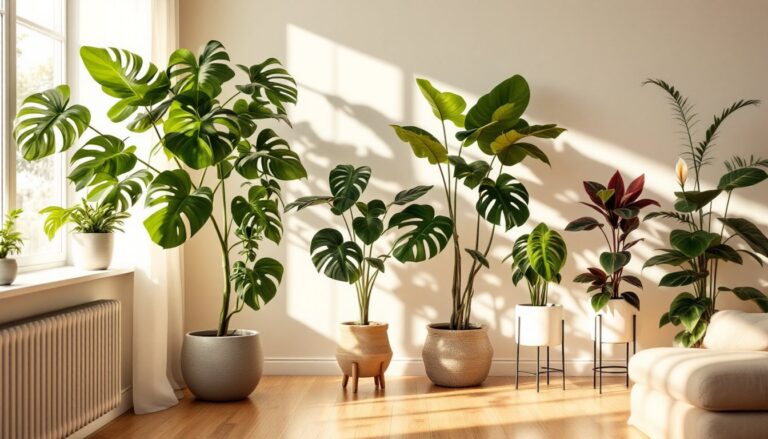
Dust accumulates on leaves. Wipe smooth-leaved plants (fiddle leaf fig, rubber plant, monstera) with a soft, damp cloth quarterly. This improves photosynthesis and keeps them looking sharp. Large House Plants: Transform your space with proper maintenance, clean foliage shows off those dramatic forms.
Repot every 1–2 years if the plant outgrows its pot (roots poke through drainage holes or circle the soil ball). Spring is ideal. Go up one pot size (if current is 6 inches, move to 8 inches). Use fresh potting mix, not garden soil. Gently loosen the root ball, nestle it into new soil, water well, and let it settle for a week before fertilizing.
Pests are rare indoors but possible. Spider mites, mealybugs, and scale appear if humidity drops too low or air circulation stalls. Isolate affected plants and spray with insecticidal soap or neem oil per label instructions. Most respond quickly if caught early.
Conclusion
Indoor plants are living decor that reward minimal effort with maximum impact. Start with tough, forgiving plants like pothos or snake plants to build confidence. Match light to species, water when soil is dry, ensure drainage, and you’ll succeed. Cluster plants on shelves, hang trailers from ceilings, or anchor corners with statement pieces. As your collection grows, you’ll develop intuition about what thrives where. Indoor House Plants: Transform your home into a space you actually want to be in. That’s the real design goal.