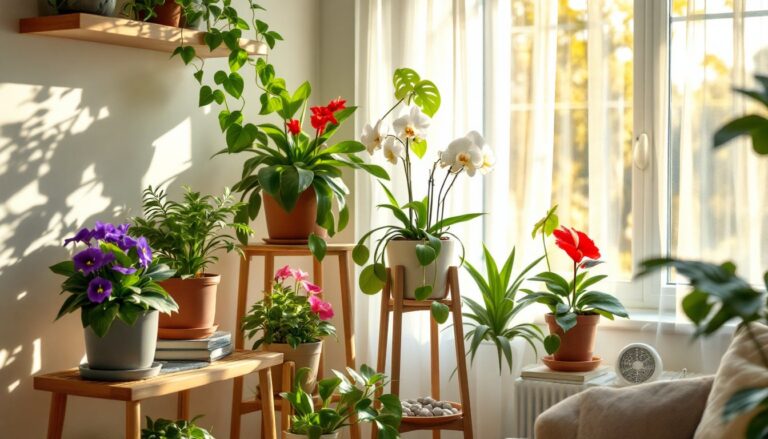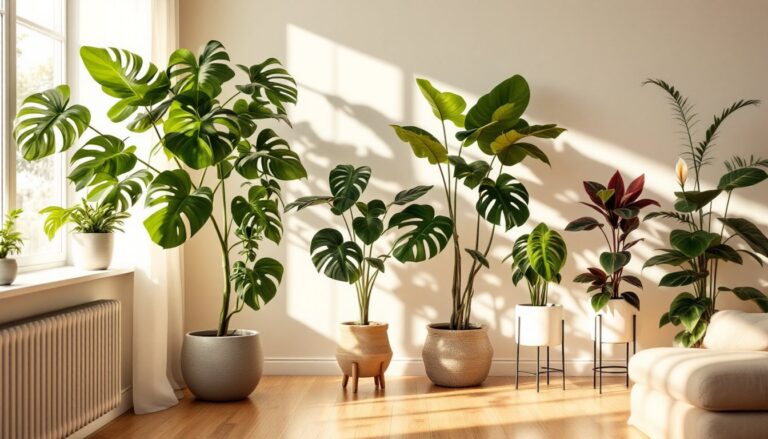
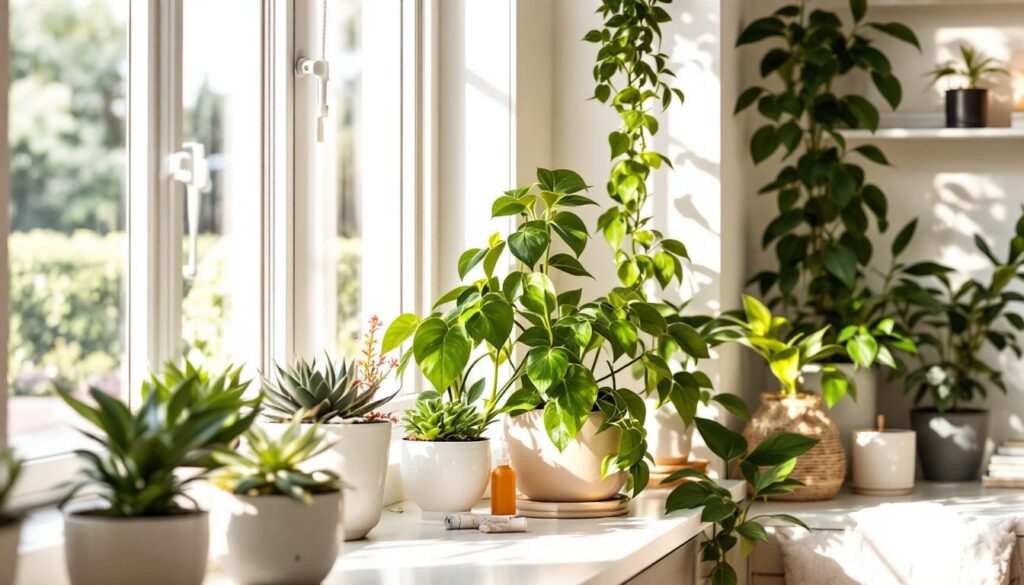
Building a green home doesn’t require a hefty budget or a gardening degree. IKEA indoor plants offer homeowners an accessible entry point into plant parenthood, with species suited to every room and light condition. From sun-soaked kitchens to shadowy bedrooms, IKEA stocks living plants that thrive indoors while keeping costs low. Whether you’re furnishing your first apartment or expanding an existing collection, understanding which IKEA plants work best for your space, and how to keep them alive, makes all the difference. This guide walks you through selecting, placing, and caring for affordable IKEA indoor plants that’ll green up your home without the premium price tag.
Table of Contents
ToggleKey Takeaways
- IKEA indoor plants offer budget-friendly, pre-acclimated specimens between $8 and $25 that are already adapted to indoor living, eliminating greenhouse adjustment stress.
- Select low-light varieties like snake plants and pothos for bedrooms and bathrooms, and bright-light plants like succulents and ficus for sun-filled living rooms and kitchens.
- Always choose pots with drainage holes and step up 1–2 inches in diameter to prevent root rot and water-logging, which are the leading causes of plant failure.
- Overwatering is the most common mistake—check soil moisture by inserting a finger one inch deep, and water only when it feels dry to prevent yellowing leaves and root issues.
- Rotate plants weekly, mist leaves every few days, and reduce watering in winter to maintain even growth and prevent one-sided, leggy plants.
- Start small with one low-light and one bright-light IKEA plant, then expand your collection as you gain confidence in caring for affordable, thriving indoor greenery.
Why Choose IKEA for Your Indoor Plant Collection
IKEA’s plant selection hits a sweet spot for DIY homeowners: genuinely healthy specimens at impulse-buy prices. Most IKEA plants cost between $8 and $25, making it realistic to outfit multiple rooms without guilt. The Swedish furniture giant sources varieties specifically chosen for indoor survival, meaning they’re bred and grown to handle lower light and inconsistent watering that typical homes deliver.
Beyond price, IKEA’s plant inventory rotates seasonally, so you’ll find fresh stock year-round. Staff typically maintains plants in-store with water and light, so what you buy is already acclimated to indoor life. When you bring an IKEA plant home, it’s not adjusting from a greenhouse, it’s already been living indoors.
One practical advantage: IKEA nurseries are predictable. You know what you’re getting, the pot sizing is standard, and you’ll find consistent care tags. Unlike big-box garden centers where plants might’ve been neglected, IKEA’s turnover and standardized care mean healthier starting specimens. This matters. A thriving plant from day one requires far less troubleshooting than nursing a stressed plant back to health.
Top IKEA Indoor Plant Varieties and Where to Place Them
Low-Light Options for Bedrooms and Bathrooms
Not every room gets direct sun, and that’s okay. IKEA stocks several shade-tolerant species perfect for bedrooms, bathrooms, and interior hallways. Sansevieria (also called snake plant) is nearly indestructible, it tolerates low light, irregular watering, and cold drafts. It grows slowly, so one snake plant can occupy the same corner for years with minimal fuss. Place one on a nightstand or bathroom shelf: it’ll purify air while you sleep.
Pothos is another low-light workhorse. This trailing vine adapts to whatever light your bathroom or bedroom gets, and it’s forgiving about watering schedules. Drape it along a shelf or let it cascade from a bathroom sink cabinet. It’s nearly impossible to kill, making it ideal if you’re new to plants.
Parlor Palm (Chamaedorea) brings tropical flair to dim corners. It grows taller than pothos or snake plant, so it’s good for filling vertical space in a bedroom corner. Water it when the soil surface feels dry: it doesn’t demand much. Studies from The Spruce consistently show parlor palms among the easiest tropical plants for indoor living.
Zhuzh factor: Low-light plants won’t deliver the lush, vibrant growth of sun-worshippers, but their steady, slow growth feels less demanding. Place one on a dresser or windowsill with sheer curtains for ambient light without direct heat.
Bright-Light Plants for Living Rooms and Kitchens
Rooms with south-facing or west-facing windows get the light-hungry species. Succulents, especially echeveria and jade plants, thrive in IKEA’s lineup. They store water in their leaves, so they’re forgiving when you forget to water. Place them on a sunny kitchen windowsill or bright living room shelf. Rotate them every two weeks so they don’t lean toward the window.
Ficus varieties handle bright indirect light beautifully. The Ficus lyrata (fiddle leaf fig) is trendy and dramatic, but the smaller Ficus benjamina (weeping fig) is more forgiving. Both clean air and add visual weight to a living room corner. IKEA typically stocks a ficus option year-round. Water when the top inch of soil is dry: don’t overwater.
Peperomia is compact and happy in bright conditions. Its thick, textured leaves add visual interest without taking up much space, ideal for kitchen counters or living room shelving. Water moderately: the soil should dry slightly between waterings.
Money plant (Epipremnum) trails beautifully and adapts to bright light without bleaching. Hang it above a kitchen window or let it trail along a bookshelf. It’s not as shade-tolerant as pothos, but it’ll still survive dim corners if needed.
For popular house plants that work in bright rooms, IKEA’s selection leans heavily on easy growers that reward consistent light without fussiness.
Essential IKEA Planters and Pots for Healthy Growth
The pot matters more than most beginners realize. IKEA planters come in ceramic, plastic, and concrete finishes, ranging from $3 to $15. The golden rule: drainage holes are non-negotiable. A pot without drainage traps water at the roots, causing rot within weeks. IKEA’s basic ceramic pots and white plastic nursery pots all include drainage holes. If you fall for a decorative planter without drainage, nest your IKEA plant (in its nursery pot) inside as a cache pot, the inner pot drains, and the outer pot looks polished.
Size matters too. A pot should be 1–2 inches larger in diameter than the plant’s root ball. Too large, and soil stays wet too long. Too small, and roots circle endlessly. Most IKEA plants ship in sizes 4–6 inches in diameter: stepping up to a 6–8 inch pot gives room for a year’s growth without waste.
Material considerations: Ceramic pots breathe, drying soil faster, good for overwatering-prone folks. Plastic dries slower and is lightweight, ideal for tall plants where stability matters. Concrete looks sculptural but is heavy. Your choice depends on your plant’s water needs and your space’s aesthetics. IKEA’s planters are affordable enough to experiment: buy a couple of options and see what fits your routine.
If you’re potting plants into IKEA ceramics, grab a bag of potting soil (IKEA sells this too). Don’t skimp and use garden soil: it compacts indoors. Potting mix is lighter, drains better, and costs less than repotting plants that get root-bound.
Simple Care Tips to Keep Your IKEA Plants Thriving
Most IKEA plants fail from overwatering, not neglect. The soil surface dries to the touch, but lower soil stays damp, water only when the top inch feels dry. Stick a finger into the soil: if it comes out moist, wait another few days. Once a week is common, but every plant’s different. Humidity matters too: mist leaf surfaces every few days, especially in winter when furnace heat dries air. Bathrooms naturally stay humid, which benefits most indoor plants.
Light rotation keeps growth even. If a plant sits in a corner facing one direction, it leans toward the light source. Spin it 180 degrees weekly (or monthly for slower growers). This simple habit prevents one-sided, leggy plants.
Seasonal adjustments are crucial. In winter, plants grow slower, so water less frequently. Dust-covered leaves block light absorption, wipe them gently with a soft cloth monthly. As new growth emerges in spring, feed with diluted liquid fertilizer every 2–3 weeks. IKEA sells plant fertilizer in small bottles: a little goes a long way.
Common fixes: Yellowing leaves often signal overwatering or poor drainage. Brown leaf tips mean low humidity or mineral buildup in tap water, switch to filtered water if possible. Pale growth in bright windows means the plant needs shade cloth or a step back from the sill. Indoor house plants respond quickly to adjustments: small changes in light, water, or humidity usually fix problems within weeks.
Pest watch: Indoor plants attract spider mites or mealybugs occasionally. Isolate affected plants, spray with a diluted neem oil solution, and monitor for two weeks. IKEA plants are typically pest-free when purchased: early action keeps problems small.
If your home has pets, check care tags and reference cat safe house plants to ensure your choices aren’t toxic. Many IKEA plants are pet-friendly, but some (like certain philodendrons) contain compounds harmful to cats and dogs, the tag will note this.
Conclusion
IKEA indoor plants democratize greenery. By choosing the right species for your light conditions, using draining pots, and sticking to simple watering and light-rotation routines, you’ll build a thriving collection without guesswork. Start small, pick one low-light plant and one bright-light plant, and expand as your confidence grows. The learning curve is shallow, the cost is minimal, and the payoff is real: a greener, fresher-smelling home that feels alive. Visit IKEA’s plant section and let the care tags guide you toward varieties suited to your space. Your indoor garden awaits.