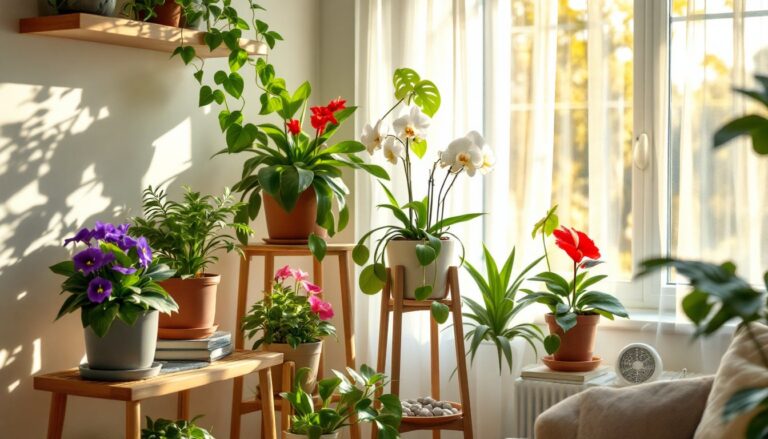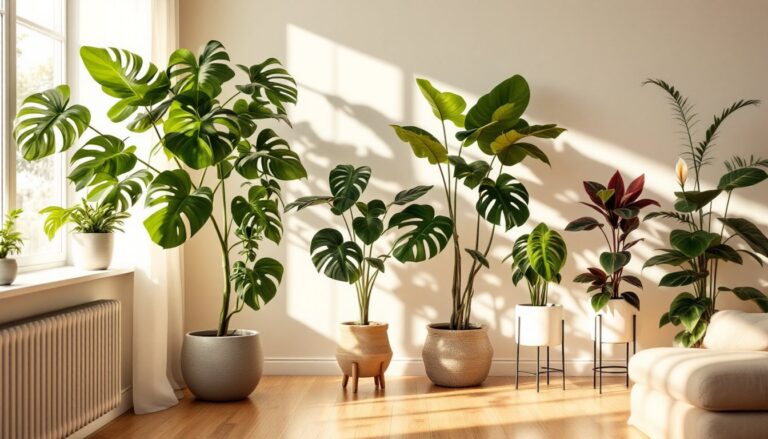
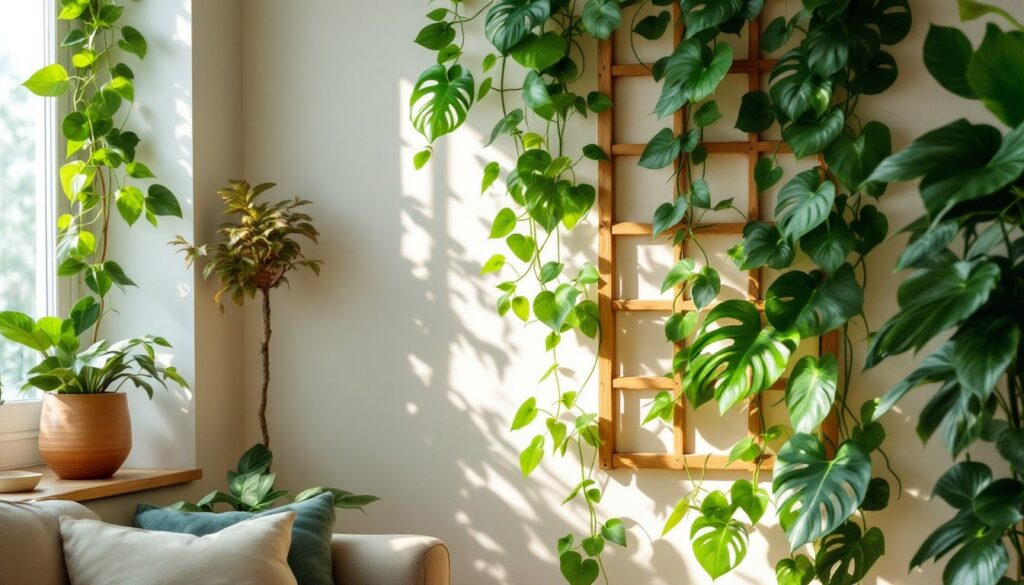
Climbing house plants are a game-changer for anyone looking to add vertical greenery without taking up precious floor space. Unlike traditional potted plants, these vining beauties grow upward along walls, trellises, and shelves, creating a lush backdrop that transforms bland corners into living focal points. Whether you’re working with limited square footage or just want to maximize your interior landscaping, climbing house plants offer flexibility and dramatic visual impact. They’re also some of the easiest plants to propagate and maintain, making them ideal for beginners and experienced plant parents alike.
Table of Contents
ToggleKey Takeaways
- Climbing house plants maximize vertical space and add dramatic visual impact without occupying precious floor area, making them perfect for small homes or renters.
- Choose climbing plants based on your light conditions—pothos and philodendrons excel in low light, while Monsteras and Hoyas thrive in bright, indirect light.
- Proper support structure installation is critical: use wall anchors rated for 10-15 pounds, secure into studs when possible, and test with your body weight before attaching your plant.
- Water when the top 1-2 inches of soil are dry, use soft plant ties instead of wire to avoid stem damage, and prune every few months to encourage bushier, fuller growth.
- Tropical climbing house plants benefit from humidity above 50% and monthly feeding during the growing season (March-September) to maintain lush foliage and prevent pest issues.
What Are Climbing House Plants and Why You’ll Love Them
Climbing house plants (also called vining or trailing plants) naturally grow along surfaces, developing long stems with aerial rootlets or leaf nodes that attach to structures or hang gracefully downward. Unlike shrubby houseplants, they’re engineered by nature to seek light and support, making them perfect for training onto trellises, moss poles, or wall-mounted structures.
The appeal is practical and aesthetic. Vertically oriented plants draw the eye upward, making rooms feel taller and more spacious. They also act as natural air filters, improve humidity in localized areas, and can soften hard architectural lines. From a DIY standpoint, setting up a climbing plant system is straightforward, no special plumbing, wiring, or structural permits required. A few wall anchors, a trellis, and some plant tie clips are all you need.
They’re also forgiving in ways many houseplants aren’t. Most climbers tolerate irregular watering better than finicky succulents or fussy flowering plants. Many thrive in lower light, making them suitable for north-facing windows or hallways. And because they grow outward from a single anchor point rather than spreading horizontally, they’re perfect for renters or anyone hesitant about committing to large floor footprints.
Top Climbing House Plants for Every Light Condition
Choosing the right climbing plant starts with honestly assessing your light situation. No trellis setup will save a sun-hungry plant in a dim corner, and conversely, a shade-tolerant climber may look pale and weak under intense south-facing light. Here’s how to match your space to the right plant.
Best Plants for Low Light Areas
Pothos (also called Devil’s Ivy) is the reigning champion of low-light climbing plants. This nearly indestructible viner tolerates everything from north-facing windows to offices with only fluorescent light. Its heart-shaped leaves remain vibrant green even in dim conditions, and it grows fast enough to reward patient watchers without becoming invasive. Train it on a simple wooden trellis or let it trail from a high shelf.
Philodendron (heartleaf or climbing varieties) behaves similarly to pothos but develops slightly larger leaves and a more mature aesthetic. It’s equally tolerant of low light and irregular watering. The creeping fig variety, while slower-growing, develops a more delicate appearance and works beautifully on narrow wall spaces.
ZZ Plant varieties like the rarer Zamioculcas zamiifolia ‘Variegata’ can climb when given support, though they’re naturally bushy. They’re virtually bulletproof in low-light offices and neglect-prone households. Their waxy, architectural leaves command attention without demanding fussy care.
All three thrive in standard potting soil with good drainage holes. Water when the top inch of soil is dry, overwatering is far more dangerous in low-light settings where evaporation slows.
Best Plants for Bright, Indirect Light
Hoya (wax plant) is a tropical climber that rewards bright conditions with fragrant, star-shaped flowers. Its waxy leaves and moderate growth rate make it ideal for carefully curated displays. Hoyas develop thick stems and look impressive on moss poles, which mimic their natural growth on trees in Southeast Asia.
Scindapsus pictus (Satin Pothos) develops stunning silvery variegation under bright, indirect light. Direct sun bleaches the pattern, so an east or west-facing window filtered by a sheer curtain is ideal. It’s slower-growing than regular pothos but worth the patience for its dramatic appearance.
Monstera deliciosa and Rhaphidophora tetrasperma (mini monstera) are showstoppers that develop their signature fenestrations (leaf holes) more readily in bright conditions. Both need robust support, a sturdy moss pole or heavy-duty trellis, as their stems become thick and woody. These are showpieces that justify the wall space they occupy.
Plants for bright indirect light generally prefer more frequent watering (every 5–7 days in warm months) and benefit from monthly feeding during the growing season (spring and summer). Moss poles should be misted weekly to encourage aerial roots to adhere.
How to Set Up Support Structures for Successful Growth
The support structure is as important as the plant itself. A flimsy trellis or poorly anchored pole will frustrate you and stress the plant. Here’s how to set it up right.
Assess your wall and anchor points. If you’re mounting on drywall, use wall anchors rated for at least 10–15 pounds. Locate studs with a stud finder (a cheap magnetic one works fine) and drill into studs whenever possible, they’ll support heavier, mature plants. Avoid walls with electrical outlets or hidden plumbing by checking with a stud finder that doubles as a live-wire detector, or consult your home’s electrical plan.
Choose the right support type. Wooden trellises (1-inch or 2-inch timber) are forgiving and attractive. Metal trellises stay put in high humidity and don’t absorb water. Moss poles work beautifully for thick-stemmed climbers like monsteras and hoyas because aerial roots naturally wrap around the damp moss. If you’re building a custom moss pole, wrap sphagnum moss around a PVC pipe or wooden post and secure it with fishing line.
Install the structure before planting. Don’t attach a plant-laden pot to a wall and then fuss with mounting hardware. Secure the trellis or pole first, using lag bolts (3/8-inch diameter, 3-inch length) into studs, or toggle anchors for drywall. Test the structure by hanging from it with your full body weight, if it holds you, it’ll hold your plant.
Use plant ties, not wire. Soft plant ties, velcro straps, or even old t-shirt strips gently guide vines without cutting into stems. Never use bare wire or fishing line, which strangles growth. Tie loosely enough that you can slide a finger under the tie. As the plant matures, stems thicken and may need retying.
Water management matters. If you’re mounting a plant high on a wall, place a waterproof mat or tray beneath it. Even careful waterers drip. Alternatively, use a self-watering pot or a buried reservoir system (like those used for potted trees) to reduce daily dripping.
Essential Care Tips for Thriving Climbing Vines
Once your climbing plant is in place, consistent care keeps it looking lush. These aren’t set-it-and-forget-it plants, but they’re close.
Watering. The golden rule is to water thoroughly when the top 1–2 inches of soil are dry. In summer, that’s often weekly: in winter, stretch it to every 10–14 days. Drainage holes are non-negotiable. If your decorative pot doesn’t have drainage, use a nursery pot inside it or drill holes yourself using a ceramic drill bit.
Light and growth direction. Climbers naturally reach toward light. If your vines are only growing on one side of the trellis, rotate the pot slightly every few weeks to encourage balanced growth. Variegated varieties (like satin pothos) may revert to solid green in low light, a sign to move them closer to a window.
Pruning and training. Pinch back growing tips every few months to encourage bushier, fuller growth rather than a single lanky vine. This also prevents the plant from outpacing its support structure. Use clean pruning shears or scissors (sharper is better, crushing stems invites rot). Save the pruned stems: most climbers propagate easily in water or moist soil.
Humidity and misting. Tropical climbers like hoyas and monsteras prefer humidity above 50%. If your home is dry (typical with winter heating), mist vines 2–3 times weekly or group plants together to create a humid microclimate. Avoid misting in the evening, which invites fungal issues.
Fertilizing. During the growing season (March through September), feed monthly with a balanced, diluted fertilizer (10-10-10 NPK or similar). Reduce feeding in fall and winter when growth naturally slows. Over-fertilizing creates weak, leggy growth.
Pest watch. Spider mites and mealybugs love climbing plants, especially in dry conditions. Check leaf undersides monthly. If you spot webbing or white fuzzy clusters, isolate the plant and spray with neem oil or insecticidal soap, following label directions. Popular house plants in similar conditions also attract these pests, so staying vigilant protects your whole collection.
Repotting. When roots emerge from drainage holes or growth slows even though proper care, it’s time to repot. Spring is ideal. Choose a pot only 1–2 inches larger in diameter: too-large pots retain excess moisture and invite root rot. Use well-draining potting mix, never garden soil, which compacts and stays waterlogged.
Conclusion
Climbing house plants are one of the easiest, most rewarding ways to transform your interior space. Whether you’re working with a dim corner that needs life or a bright wall begging for a living backdrop, there’s a climber suited to your conditions. Start with a low-maintenance option like pothos or heartleaf philodendron if you’re new to vertical gardening, and invest in a properly installed support structure. With thoughtful watering, seasonal feeding, and occasional pruning, your climbing vines will reward you with years of lush, living wall art.