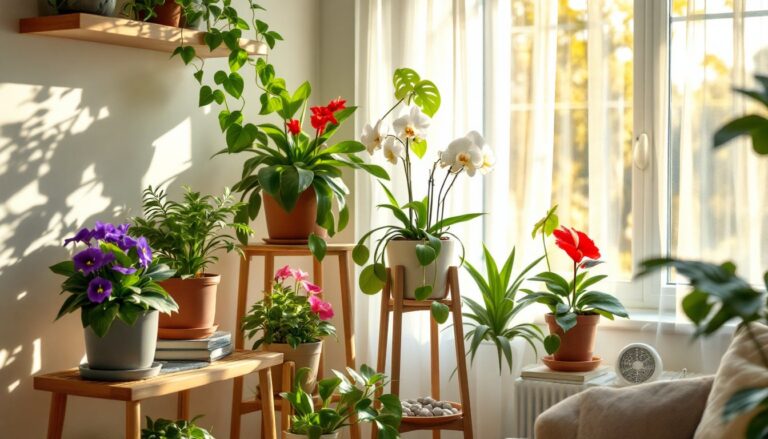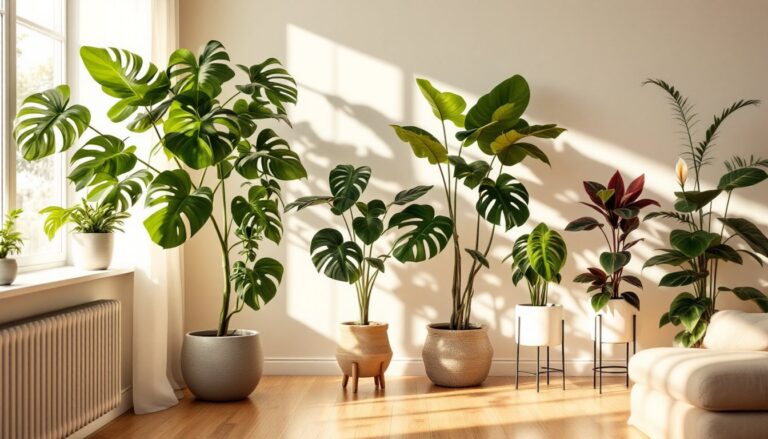
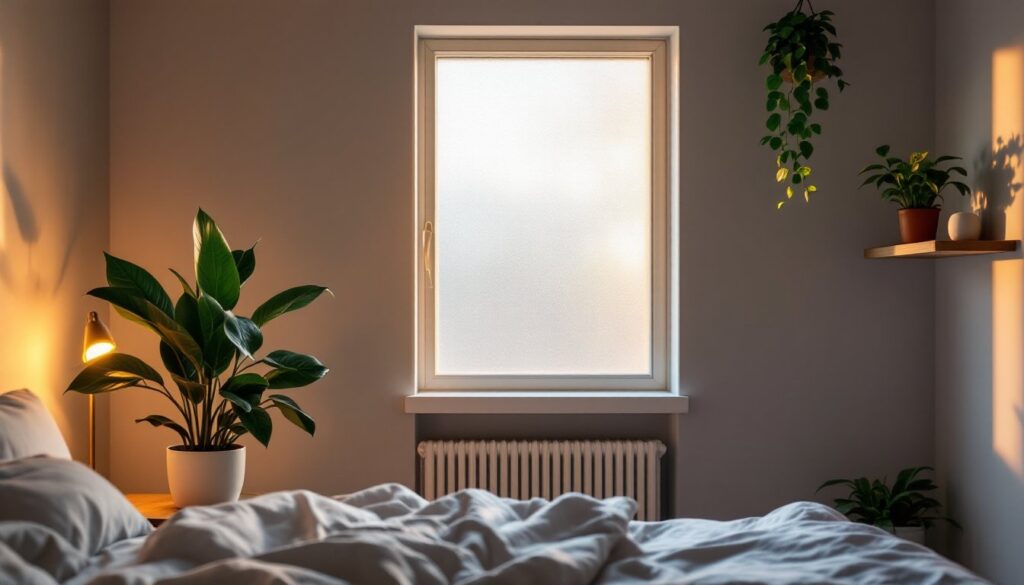
Not every home has a sunny south-facing window, and that shouldn’t stop you from growing indoor plants. Low-light indoor plants thrive in kitchens with frosted glass, north-facing bedrooms, basements, and those hallways that never quite see direct sun. Whether you’re dealing with an apartment building blocking most natural light or a home where windows face shade trees, plenty of hardworking plants will green up your space without demanding a grow light setup. This guide walks you through choosing the right low-light tolerant plants, caring for them properly, and creating an environment where they actually thrive, not just survive.
Table of Contents
ToggleKey Takeaways
- Indoor no light plants don’t require sunlight but still need some ambient illumination from windows, artificial lights, or household fixtures to thrive for months at a time.
- Snake Plant, Pothos, Philodendron, and ZZ Plant are the most reliable low-light tolerant houseplants that adapt beautifully to shade and neglect with minimal care demands.
- Overwatering is the primary threat to low-light plant health, so check soil moisture 1-2 inches down before watering and allow longer drying periods between waterings.
- Well-draining potting soil with drainage holes is more critical for low-light plant survival than the amount of light they receive, as it prevents root rot in slow-drying conditions.
- Rotate your plants every couple of weeks and move them closer to a window if growth slows, as slight positional adjustments often restore vigor without requiring expensive grow light equipment.
Understanding Low-Light Plant Needs
Low-light plants are adapted to live where sunlight is limited, but “low-light” doesn’t mean “no light.” These plants still need some illumination, indirect light from windows, artificial ambient light, or even a modest desk lamp counts. Most low-light tolerant houseplants evolved in forest understories or jungle floors where dense canopies blocked direct sun, so they’re wired to capture whatever filtered light reaches them.
The key difference between a low-light plant and a sun-loving plant is photosynthetic efficiency. Low-light plants have larger leaves and lighter-colored foliage that absorbs light more effectively, and they grow more slowly than sun plants because they produce energy at a slower rate. This means they also need less frequent watering, a feature that makes them forgiving for busy homeowners.
One practical reality: true no-light plants don’t really exist. Even the most shade-tolerant houseplant needs some ambient illumination. If your space gets absolutely zero light (like a closet), you’ll need to supplement with a basic LED grow light or rotate plants to a brighter spot weekly. That said, indirect window light from across the room, hallway light spilling into a corner, or even the glow from indoor fixtures will sustain a low-light plant for months.
Top No-Light Tolerant Plants for Any Room
Snake Plant and Pothos
Snake Plant (Sansevieria trifasciata) is bulletproof. It tolerates shade, irregular watering, temperature swings, and neglect with remarkable patience. The upright, sword-like leaves come in solid green or variegated patterns (like ‘Laurentii’ with yellow edges), and the plant grows slowly even in low light. Snake plants are also air-purifying performers, they metabolize toxins like formaldehyde and benzene, making them a smart pick for bedrooms or living areas.
Pothos (Epipremnum aureum), sometimes called Devil’s Ivy, is equally forgiving and actually more vining and trailing than Snake Plant. It adapts beautifully to low light and poor conditions, making it perfect for hanging baskets or trained up a moss pole. The heart-shaped leaves develop darker green coloring in shade, and variegated varieties like ‘Golden Pothos’ become less colorful in low light but remain healthy. Both plants prefer to dry out slightly between waterings, overwatering is their main enemy.
Philodendron and ZZ Plant
Philodendrons come in several low-light varieties, with the heartleaf Philodendron (Philodendron hederaceum) and Philodendron ‘Brasil’ being the most accessible. They’re similar to Pothos in many ways, vining, adaptable, and genuinely happy in indirect light. Heartleaf types have smaller, thinner leaves and prefer consistent (but not wet) soil: they’re excellent for small shelves or as a cascading hanging plant.
The ZZ Plant (Zamioculcas zamiifolia) is the industrial-strength low-light option. With glossy, waxy leaflets arranged along upright stems, it tolerates weeks of neglect and low light better than almost any other houseplant. ZZ plants are slow-growing and thrive on indirect light and infrequent watering, water every 2-3 weeks when the soil is completely dry. The main catch: ZZ plants are toxic if ingested, so keep them away from pets and small children. According to 14 Best Low-Light Houseplants resources, ZZ plants rank among the toughest performers in dim interiors.
Essential Care Tips for Low-Light Plants
Low-light plants still need consistent care, just different from their sunny cousins. Watering is the biggest adjustment: low-light plants use less water because they’re photosynthesizing at a slower rate and transpiring less moisture. Before watering, always check the soil 1-2 inches down with your finger: if it feels moist, skip watering. Overwatered roots in low-light conditions stay wet longer, creating rot risk. Once weekly or even biweekly watering is normal for most low-light houseplants.
Fertilizing should be lighter and less frequent. Since low-light plants grow more slowly, they don’t need the nutrient boost that fast-growing sun plants do. Apply a balanced, diluted liquid fertilizer (like 10-10-10) once every 4-6 weeks during the growing season (spring and summer). In fall and winter, cut back to once every 8-10 weeks or stop entirely. Overfeeding causes salt buildup in the soil, which damages roots.
Rotate your plants occasionally, even in low light. Turning them 180 degrees every couple of weeks prevents lopsided growth where foliage leans toward the nearest light source. If you notice slow growth or smaller new leaves, that’s a sign the plant isn’t getting quite enough light, move it a foot or two closer to a window, or introduce a gentle artificial light source nearby. Indoor plant experts at The Spruce emphasize that slight positional adjustments often restore vigor without needing major equipment investment.
Creating the Right Environment
Temperature and humidity matter, but low-light plants are usually forgiving here too. Most houseplants thrive between 65°F and 75°F, and they tolerate temperatures down to 50°F without complaint. Avoid placing them near heat vents, AC units, or drafty windows where temperatures swing 15+ degrees daily.
Humidity helps, especially for tropical low-light plants like Pothos and Philodendron. If your air is very dry (common in heated homes during winter), mist foliage with a spray bottle or group plants together so they create a microclimate. You don’t need a humidifier unless you’re running heat constantly: a simple misting 2-3 times weekly does the job.
Soil is more important than light in many cases. Low-light plants need well-draining soil that doesn’t trap moisture, which leads to root rot. Use a general-purpose potting mix (not garden soil) and ensure your pot has drainage holes, no exceptions. If you’re repotting, do it in spring, and only go up one pot size: too much soil around the roots means water sits longer. Low-light plants are often sold in 4-6 inch pots and don’t need aggressive upsizing.
Artificial lighting, if you choose to add it, doesn’t have to be fancy. A basic LED shop light (20-40 watts, 5000K color temperature) placed 12-18 inches above a plant for 12-14 hours daily makes a significant difference in growth without the heat or cost of traditional grow lights. You can set it on a timer. But start with placement optimization first, move a struggling plant to a better-lit corner before investing in lights.
Conclusion
Low-light indoor plants aren’t a compromise, they’re a practical choice for any home. Snake Plants, Pothos, Philodendrons, and ZZ Plants have proven themselves for decades as reliable, low-maintenance greenery that thrives in shade. The real secret is matching the plant to your actual light conditions, watering conservatively, and letting them grow at their own pace. Start with one or two easy varieties, dial in your watering routine, and you’ll find that greening up dark corners is easier than you thought.