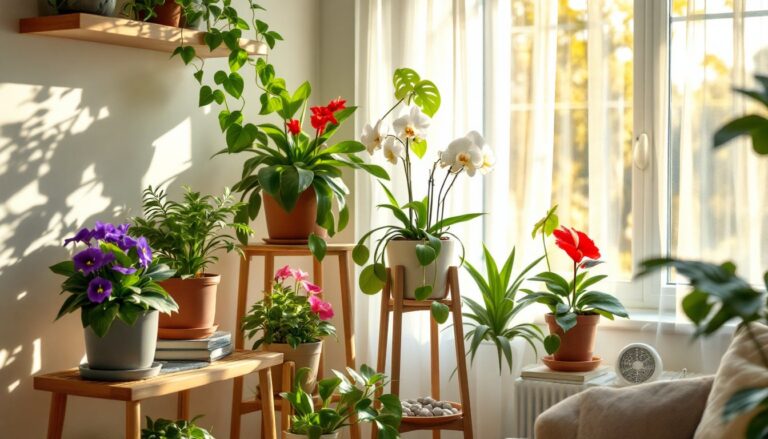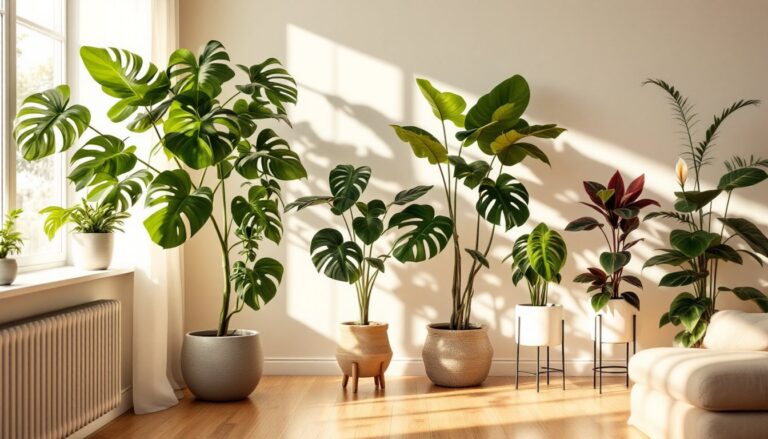
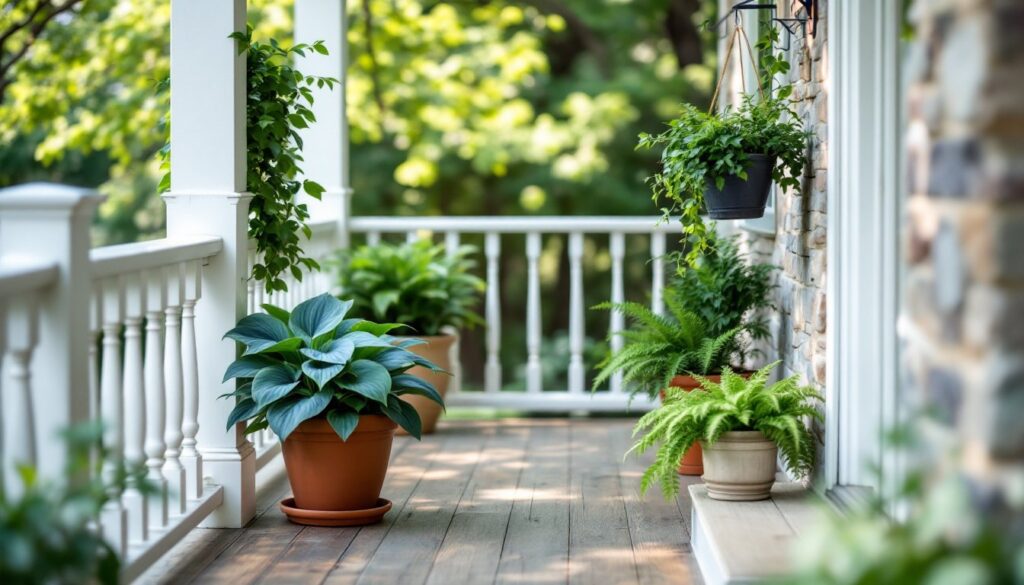
A shaded front porch doesn’t mean giving up on greenery. While sun-worshipping annuals and roses won’t cut it, plenty of potted plants thrive in partial to full shade, transforming a dim entry into a lush, welcoming space. Shade-tolerant plants are often tougher than their sun-loving cousins, they handle inconsistent watering, temperature swings, and variable light without drama. The key is choosing the right shade-loving potted plants and understanding how to set them up for success. This guide covers the best options, care fundamentals, and design tips to make your front porch a green retreat.
Table of Contents
ToggleKey Takeaways
- Front house potted plants for shade front porch thrive because shade slows soil evaporation and prevents the root stress caused by intense afternoon heat that affects sun-loving plants.
- Hostas, ferns, ivy, and sedums are the top shade-tolerant plants for front porch containers, each offering unique foliage textures and colors that brighten dim spaces without requiring flowers.
- Proper drainage, quality potting mix, and checking soil moisture before watering are non-negotiable to prevent root rot and keep container plants healthy in shaded conditions.
- Group pots in odd numbers (3 or 5) with varied heights and play with light-colored foliage like variegated hostas and golden ivy to make a shaded porch feel brighter and more intentional.
- Refresh potting soil annually and divide crowded plants every 3–4 years to restore nutrients, improve drainage, and keep your shade-loving potted plants performing year after year.
Why Potted Plants Thrive on Shaded Front Porches
Shade isn’t a limitation for potted plants, it’s often an advantage. Full sun can dry out containers rapidly, stressing roots and demanding daily watering in warm months. Shade slows evaporation, keeping soil consistently moist longer. Potted plants in shade also avoid intense afternoon heat that can scorch delicate foliage or stress blooms.
Container growing itself favors shade-tolerant species. Because pots have finite soil volume, they don’t retain moisture like in-ground beds. Plants adapted to shade, which naturally means fewer roots, lower water demand, actually perform better in the constrained root zone of a container. Hostas, ferns, and similar shade plants evolved to extract nutrients and water efficiently in low-light forest understory: that same efficiency translates well to pot culture.
Another advantage: shaded porches are typically cooler. Temperature fluctuations stress container plants more than in-ground ones because pots heat up and cool down faster than surrounding soil. A shaded porch keeps roots more stable, reducing transplant shock and the need to rotate or move pots constantly. You’ll also avoid the problem of soil drying out so fast that water runs straight through without being absorbed.
Understory plants, those naturally found under tree canopies, also produce foliage colors and textures that brighten dim spaces. Many shade plants have variegated leaves, silvery undersides, or deep greens that actually appear to glow in lower light, making them visually compelling without needing flowers to carry the display.
Top Shade-Loving Plants for Front Porch Containers
Hostas and Ferns: Lush Foliage Options
Hostas are the workhorses of shade gardening, and they excel in containers. Their broad, architectural leaves come in solid greens, blues, whites, and variegated patterns, all designed to catch dappled light. ‘Sum and Substance’ offers massive leaves on a 4-to-5-foot clump: ‘Halcyon’ brings blue-green color in a more compact form. For front porch work, choose smaller cultivars like ‘Patriot’ or ‘June’ that fit 12-to-18-inch pots without overwhelming the space.
Hostas are forgiving: they tolerate inconsistent watering better than most shade plants, prefer regular moisture but handle dry spells, and rarely attract pests indoors or on porches. A quality potting mix (not garden soil) ensures drainage: hostas rot in waterlogged pots. Divide crowded hostas every 3-4 years and refresh the top 2-3 inches of soil annually with compost.
Ferns bring texture and movement. Boston ferns are classic but finicky indoors: Japanese painted ferns (Athyrium niponicum) and autumn ferns handle porch fluctuations better. Painting ferns lose vigor in direct sun but thrive in part shade on porches. Their fine, feathery fronds add contrast next to bold hosta foliage. Keep fern soil consistently moist (not soggy) and mist occasionally if humidity drops, porch microclimates can be dry if exposed to wind.
A detailed shade container garden plan from Better Homes & Gardens shows how to combine hostas and ferns for maximum visual interest.
Ivy and Trailing Vines: Cascading Beauty
Ivy and vines add vertical dimension and soften hard porch edges. English ivy (Hedera helix) trails gracefully from hanging baskets and tolerates serious shade: it’s frost-hardy in most zones and requires minimal care. Colchicum ivy or ‘Goldenheart’ bring variegation, bright accents in dim corners. Plant ivy in 6-to-10-inch hanging pots and let stems spill over railing or porch ledge.
Woodsie clematis and climbing hydrangea aren’t typical container plants, but several smaller vining cultivars work. The real MVP here is sweetbox or Sarcococca, a evergreen shrub with trailing tendency: fragrant white flowers appear in winter. It’s more of a novelty on a shaded porch, but pays off with scent and year-round structure.
Trailing sedums like ‘Autumn Fire’ or burro’s tail (if your porch stays above 50°F at night) work in part-shade. They’re more drought-tolerant than hostas, so they suit porches where you might forget a watering or two. Use a gritty, fast-draining mix (add extra perlite) to prevent rot. Water only when soil is completely dry, overwatering kills sedums faster than anything else.
Ivy and other trailing plants naturally soften the edges of containers and break up the hard lines of a porch. Layer a hanging basket of ivy alongside upright hostas to create depth and professional-looking arrangements. The combination of trailing and mounding plants keeps the eye moving and makes small spaces feel larger.
Container Care and Maintenance Essentials
Drainage is non-negotiable. Use containers with drainage holes, no exceptions. Even the most shade-tolerant plant rots in standing water. Pot size matters: a hosta needs at least a 14-to-16-inch container (at least 15 liters of soil): ferns do fine in 12-inch pots. Oversized pots hold too much moisture and promote root rot: undersized ones dry out and stress roots. When in doubt, err slightly small, you can always up-pot next season.
Water deeply but infrequently. Shade slows evaporation, so check soil moisture before watering. Stick your finger 1 inch into the soil: if it’s moist, wait another day or two. Water until it drains from the bottom hole, then empty saucers after 10-15 minutes. Porch weather varies, a rainy week might mean no watering, then a dry spell requires daily checks. Consistency beats guesswork.
Soil matters more in containers than in-ground. Use a quality potting mix (Miracle-Gro, Espoma, or Fox Farm brands work) that contains compost and slow-release fertilizer. Never use garden soil in pots: it compacts, retains too much water, and lacks aeration. For shade plants, avoid “moisture-controlled” mixes meant for sun, they hold water designed for fast-draining conditions and will oversaturate shade-tolerant roots.
Fertilize monthly during growing season (spring through early fall). Shade plants grow slower than sun plants, so they need less nutrition, but container-grown specimens exhaust nutrients faster than in-ground plants. Use a diluted liquid fertilizer (half strength) or slow-release pellets mixed into the top of soil. Stop feeding by late August: fall feeding promotes tender new growth that frost will kill.
Inspect monthly for pests, even on porches. Spider mites, scale, and mealybugs love shade and can ravage hostas or ferns indoors. Check leaf undersides first. Spray with neem oil or insecticidal soap at first sign, early intervention prevents infestations. Porch air circulation is actually better than indoors, so serious pests are less likely, but don’t get complacent.
Refresh soil annually. In spring, remove the top 2-to-3 inches of old soil and replace with fresh potting mix mixed with compost. This restores nutrients, improves drainage, and removes algae or salt buildup. Every 3-4 years, divide or up-pot completely, dump the whole plant, shake off old soil, and repot into a container 1-to-2 inches larger with new mix.
Designing Your Shaded Front Porch Display
Group pots for maximum impact. A single hosta on a large porch looks lonely: three hostas of different cultivars, staggered in height with trailing ivy beside them, creates a cohesive border. Odd numbers (3, 5) feel more natural than pairs. Vary heights using hanging baskets, low containers, and standard pots to draw the eye upward and create depth.
Play with color and texture. Combine the bold leaves of a blue hosta with the delicate fronds of a fern and the creeping green of ivy. Add variegated plants, ‘Patriot’ hosta’s cream-edged leaves, golden ivy, or silvery heuchera (also shade-tolerant, with bonus bronze foliage), to brighten dark corners. In deep shade, light-colored foliage acts like a light source, making the porch feel brighter.
Choose containers that suit your home. Terracotta dries out faster than plastic or ceramic in sun, but even in shade, terracotta’s porous nature helps prevent root rot, a good choice if you tend to overwater. Resin or plastic pots retain moisture longer: they’re lightweight, durable, and come in colors that hide algae. Glazed ceramic is durable and attractive but heavy: reserve it for permanent displays. Size the pot color to your porch: dark pots suit bright porches: light or neutral pots work anywhere.
Respect the porch microclimate. A porch roof provides overhead protection, but wind can still dry edges. Put moisture-lovers (hostas, ferns) toward the more sheltered center: place sedums or ivy, which tolerate drier conditions, at the windy perimeter. If your porch is extremely dark (deep shade from large trees or neighboring buildings), stick with the hardiest shade plants, hostas, Japanese painted ferns, ivy. Skip flowering plants that require more light.
On a shaded front porch, aim for popular house plants that actually perform outdoors. Consider year-round interest: evergreen hostas and ivy remain handsome in winter: deciduous ferns die back, clearing the porch in dormancy. If you want continuous texture, mix evergreen and deciduous plants. Seasonal swaps, rotate in fresh plants mid-season if something fades, keep the display fresh without extra work.
A well-designed potted porch should feel intentional and balanced, not cluttered. Leave negative space: three well-placed pots with breathing room beat six crammed together. Water, feed, and rotate annually, and your shade-loving potted plants will outperform sun-blasted annuals every time.
Conclusion
A shaded front porch is an opportunity, not a drawback. Shade-tolerant potted plants, hostas, ferns, ivy, and sedums, thrive in low light, dry out slower, and tolerate porch temperature swings better than sun-lovers. Start with proven performers, use quality potting mix and proper drainage, and water by checking soil moisture rather than guessing. Layer in varied heights and textures, choose containers that fit your aesthetic, and refresh soil annually. Your porch will become a restful, green welcome that actually thrives on neglect better than a sun-baked container ever could.