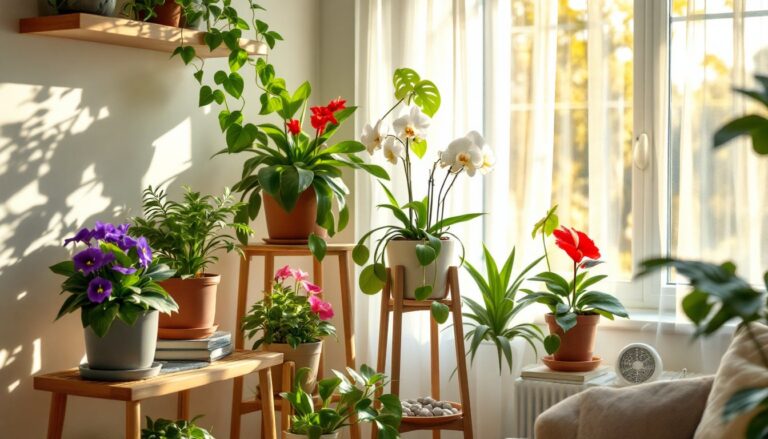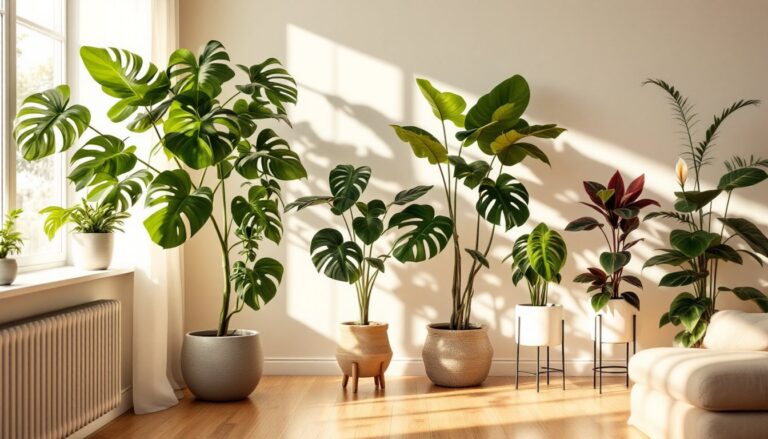
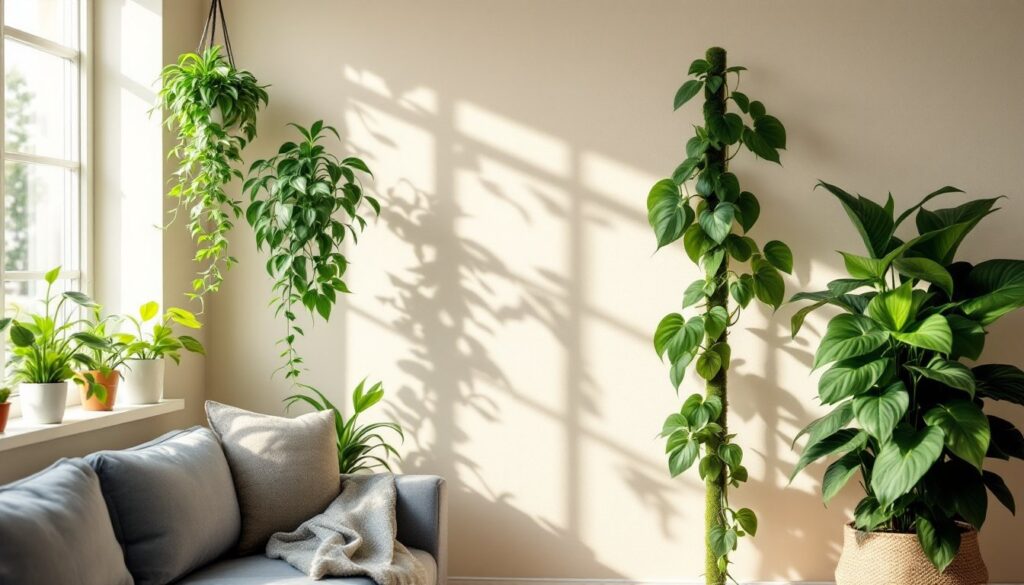
Indoor air quality matters more than most homeowners realize. While you’re thinking about insulation, drywall, and trim work, the air circulating through your home is quietly affecting your health and comfort. That’s where air purifying indoor plants come in. These aren’t just decorative additions to your shelves and corners, they’re functional improvements that tackle common indoor air pollutants while adding life to your spaces. Whether you’re a seasoned DIYer or just starting to green up your home, understanding how air purifying plants work and which varieties thrive in typical home conditions is a practical upgrade that requires no permits, no power tools, and delivers results you can actually feel.
Table of Contents
ToggleKey Takeaways
- Air purifying indoor plants absorb harmful gases like formaldehyde and benzene through their leaves and roots, providing a practical, low-cost solution to improve home air quality without mechanical systems.
- Hardy varieties like spider plant, pothos, snake plant, and dracaena are ideal for beginners because they tolerate low light, inconsistent watering, and temperature fluctuations while delivering proven filtration results.
- Strategic placement throughout your home—spacing multiple air purifying plants in commonly occupied rooms like bedrooms and living rooms—creates measurable air quality improvements better than clustering plants in one location.
- Proper care directly impacts filtration effectiveness: water only when the top inch of soil is dry, use quality potting mix, rotate plants quarterly for even growth, and dust leaves monthly to maximize gas absorption.
- Combining air purifying plants with good ventilation and regular HVAC maintenance creates a healthier living environment, though a single plant won’t replace air filters or HEPA purifiers in larger spaces.
Why Air Purifying Plants Matter for Your Home
Indoor air can be surprisingly contaminated. Your paint, furniture, carpet, and cleaning products release volatile organic compounds (VOCs), formaldehyde, benzene, and trichloroethylene are the heavy hitters. Standard HVAC systems filter particulates but miss many of these chemicals. Air purifying plants work differently: they absorb gases through their leaves and roots, breaking them down or storing them safely. This is real science, not marketing hype.
Think of these plants as a living filtration system. A single potted plant won’t replace your air filter or HEPA purifier, but research shows that strategically placed air purifying house plants meaningfully reduce harmful compounds in confined spaces. For a DIYer focused on improving home conditions without adding mechanical systems, this is a straightforward, low-cost solution.
The Science Behind Plant Air Filtration
Plants absorb carbon dioxide and release oxygen, you learned that in elementary school. But they also absorb noxious gases through their leaves and transport them to their root system, where soil microbes break them down. NASA’s famous air purification study (1989) documented this process, showing that certain varieties of air purifier plants indoor significantly reduced formaldehyde and other VOCs in sealed chambers. The mechanism is real, though the scale matters: you’ll want multiple plants in larger rooms or spaces with poor ventilation.
The best indoor plants for air purification combine two traits: they’re effective at removing specific VOCs, and they’re hardy enough to survive typical home conditions. Most homeowners don’t have ideal lighting or perfect humidity, so choosing varieties that tolerate neglect is practical advice. A thriving plant works better than a struggling showpiece, regardless of its theoretical filtration capacity.
Top Air Purifying Plants That Actually Work
The list of air purifier plants indoor is long, but these varieties consistently deliver both filtration and durability in real homes.
Spider Plant (Chlorophytum comosum) is the workhorse. It removes formaldehyde and xylene, tolerates low light and inconsistent watering, and produces easy-to-propagate runners. If you kill every other plant, a spider plant might be your exception.
Pothos (Epipremnum aureum), also called devil’s ivy, tackles formaldehyde, benzene, and trichloroethylene. It grows aggressively in low light, doesn’t mind dry air, and looks good cascading from a shelf or climbing a moss pole. One pothos can cover serious ground with minimal fussing.
Snake Plant (Sansevieria trifasciata) removes formaldehyde and benzene. It’s architectural, requires watering only every 3–4 weeks, and actually prefers neglect to overwatering. Its upright form fits tight corners where other trailing plants won’t.
Dracaena (Dracaena marginata and others) filters formaldehyde, benzene, and trichloroethylene. It grows tall, works in medium to bright indirect light, and tolerates the temperature swings typical of most homes. The red-edged variety looks sharp against neutral walls.
Boston Fern (Nephrolepis exaltata) removes formaldehyde exceptionally well. It needs consistent humidity and indirect light, making it better suited to bathrooms or kitchen windowsills than dry living rooms. If your humidity fluctuates wildly, this one’s trickier.
Peace Lily (Spathiphyllum wallisii) filters formaldehyde, benzene, and trichloroethylene while signaling when it needs water by drooping, perfect for forgetful waterers. It flowers indoors and thrives in low to medium light.
Low-Maintenance Varieties for Beginners
If you’re new to houseplants, start with spider plant, pothos, snake plant, or dracaena. These four species forgive irregular watering, tolerate temperature swings, and grow in less-than-ideal light. They’re also inexpensive, so if you lose one while learning, the financial sting is minimal.
Avoid fussy varieties like orchids or anthuriums unless you’re prepared to monitor humidity and light obsessively. The best indoor plants for clean air are ones you’ll actually keep alive. A thriving pothos beats a wilted air purifier plant every time. Look at what popular house plants work well in similar conditions to your space, and choose varieties with proven track records in homes like yours. Browsing common house plants guides shows you which varieties handle the most common mistakes.
How to Care for Air Purifying Plants
Proper care isn’t complicated, but it matters. A struggling plant doesn’t filtrate as effectively as a healthy one, so basic maintenance translates to measurable air quality improvement.
Watering is the single most common mistake. Most air purifying plants indoor prefer to dry out slightly between waterings. Check soil moisture with your finger before watering: if the top inch is damp, wait. Water thoroughly until it drains from the bottom, then empty the saucer, sitting in water kills roots. In winter, most houseplants need less frequent watering as growth slows.
Soil matters. Use a general-purpose potting mix (not garden soil, it compacts indoors). Repot every 12–18 months as roots outgrow the container. A larger pot means more soil to retain moisture, so don’t upsize too aggressively: go one size up at a time.
Feeding is optional if you repot regularly, since fresh potting mix contains nutrients. If you prefer to keep plants in the same container, feed every 4–6 weeks during growing season (spring and summer) with balanced, diluted liquid fertilizer. Follow label directions, more isn’t better.
Pests occasionally arrive on new plants. Spider mites, mealybugs, and scale are the usual suspects. Isolate affected plants, spray with insecticidal soap or neem oil (always read label instructions), and repeat weekly until pests are gone. Inspect new plants before bringing them home to prevent infestations.
Optimal Placement and Light Requirements
Light is the primary variable. Low-light varieties like pothos, snake plant, and peace lily tolerate indirect light from north-facing windows or interior corners. Medium-light plants like dracaena and spider plant do best with filtered light from east or west windows. Avoid direct afternoon sun, which can scorch leaves and cause stress.
Rotate plants quarterly if light exposure is uneven: they’ll grow evenly rather than reaching toward a single light source. Dust leaves monthly with a soft, damp cloth, clean leaves photosynthesize better and absorb gases more effectively than dusty ones.
Placement strategy matters for air purification. Put plants in commonly occupied rooms where you breathe their filtered air. A bedroom plant near your sleeping spot, a living room plant by your couch, and a kitchen plant where you spend morning time all contribute. Grouping multiple plants together in one corner is less effective than spacing them throughout your home. Large plant collections work better for whole-home air quality, so as you gain confidence, expand gradually. Exploring large house plants opens options for filling vertical space without cluttering your floor. Check tropical house plants for varieties that add visual interest while handling filtration duties. For comprehensive context on what works indoors, the house plants guides offer tested recommendations for different rooms and light conditions.
Research from Better Homes & Gardens confirms that multiple plants distributed throughout your home create measurable air quality improvements. Similarly, Sunset Magazine’s guide recommends spacing plants strategically to maximize their filtration potential. Both sources emphasize variety, different plants tackle different pollutants, so a mix is better than quantity of one species.
Conclusion
Air purifying plants are a practical, low-cost upgrade that improves your home’s indoor air quality without requiring permits, professional installation, or complex maintenance. Start with hardy varieties, spider plant, pothos, or snake plant, and expand once you’ve found your rhythm. Consistent watering, adequate light, and seasonal feeding keep these living filters working effectively. Combined with good ventilation and regular HVAC maintenance, air purifying indoor plants create a measurably healthier living environment your family will actually breathe.