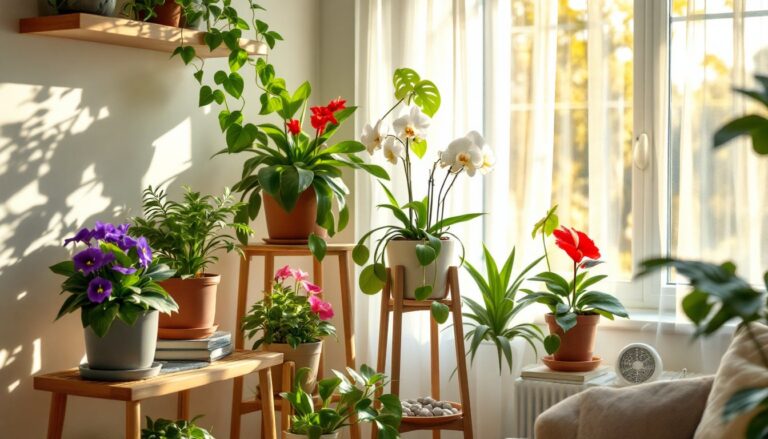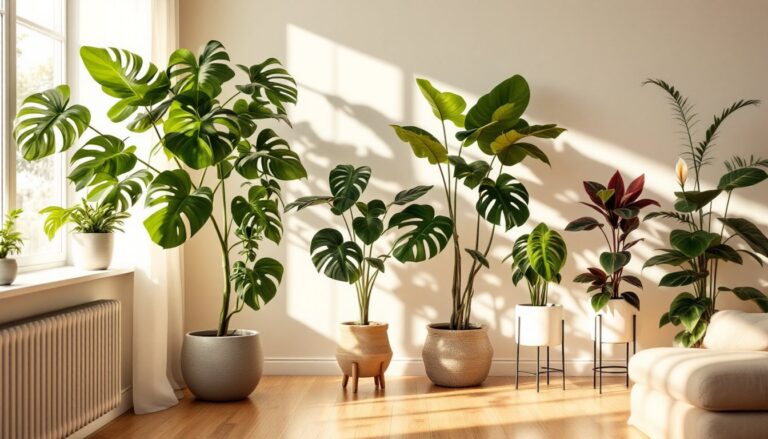
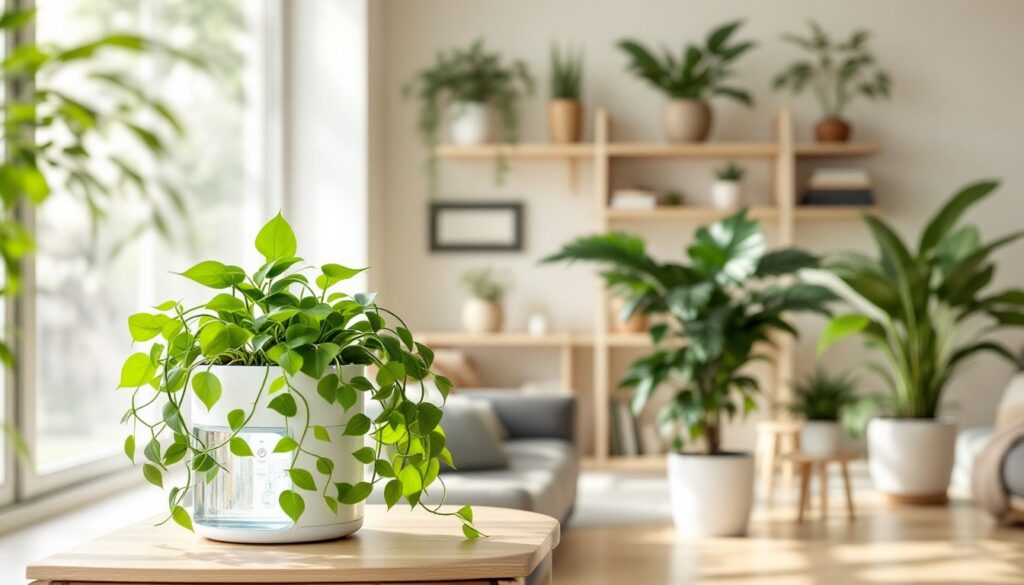
You’ve killed every plant you’ve brought home. Sound familiar? Most homeowners struggle with watering schedules, either drowning their greenery with too much water or letting it wilt from neglect. Self-watering house plants and systems offer a practical middle ground. Unlike traditional houseplants that demand precise watering routines, self-watering varieties and smart planters regulate moisture automatically, making them ideal for busy schedules, travel, or anyone new to indoor gardening. In 2026, the technology has matured beyond gimmicks: real solutions exist. This guide breaks down what self-watering plants actually are, which varieties work best indoors, and how to set up systems that keep your greenery thriving without constant attention.
Table of Contents
ToggleKey Takeaways
- Self-watering house plants are drought-tolerant varieties like pothos, snake plants, and ZZ plants that naturally resist overwatering and forgive inconsistent watering schedules.
- Combining a self-watering planter with a forgiving plant variety creates the ultimate low-maintenance setup, where reservoir systems with wicking technology deliver consistent moisture automatically.
- Reservoir-bottom self-watering planters outperform other designs for indoor houseplants because they’re passive and require less frequent refilling.
- Avoid common mistakes like overfilling reservoirs, using garden soil instead of potting mix, and neglecting mineral buildup—these sabotage even the best self-watering systems.
- DIY self-watering solutions using cotton rope, paper towels, or gravity-feed bottles cost just $5–15 and work effectively for travel or testing before investing in premium planters.
- Proper setup requires matching plant water needs to planter design, ensuring adequate light, and acclimating plants gradually to prevent transplant shock and maximize thriving results.
What Are Self-Watering House Plants?
Self-watering house plants aren’t a specific species, they’re plants with physiological traits that tolerate inconsistent watering and resist overwatering damage. These plants typically feature thicker leaves, succulent-like characteristics, or root systems adapted to handle variable soil moisture. Common examples include pothos, snake plants, and ZZ plants.
The term “self-watering” is partly a marketing shortcut. What’s really happening is that these plants have waxy leaf coatings, moisture-storing tissues, or shallow, fibrous root systems that prevent root rot when soil dries slightly between waterings. Some store water in stems or leaves, think of a succulent’s fleshy leaves as tiny reservoirs.
It’s important to distinguish this from a plant that literally waters itself. No houseplant does that. Instead, you’re choosing varieties that forgive lapses in your watering schedule and thrive in steady, moderate moisture rather than swinging between waterlogged and bone-dry. The real efficiency comes from pairing these forgiving plants with self-watering planters or DIY moisture-retention systems. That combination, the right plant plus the right system, is where “self-watering” becomes genuinely low-maintenance.
Best Self-Watering Plant Varieties for Your Home
Several plant families excel in forgiving watering conditions. Pothos (also called devil’s ivy) tops the list for beginners. It tolerates low light, irregular watering, and even occasional neglect, and still produces lush vines. Snake plants (Sansevieria) are equally bulletproof, storing water in their leaves and thriving on minimal moisture. ZZ plants handle dry indoor air and irregular watering without complaint, making them perfect for offices or bedrooms.
For a tropical feel without the fussiness, philodendron varieties are forgiving and adapt to medium indoor light. Pothos varieties like golden pothos or marble queen adapt to almost any light level and bounce back quickly from underwatering. Dracaena marginata (red-edged dracaena) also tolerates dry spells between waterings.
Succulents, echeveria, jade plants, and aloe, naturally store water, but they prefer drier soil overall: overwatering kills them faster than underwatering. Save these for planters with drainage holes and well-draining cactus mix.
Low-Maintenance Indoor Plants That Thrive With Minimal Attention
Spider plants produce runners and babies while asking almost nothing in return. They tolerate dry air, variable light, and irregular watering. Calathea varieties add tropical color and patterned foliage without needing distilled water (contrary to popular belief): they adapt well to normal watering schedules in self-watering systems.
Parlor palms bring height and grace while tolerating shade and inconsistent watering. Rubber plants create a statement with large leaves and forgive occasional skipped waterings. Anthurium flowers persist even when you forget the schedule, especially in self-watering setups. The key: pick plants from these families, and easy house plants that won’t collapse from a missed watering cycle will anchor your indoor garden. Many of these thrive indoors with indoor house plants setups that prioritize consistent, moderate moisture without the daily fuss.
Self-Watering Planters vs. Self-Watering Plants: What’s the Difference?
Here’s where confusion usually starts. A self-watering planter is a container with an internal water reservoir and a wicking system. The plant sits in soil above the reservoir: a wick (fabric or rope) draws water up into the soil as needed. You fill the reservoir, and gravity does the rest, delivering moisture consistently over days or weeks, depending on plant size and room temperature.
A self-watering plant, as discussed above, is simply a species naturally tolerant of variable moisture. Put a self-watering plant into a regular terra cotta pot with standard soil, and it’ll still need normal watering attention.
The magic happens when you combine both: a forgiving plant variety (pothos, snake plant, ZZ) inside a self-watering planter. Then you’re working with the plant’s drought tolerance AND a system that maintains consistent soil moisture. That’s the real setup for hands-off gardening.
Self-watering planters come in three main types. Reservoir-bottom designs have a separate water chamber below the soil: check the fill line indicator weekly. Double-pot systems use an outer container with water and an inner pot that wicks moisture upward. Gravity-feed systems (like drip bottles) sit atop soil and slowly release water. Each works, pick the style that fits your space and aesthetics. Research from self-watering planters for low-maintenance gardening shows that reservoir-bottom designs perform best for indoor houseplants because they’re passive and don’t require refilling as frequently.
How to Set Up Self-Watering Systems for Your Houseplants
Setting up a self-watering system takes minutes. Start with a quality self-watering planter, one with a clear or translucent reservoir so you can see water levels. Check the manufacturer’s instructions: most use an internal float indicator showing “full” and “empty.”
Fill the bottom reservoir with filtered or distilled water (tap water works, but minerals can accumulate over time in the wick). Then layer the soil in the upper chamber, use a well-draining potting mix, not garden soil. Garden soil compacts indoors and blocks the wicking action. Standard houseplant mix or a blend of peat moss and perlite works well.
Plant your chosen variety (pothos, ZZ, or snake plant) into this soil, water it lightly to settle the mix, and you’re done. The wick system activates immediately. Check the reservoir level every 7–10 days initially: you’ll learn the refill frequency based on light, humidity, and how thirsty your plant is. In winter, plants need less, so refill intervals stretch longer. In summer or near a sunny window, you’ll refill more often.
DIY Self-Watering Methods for Budget-Conscious Gardeners
If you don’t want to buy a planter, you can rig a DIY system with items you probably have. The simplest method uses cotton rope or fabric strips as a wick. Pot your plant in regular soil inside a standard pot with drainage holes. Place that pot inside a larger container without drainage. Thread one end of the rope through the drainage hole into the soil: let the other end hang into water in the outer container. Capillary action does the work, water travels up the rope and into the soil.
Another budget option: use a glass of water and a paper towel as a temporary wick system. Roll a paper towel and insert one end into the soil, the other into a water glass next to the plant. This works for a week or two while you’re traveling: it’s not a permanent solution but it prevents wilting during brief absences.
For travel longer than two weeks, a drip bottle, a gravity-feed watering spike that screws onto a plastic water bottle, sits in the soil and slowly releases water from the bottle as the soil dries. You can find these for $5–15: they’re reusable and work on any potted plant. Stylish self-watering planter options exist in many price points, but DIY wicks are genuinely effective if you’re testing the concept before investing.
Common Mistakes to Avoid With Self-Watering Plants
Overfilling the reservoir is the #1 mistake. More water doesn’t mean happier plants. If the reservoir stays perpetually full, soil becomes soggy, and root rot sets in even though the plant’s drought tolerance. Stick to the “full” line marked on the planter. Empty it before refilling if stagnant water has sat for more than three weeks.
Using garden soil or potting soil not designed for container plants clogs the wicking system. Garden soil holds too much moisture and doesn’t drain well: it blocks the wick’s ability to draw water up. Always use indoor potting mix or a peat-perlite blend.
Ignoring light and humidity. A self-watering system maintains consistent moisture, but it doesn’t replace light. If your ZZ plant sits in a dark corner, it won’t photosynthesize properly, and the steady moisture won’t save it. Place plants in medium to bright indirect light. In dry climates or winter, low humidity stresses even forgiving plants: group potted plants together or mist them occasionally to raise humidity around leaves.
Choosing the wrong plant for the system. If you pair a moisture-loving caladium or calathea with a low-moisture succulent planter, it’ll wilt. Match plant water needs to planter design. Succulents need fast-draining, low-moisture setups: tropical plants like pothos or philodendron thrive in reservoir systems that keep soil consistently moist (not wet).
Forgetting about mineral buildup. Over time, salts and minerals from tap water accumulate in the wick and soil, visible as white crusts on soil or planter walls. Every month or two, flush the system with distilled water or remove the wick and rinse it. This prevents nutrient lockup and extends system life. Home improvement and plant care guides often stress this overlooked maintenance step. Neglecting it turns even a good self-watering system into a salt trap that stunts plant growth.
Not acclimating plants to the system. If you repot an established plant into a self-watering planter for the first time, let it adjust for a week or two. Water it normally once after planting, then let the system take over. Plants adapt quickly, but a gradual transition prevents transplant shock.