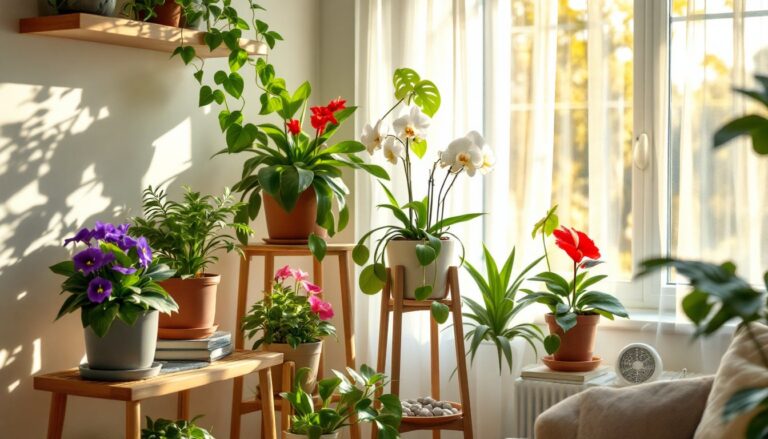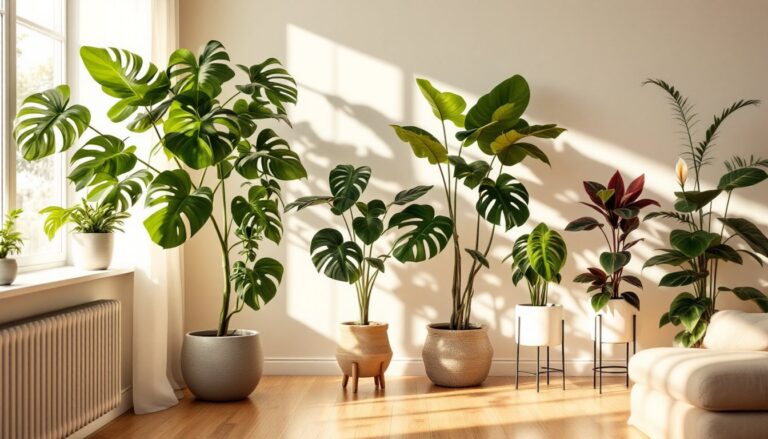
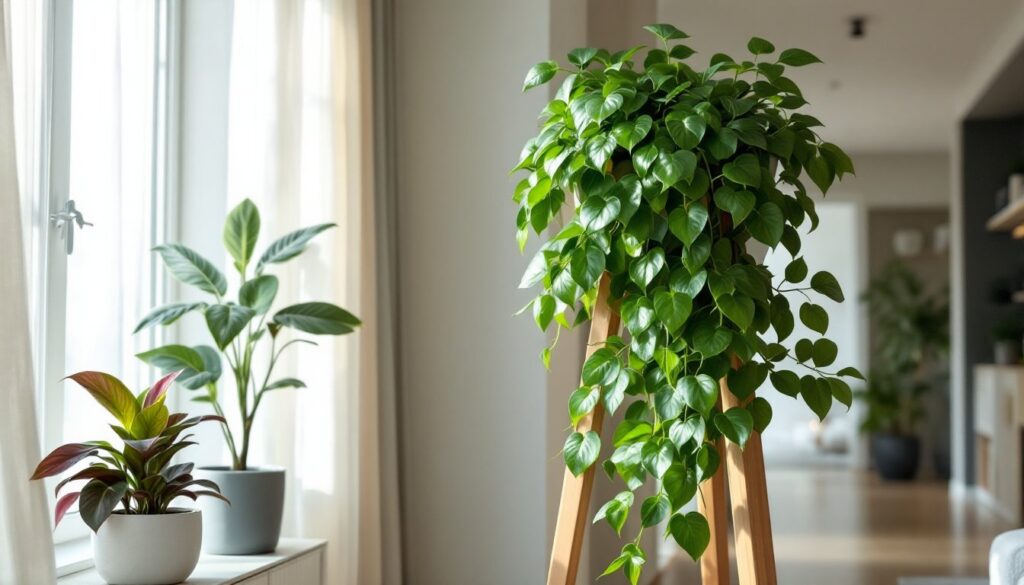
Not every room in your home gets blessed with direct sunlight, and that shouldn’t stop you from bringing greenery indoors. Low-light indoor plants are the practical solution for dark corners, windowless bathrooms, and basement living spaces. Unlike their sun-loving cousins, these shade-tolerant varieties thrive in moderate to low light, making them perfect for real homes with real layouts. Whether you’re working with a north-facing bedroom or an interior hallway, low-light plants add life and visual interest without demanding a sunny south-facing windowsill. This guide walks you through the best options, how to keep them healthy, and where to place them for maximum impact.
Table of Contents
ToggleKey Takeaways
- Indoor plants that don’t need sunlight like pothos, philodendrons, snake plants, and ZZ plants thrive in low-light conditions and are nearly impossible to kill, making them perfect for beginners.
- Overwatering is the leading cause of failure with shade-tolerant varieties; check soil moisture before watering and aim for every 7 to 14 days depending on temperature and humidity.
- Low-light plants that absorb carbon dioxide and release oxygen improve air quality while solving the design problem of empty, dimly-lit spaces like bathrooms, hallways, and basements.
- Fertilize low-light indoor plants sparingly—once every 6 to 8 weeks during growing season—since they grow slowly and don’t require the heavy feeding schedule of sun-loving varieties.
- Optimal placement for shade-tolerant plants includes north-facing windows, interior hallways, bathroom shelves, and office corners that receive a few hours of diffused light daily.
- Rotate low-light plants every 7 to 10 days to promote even growth, and wipe leaves monthly to keep pores open for gas exchange and maintain a fresh appearance.
Why Low-Light Plants Are Game-Changers for Home Décor
Low-light plants solve a real design problem: most homes have plenty of space that gets minimal sunlight, yet that space often feels empty or overlooked. By choosing shade-tolerant varieties, you can fill those neglected corners with living color and texture instead of relying on artificial décor that collects dust.
These plants are also forgiving for people new to houseplants. Because many low-light varieties grow slowly and require less frequent watering, they’re harder to kill through neglect. If you’re juggling a busy schedule or just starting your plant collection, they’re a solid entry point into indoor gardening.
From an air-quality perspective, low-light plants still work hard. They absorb carbon dioxide and release oxygen during photosynthesis, even when light levels are modest. Place them strategically, and you’re improving your home’s atmosphere while adding a visual element that makes spaces feel more complete and inviting.
Shade-Tolerant Plants That Thrive Without Direct Sunlight
Pothos and Philodendrons: The Easy-Care Champions
Pothos (Epipremnum aureum) and philodendrons are the workhorses of low-light indoor gardening. Both produce trailing vines with glossy, heart-shaped leaves that look great in hanging baskets or trailing down bookshelves. They’re nearly impossible to kill, which makes them ideal for beginners or low-maintenance spaces like offices and bedrooms.
Pothos adapts to almost any light condition short of complete darkness. Water it when the soil feels dry to the touch, usually every 7 to 10 days depending on temperature and humidity. Philodendrons are similarly forgiving, though they prefer slightly more consistent moisture than pothos. Both benefit from occasional pruning to encourage bushier growth and prevent legginess.
The beauty of these plants is their versatility. Train a pothos up a moss pole to create a vertical element, or let it cascade from a shelf. Philodendrons come in varieties like ‘Pink Princess’ (which has dark burgundy foliage with pink accents) or the classic green varieties. Both are Popular House Plants that fit into virtually any décor style.
Snake Plants and ZZ Plants: Hardiest Options
Snake plants (Sansevieria trifasciata) are architectural powerhouses. With their stiff, upright leaves and modern aesthetic, they look at home in contemporary or minimalist spaces. ZZ plants (Zamioculcas zamiifolia) offer softer, feathery leaflets that add texture without taking up much floor space.
Both are champions of neglect. Snake plants tolerate irregular watering and can handle weeks without attention. ZZ plants are equally tough, thriving in low light and forgiving of occasional missed waterings. The rule with both: err on the side of underwatering rather than overwatering. Their rhizomes and tubers store water, so they’re built for drought tolerance.
Snake plants are also known for being among the most effective air purifiers in the houseplant world, they’re often cited in NASA’s famous clean-air study. If you’re placing plants in a bedroom or bathroom where air circulation is limited, these two should be on your shortlist. Their slow growth means you won’t need to repot them frequently, another win for the busy homeowner.
Caring For Shade-Loving Plants Indoors
Low-light plants have different care needs than sun-loving varieties, and understanding those differences keeps them thriving. The biggest shift is watering frequency. In low light, photosynthesis happens more slowly, so plants use water more gradually. Overwatering is the leading cause of failure with shade-tolerant plants, too much moisture encourages root rot and fungal issues.
Always check the soil before watering. Stick your finger about an inch into the potting mix: if it feels damp, wait a few more days. For most low-light plants, watering every 7 to 14 days is typical, but adjust based on your home’s temperature and humidity. A cool room with lower humidity needs less frequent watering than a warm, dry space.
Fertilizing is where many DIYers make mistakes. Low-light plants grow slowly, so they don’t need the heavy feeding schedule of fast-growing varieties. A diluted liquid fertilizer applied once every 6 to 8 weeks during the growing season (spring and summer) is plenty. In winter, many shade plants enter dormancy and need no fertilizer at all.
Leaf dust accumulation is real, especially on plants with larger foliage. Every month or two, wipe leaves gently with a damp, soft cloth. This keeps pores open for gas exchange and makes the plant look fresher. For trailing plants like pothos, a gentle shower under lukewarm water works well. Avoid commercial leaf-shine products, they clog pores and can damage delicate foliage.
Repotting is rarely urgent with low-light plants since they grow slowly. Check every spring to see if roots are circling the pot. If they are, move the plant to a container just one size larger (2 inches in diameter is a reasonable jump). Use a quality potting mix designed for houseplants, not garden soil, indoor plants need better drainage and aeration. Recent studies on proper plant care emphasize the importance of well-draining soil mixtures for long-term plant health.
Where to Place Low-Light Plants for Maximum Impact
Placement matters as much as the plant itself. Low-light doesn’t mean no light, it means indirect light or rooms that receive a few hours of soft, diffused sunlight daily. A north-facing window that never sees direct sun is perfect. An east or west-facing room several feet back from the window works too.
Bathroomshave high humidity, which many shade plants love. Pothos and philodendrons thrive in bathroom moisture. Just make sure the bathroom has a window or ventilation fan to prevent stagnant, moldy air. A small ZZ plant or snake plant on the bathroom counter or a floating shelf adds life without consuming precious counter space.
Bedrooms and hallways are ideal for low-light plants because they typically have indirect light and stable temperatures. A trailing pothos in a corner catches ambient light from ceiling fixtures and windows without direct sun beating on it. Tall snake plants fill vertical space in narrow hallways without blocking foot traffic.
Offices and living rooms with interior walls or darker corners are perfect candidates. Place a low-light plant on a console table, bookshelf, or plant stand to draw the eye and soften the space. If you’re unsure whether a spot gets enough light, watch it for a few days. If you can read a book there without additional lighting, that spot will sustain most low-light varieties.
One practical note: rotating plants every few weeks helps them grow more evenly. Even in low light, plants lean slightly toward whatever light source exists. A quarter-turn every 7 to 10 days keeps growth balanced and the plant looking fuller. If a plant becomes noticeably spindly or pale, it’s telling you the light level is genuinely too low, move it a few feet closer to a window or light source. For comprehensive guidance on plant placement and styling, interior design resources offer detailed tips on integrating plants into living spaces.
Conclusion
Low-light indoor plants aren’t a compromise, they’re a practical, accessible way to green your home regardless of its layout or light conditions. From trailing pothos to architectural snake plants, shade-tolerant varieties offer real design and air-quality benefits without demanding constant attention. Start with one or two forgiving options, master their care routine, and expand from there. Your darker rooms will thank you.