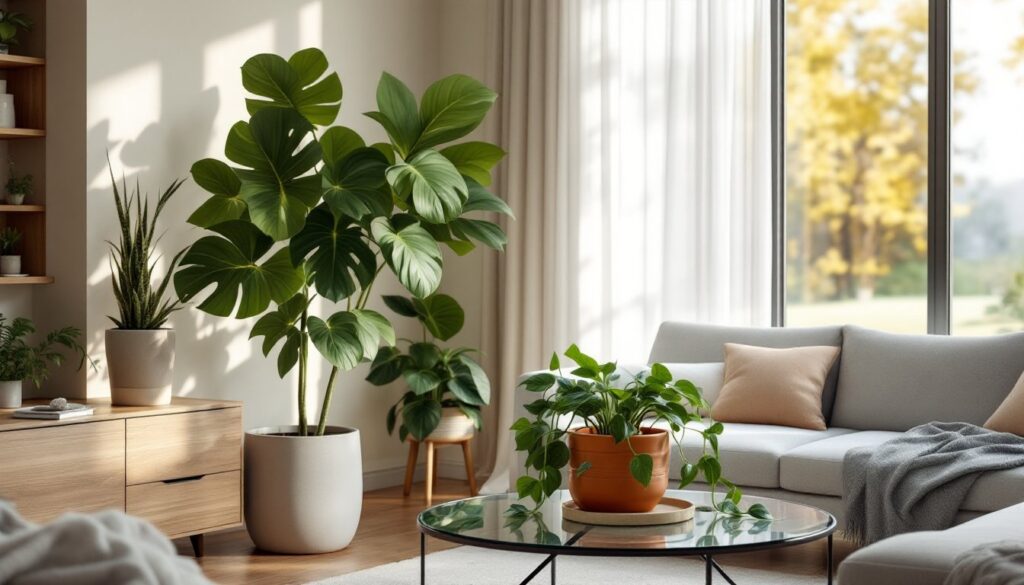
Indoor faux plants have come a long way from plastic-looking dustcatchers. Modern faux plants now mimic real foliage with impressive detail, textured leaves, natural color variations, and lifelike proportions, making them a smart choice for homeowners who want greenery without the watering schedule. Whether you’re dealing with low light, pets that nibble on real plants, or just don’t have time for plant care, indoor faux plants deliver the aesthetic payoff of living greenery with zero maintenance demands. This guide walks you through selecting, styling, and caring for faux plants so they stay looking fresh and intentional in your home.
Table of Contents
ToggleKey Takeaways
- Modern indoor faux plants offer realistic aesthetics with textured leaves, natural color variations, and zero maintenance, making them ideal for low-light spaces, pet-friendly homes, and busy schedules.
- High-quality faux plants are made from polyester, polyethylene, or silk with natural color gradations and leaf details, while cheap versions reveal plastic finishes and uniformly bright colors when examined closely.
- Proper sizing and placement are critical to making indoor faux plants look intentional—match detail quality to visibility, invest in quality ceramic or concrete planters, and group plants at varying heights to create visual density.
- Faux plants work best when styled as part of a composed vignette rather than as focal points, with strategic placement in corners, shelves, kitchens, and offices to maximize aesthetic impact.
- Monthly dusting with a soft microfiber cloth, protection from direct intense sunlight, and annual checks of leaf connections will keep faux plants looking fresh and convincing for years.
- Unlike real plants, indoor faux plants eliminate watering schedules, humidity concerns, and pet toxicity risks while maintaining full, vibrant foliage year-round in any room or challenging corner.
Why Indoor Faux Plants Are Worth the Investment
Real plants are rewarding, but they’re not forgiving. They need the right light, humidity, watering schedule, and occasional feeding. One missed week of care and a favorite plant wilts. Faux plants eliminate that guilt and commitment.
Beyond convenience, quality faux plants hold their value aesthetically. Unlike real plants that go dormant, drop leaves seasonally, or develop bare patches, faux plants stay full and vibrant year-round. This consistency matters when you’re trying to maintain a cohesive, polished look in a room.
Faux plants also work in spaces where real plants struggle. Dark corners, bathrooms with no windows, shelves near heating vents, these challenging spots become opportunities with artificial greenery. You can fill awkward spaces and achieve lush layering without gambling on whether a plant will survive there.
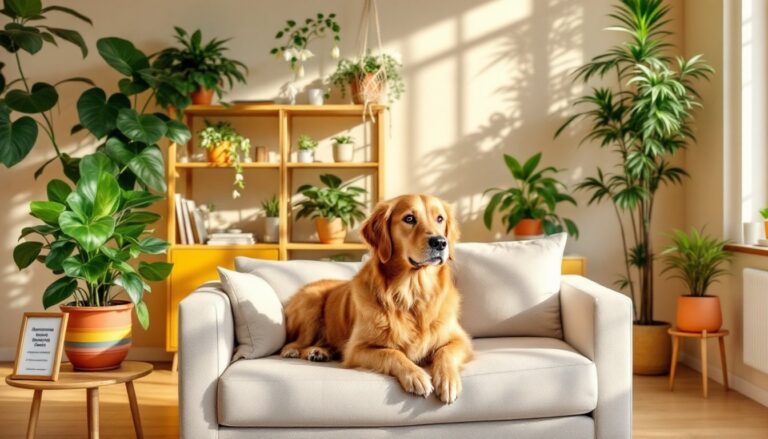
From a pet-safety perspective, faux plants let you add greenery without worry. Many common houseplants (like pothos, lilies, and philodendrons) are toxic to cats and dogs. With faux varieties, you get the style without the veterinary anxiety. Plus, they don’t shed soil all over your floor when kids or animals knock them over.
How to Choose High-Quality Faux Plants for Your Home
Not all faux plants look convincing. Cheap versions feel plasticky, have unnaturally bright colors, and fold up in ways real plants never would. The difference between a $15 faux plant and a $60 one is immediate once you touch them side-by-side.
Material Quality and Realism
Look for plants made from polyester, polyethylene, or silk materials rather than rigid plastic. These fabrics mimic natural texture and drape realistically. When examining a faux plant up close, check leaf veining, color gradation, and edge detail. Real plant leaves have imperfections, slight brown edges, color variation from light to dark green, asymmetrical shapes. Convincing faux versions replicate these quirks.
Tell-tale signs of low-quality faux plants include uniformly bright colors, plastic-shiny finishes, perfectly symmetrical leaves, and thin, bendable stems. High-quality versions use muted, layered tones with some stems that require posing into a natural shape.
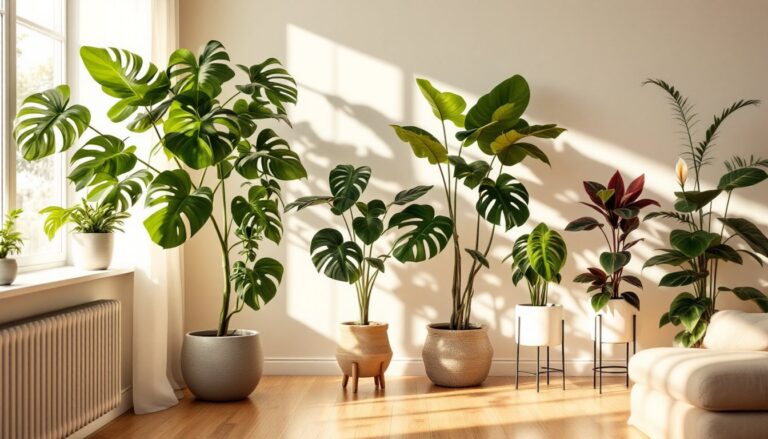
Consider where you’re placing the plant. A faux monstera in a dimly lit corner shelf will look credible from across the room. The same plant on a well-lit coffee table, viewed up close, reveals its artifice faster. Match detail quality to visibility and proximity.
Sizing and Placement Considerations
Proper sizing is critical, it’s the fastest way to undermine or elevate a room’s look. An undersized plant in a large space feels insufficient: an oversized one crowds the area. Measure your space first and note ceiling height, furniture scale, and traffic flow. A faux fiddle leaf fig works in a 9-foot corner but overwhelms a small bedroom.
Consider the pot as part of the visual impact. Cheap plastic pots cheapen the overall effect, even if the plant itself looks good. Invest in ceramic, concrete, or fabric planters that match your room’s finish and style. A high-quality faux plant in a thrifted vintage ceramic pot looks intentional. The same plant in a thin plastic container looks temporary.
Measure and visualize before buying. Bring a tape measure to the store or check product dimensions online. Note that listed heights often exclude the planter, so account for total visual height in your space.
Styling Faux Plants in Different Rooms
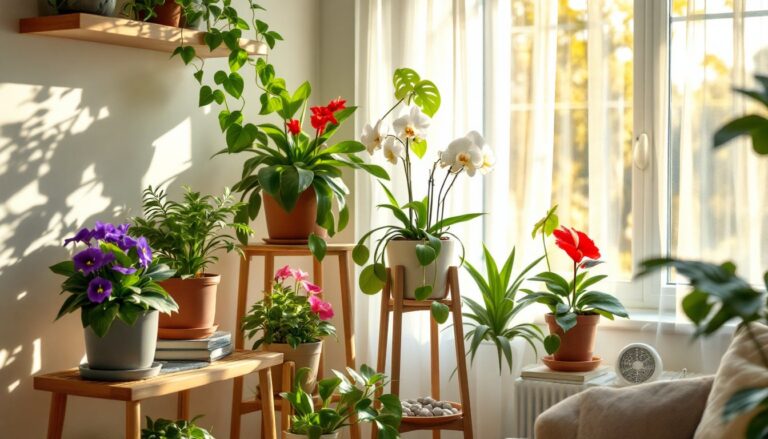
Faux plants work in every room if styled thoughtfully. In living rooms, group multiple faux plants at varying heights, tall plants anchor corners, medium plants sit on tables, small trailing varieties cascade from shelves. This layering creates visual interest and hides the artificial nature because viewers see density and variety, not individual plants up close.
Bedrooms benefit from faux plants on nightstands, dressers, or high shelves where they add softness without blocking light. Avoid placing them where you’ll stare at them from bed: that proximity makes artifice more obvious. Design sites like MyDomaine emphasize this principle, faux greenery works best when it’s one element in a composed vignette, not the focal point.
Kitchens and bathrooms are ideal for faux plants because humidity and temperature swings don’t harm them. Place small trailing faux herbs on windowsills (they’re purely decorative but visually echo real kitchen gardens) or group potted faux plants on open shelving. This works especially well in kitchens with few natural light sources where real herbs wouldn’t thrive.
Home offices and entryways are prime real estate for taller statement pieces. A tall faux plant in a corner fills vertical space, softens hard angles, and creates a grounded, professional atmosphere. Pair it with smaller plants on desks or console tables for cohesion.
For small apartments or spaces where space is at a premium, wall-mounted faux plants and hanging varieties maximize style without floor clutter. These work in studios, powder rooms, and tight hallways. Hanging a trailing faux pothos creates the feel of a living wall without installation complexity or plant-care liability.
Maintenance and Care Tips for Lasting Beauty
Unlike real plants, faux plants don’t need watering, fertilizer, or pruning. But they do need basic cleaning to stay looking fresh. Dust accumulates on leaves and dulls the color and texture that makes faux plants convincing.
Wipe down leaves monthly with a soft, dry microfiber cloth. For dustier environments or outdoor faux plants (yes, they exist for patios and porches), use a feather duster or soft brush. If dust is stubborn, lightly mist with water and wipe immediately. Never soak faux plants or submerge them, this can damage color coatings and loosen leaf attachments.
Keep faux plants out of direct, intense sunlight. Even though they don’t photosynthesize, prolonged UV exposure fades colors and can degrade materials over time. A plant in a bright south-facing window will look noticeably paler after a year or two. Position them in bright indirect light or rotate them periodically if they’re in a sunny spot.
Check stem and leaf connections annually. Quality plants have secure glue bonds, but occasionally a leaf loosens. If this happens, a small dab of clear adhesive or even hot glue reattaches it. Keep hardware (pots with drainage holes) clean, if a faux plant sits in standing water from watering nearby real plants, it can discolor or corrode.
Refresh arrangements seasonally. Swap out small accent plants, rearrange heights, or change planters without replanting. This costs nothing but keeps displays feeling intentional rather than static. Resources like Freshome highlight how subtle styling shifts, rotating plants, adding new accessories, maintain visual interest over time.
If a faux plant starts looking tired after several years, replacement is usually more practical and affordable than repair. Budget-friendly faux plants cost $20–$50, so refreshing your collection occasionally is part of the investment rather than a failure.
Conclusion
Indoor faux plants aren’t shortcuts, they’re a legitimate design tool that fills specific needs. When chosen with attention to material quality and styled with intention, they blend seamlessly into a home’s aesthetic. They work in light-challenged spaces, pet-friendly homes, and busy schedules. The key is honest selection, thoughtful placement, and basic maintenance to keep them looking their best for years to come.