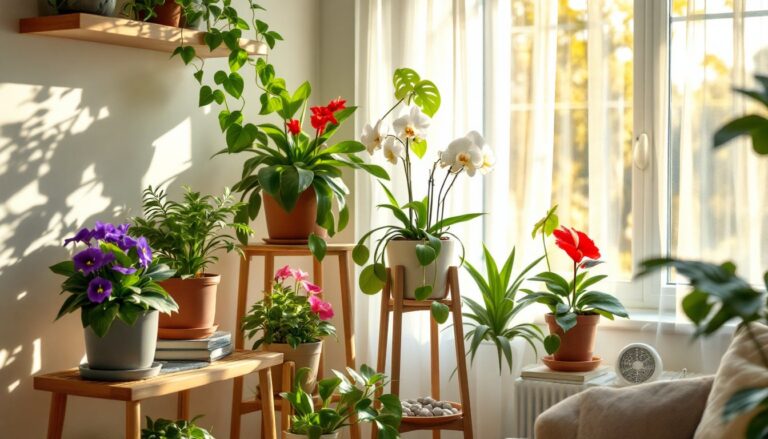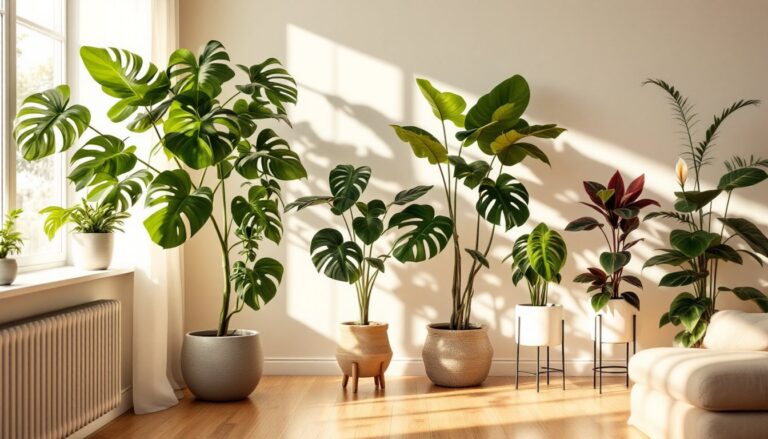
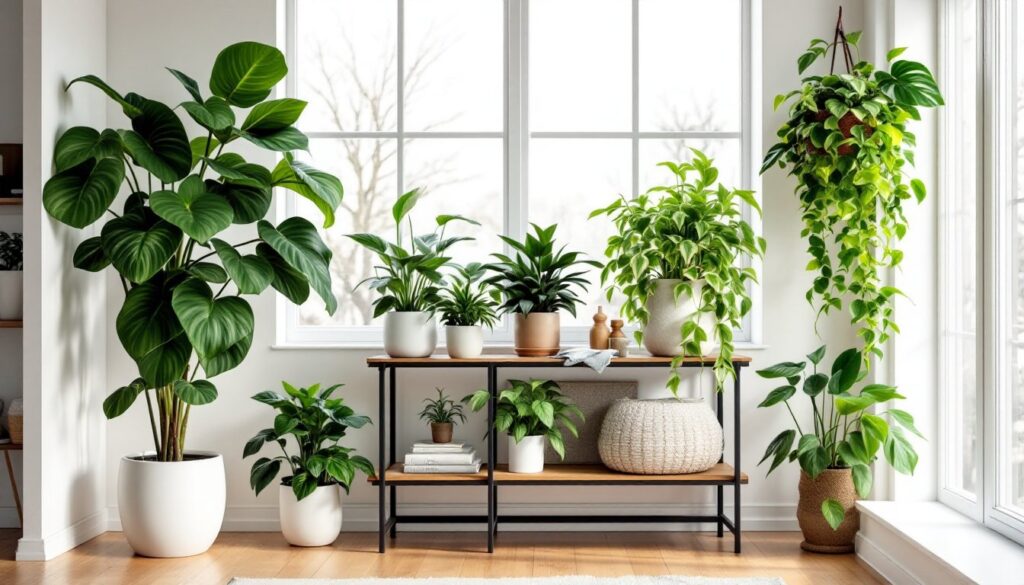
Your home should be a refuge, but indoor air quality often gets overlooked. Heating, cooling, and everyday activities trap dust, allergens, and volatile organic compounds (VOCs) inside walls. While air purifiers work overtime, indoor plants offer a natural, beautiful alternative, or complement, that actually clean the air while adding life to your living spaces. This isn’t lifestyle magazine talk: it’s science. Certain houseplants actively remove toxins and increase oxygen levels, making them practical additions to any room. Whether you’re furnishing a bedroom, office, or living area, air-purifying plants deliver both form and function. Let’s explore which plants work hardest, how to grow them, and how to position them for maximum impact.
Table of Contents
ToggleKey Takeaways
- Multiple indoor plants for air quality work as a distributed system by absorbing harmful toxins like formaldehyde, benzene, and xylene through their leaves while soil microbes break down chemicals into harmless compounds.
- Snake plants and pothos are the most resilient air-purifying plants, thriving in low light and dry conditions, making them ideal for bedrooms and offices where air purification matters most.
- Proper indoor plant care requires well-draining soil, consistent moisture levels tailored to each plant type, bright indirect light for most species, and regular dusting to maintain toxin absorption efficiency.
- Strategic placement of air-purifying plants—such as grouping varying heights in living rooms or clustering plants in kitchens—amplifies both air quality and aesthetic impact while creating visual interest.
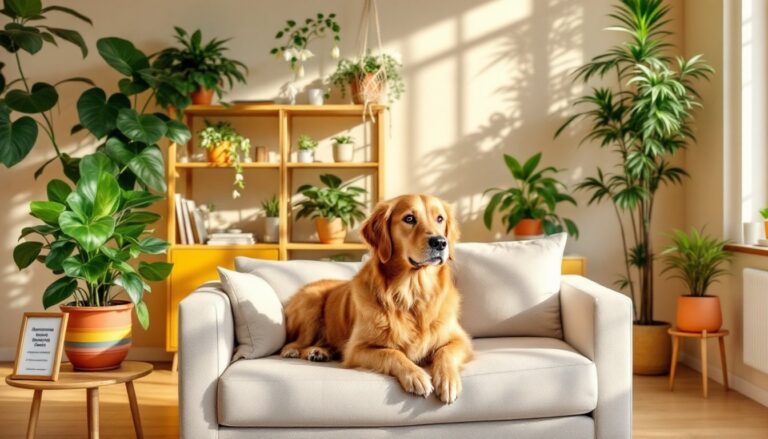
- Many air-purifying plants like spider plants, Boston ferns, and peace lilies are non-toxic to pets, offering safe design options for homes with cats and dogs.
- Start with one or two resilient indoor plants and expand gradually once you understand their care needs, building a sustainable system that improves air quality over time.
Why Indoor Plants Matter For Home Air Quality
Most homes contain invisible air quality problems. Synthetic materials, carpeting, paint, and furniture off-gas formaldehyde, benzene, and xylene, chemicals the EPA identifies as common indoor pollutants. Conventional air filters catch dust and particles, but they don’t address all chemical vapor. Plants work differently. Their leaves absorb gases through stomata (tiny pores), and soil microbes break down toxins into harmless compounds. NASA research from the 1980s documented this process in sealed space stations, and decades of studies have confirmed it works in regular homes too.
The catch? A single potted plant won’t clean a whole house. One philodendron won’t offset poor ventilation or heavy off-gassing. But multiple plants across key areas, especially bedrooms and offices where you spend hours breathing, meaningfully improve air quality over time. Think of them as a distributed system, not a single solution. They also increase humidity through transpiration, which helps respiratory comfort, especially in dry, heated winters.
Top Air-Purifying Plants Every Homeowner Should Know
Snake Plants, Pothos, and Spider Plants
Snake plants (Sansevieria) are the warrior of air purification. They’re nearly indestructible, thrive in low light, and remove formaldehyde and benzene. Water sparingly, let soil dry between waterings, because overwatering kills them faster than neglect. A mature snake plant grows 2–4 feet tall and fits beside a bed or in a dim corner office.
Pothos (Devil’s Ivy) is equally resilient and faster-growing. Hang it as a trailing vine or train it up a moss pole. It absorbs xylene, formaldehyde, and benzene while tolerating inconsistent watering and low light. Pair pothos with popular house plants that complement it in shadier areas.
Spider plants produce dangling babies while filtering airborne toxins. They prefer bright, indirect light and consistent moisture but bounce back quickly if you forget watering days. Place them on shelves or in hanging baskets where their arching leaves create visual interest.
Peace Lilies, Rubber Plants, and Boston Ferns
Peace lilies offer reliable air purification plus a bonus: they droop noticeably when thirsty, acting as a built-in watering reminder. They remove ammonia, benzene, and formaldehyde and thrive in medium to low indirect light. Their white flowers add understated elegance without demanding attention.
Rubber plants (Ficus elastica) are showstoppers. Large, glossy leaves remove formaldehyde effectively. They need bright, indirect light and can grow 4–8 feet indoors with time. Water when the top inch of soil dries: they prefer consistency. Their substantial size makes them focal points in living rooms or dens, and best house plants lists often highlight them for scale and visual impact.
Boston ferns filter formaldehyde and xylene while adding humidity. They’re pickier than other options, they want bright, indirect light and consistently moist (not soggy) soil. In dry climates or winter heating, mist them regularly. The payoff is lush, feathery fronds that soften hard architectural lines.
How to Care For Air-Purifying Plants Indoors
Success starts with proper potting. Use well-draining potting soil, not garden soil, because indoor containers lack the drainage of outdoor beds. For most plants, a pot with a drainage hole is non-negotiable. If aesthetics demand a pot without drainage, use a nursery pot inside a decorative cache pot. Spider plants, ferns, and peace lilies like consistently moist soil: snake plants and pothos prefer drier conditions between waterings. The heuristic: stick your finger in the soil. If the top inch is dry, water. If it’s moist, wait.
Light is next. Snake plants and pothos tolerate low light but don’t thrive in complete darkness. Spider plants and rubber plants want bright, indirect light, a north-facing window or a few feet from a south-facing one. Peace lilies adjust to medium light but produce more flowers with brightness. Ferns prefer diffused, bright indirect light without harsh direct sun that bleaches leaves.
Humidity matters, especially in winter. Most tropical plants appreciate occasional misting or a nearby humidifier. Grouping plants together also raises ambient humidity as they transpire. In very dry conditions, ferns struggle: they’re the picky roommate. Rotate plants quarterly so all sides receive light evenly, preventing one-sided growth.
Fertilize lightly during growing season (spring and summer) with a balanced, diluted liquid fertilizer. In dormancy (fall and winter), plants need minimal nutrients, so skip fertilizing. Repot every 1–2 years if the plant becomes root-bound, when roots circle the soil surface or emerge from drainage holes.
Toxins build up on leaves over time, reducing absorption efficiency. Dust snake plants and rubber plants monthly with a soft, damp cloth. Spider plants and ferns benefit from occasional gentle rinsing under cool running water. This also helps you spot pests early, though indoor air-purifying plants rarely face serious infestations if kept healthy.
Designing Your Home With Air-Cleaning Plants
Strategic placement amplifies both air quality and aesthetics. Bedrooms should have at least one plant, snake plant or pothos thrive here because they tolerate lower light and don’t demand fussy watering during groggy mornings. A 3–4 inch potted snake plant fits a nightstand: a larger 6–8 inch specimen anchors a corner.
Offices and home workspaces benefit from pothos on high shelves or rubber plants as desk focal points. Studies indicate that visible plants reduce stress and improve focus, so position them where you’ll see them throughout the day. The Spruce offers comprehensive guides on plant placement in various rooms, helping balance décor with functional air purification.
Living rooms can handle larger specimens. A mature rubber plant or Boston fern becomes furniture. Group three plants of varying heights, say, a rubber plant standing 5 feet tall, a peace lily at 2 feet, and trailing pothos at eye level on shelving, to create dynamic visual layers while maximizing air-cleaning coverage.
Bathrooms are humidity havens. Ferns, peace lilies, and spider plants flourish near showers or sinks where moisture naturally rises. But, avoid dim windowless bathrooms unless you supplement with grow lights. Kitchens see airborne cooking particulates and VOCs from cleaning products, making them prime spots for plant clusters. Air-purifying plants are especially effective in kitchens and food-prep areas where fresh, clean air matters most.
Don’t overcrowd. Rooms with too many plants become jungle-like and harder to maintain. Aim for one plant per 100–150 square feet as a baseline, adjusting for light availability and your care commitment. If you have cat-safe house plants requirements due to pets, many air-purifying options, spider plants, Boston ferns, and prayer plants, are non-toxic to cats and dogs, broadening your design options safely.
Conclusion
Indoor plants for air quality aren’t a gimmick, they’re a straightforward way to improve your home environment while adding greenery that makes spaces feel alive. Snake plants handle neglect in dark corners, pothos climb shelves with minimal fuss, and ferns soften bathrooms while working hard. The key is matching plants to your light, humidity, and care style. Start with one or two resilient options, learn their rhythms, then expand. Your home’s air quality, and your satisfaction, will thank you for it.