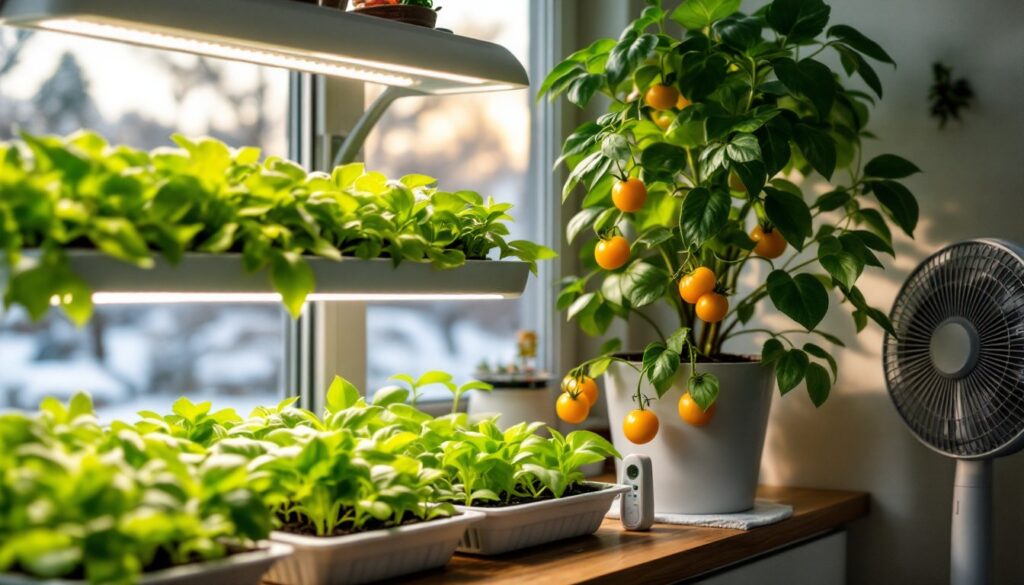
Winter doesn’t have to mean the end of fresh vegetables at your table. Growing vegetables indoors transforms a sunny windowsill, basement corner, or spare shelf into a productive garden that yields lettuce, herbs, tomatoes, and peppers year-round. Unlike outdoor gardening, which depends on season, climate, and unpredictable pests, indoor growing gives you total control over light, temperature, humidity, and nutrients. Whether you’re in a cramped apartment or a suburban home with space to spare, you can harvest homegrown vegetables on your schedule. This guide walks you through exactly what you need, which crops work best indoors, and how to keep them thriving.
Table of Contents
ToggleKey Takeaways
- Indoor vegetable plants eliminate seasonal constraints and environmental challenges like pests, frost, and soil-borne diseases while giving you complete control over light, temperature, and humidity year-round.
- Leafy greens (lettuce, spinach, kale) and herbs are the easiest indoor vegetable plants to grow, reaching maturity in 3–6 weeks with minimal light requirements, while compact tomato and pepper varieties deliver impressive yields under grow lights.
- A basic indoor vegetable setup requires full-spectrum LED grow lights (mounted 6–12 inches above plants), quality potting mix with good drainage, consistent watering (checking soil moisture before adding water), and proper air circulation to prevent disease.
- Fruiting plants like ‘Tiny Tim’ tomatoes and ‘NadaPeño’ peppers need 12–16 hours of daily light, hand-pollination or a small fan, and bi-weekly fertilizing once flowering begins to produce 100+ harvests per plant.
- Success with indoor vegetable plants depends on consistency: maintaining stable temperatures (65–75°F), avoiding overwatering (the #1 mistake), monitoring light levels weekly, and starting small with a single lettuce tray to learn the rhythm before expanding.
Why Grow Vegetables Indoors
Indoor vegetable gardening beats outdoor gardening when you’re after year-round harvests, consistent yields, and peace of mind. No frost warnings, no squirrels destroying your peppers, no soil-borne diseases waiting to wreck your tomatoes. You control the entire environment, light duration and intensity, air temperature, humidity, and watering, so plants stay healthy and productive no matter what’s happening outside.
The learning curve is gentler too. Beginners often struggle with outdoor pests, soil prep, and timing. Indoors, you eliminate most of those variables. You’ll also use far less water than outdoor gardens, and there’s no weed-pulling in the mud. For city dwellers and folks with limited space, indoor gardening means fresh salads from a shelf unit in the kitchen, not a backyard lot you don’t own.
One more bonus: indoor house plants improve air quality while you’re growing food. That’s a win-win. Tomatoes, peppers, and lettuce aren’t just edible: they’re green life in your home.
Best Vegetables to Grow Indoors
Not every vegetable thrives under lights or in a windowsill. Root crops and sprawling vines usually demand too much space or soil depth. Focus on what actually works: leafy greens, herbs, and compact fruiting plants that produce heavily in small footprints.
Leafy Greens and Herbs
Lettuce, spinach, arugula, and kale are the superstars of indoor gardening. They grow in shallow soil (4–6 inches deep), tolerate lower light than fruiting plants, and deliver cuts within 3–4 weeks. Mesclun mixes and leaf lettuce varieties like Buttercrunch and Oak Leaf are fast and forgiving. Plant seeds in seed trays or small pots and harvest outer leaves continuously while the center keeps growing.
Herbs, basil, parsley, cilantro, chives, and oregano, are equally easy and infinitely useful at the kitchen counter. Basil especially rewards frequent harvesting with bushier growth. Most herbs need 6–8 hours of bright light daily and moderate watering. Unlike lettuce, herbs live longer and produce steadily for months, making them ideal for dedicated shelf space. Start from seeds or transplants: both work fine indoors.
Rarely will you have pest issues with leafy greens indoors. Aphids and spider mites can appear, but they’re rare and easily managed with a spray of insecticidal soap or neem oil at the first sign.
Compact Fruiting Plants
Tomatoes and peppers are trickier than greens but absolutely doable. Choose determinate (bush) varieties, not sprawling indeterminate types, so plants stay under 2–3 feet tall. ‘Tiny Tim’ tomatoes and ‘Patio’ varieties produce manageable yields. Compact peppers like ‘Apache’ and ‘NadaPeño’ flower and fruit well under lights.
Fruiting plants demand more light: 12–16 hours per day under grow lights, plus consistent temperatures between 65–75°F. They also need hand-pollination or a small fan in the room to shake pollen onto the stigil when flowers open. Skip gimmicks like pollination wands: a small oscillating fan on low speed running 2–4 hours daily mimics wind and gets the job done.
Both tomatoes and peppers need rich soil with good drainage. Plant them in 5–gallon containers at minimum and use a quality potting mix amended with compost. Fruiting plants are heavier feeders than greens: expect to fertilize every 2–3 weeks once flowering starts. The payoff is worth it: a single ‘Tiny Tim’ plant yields 100+ cherry tomatoes, and a ‘NadaPeño’ pepper plant produces dozens of small hots.
Essential Growing Setup and Supplies
You don’t need a greenhouse or thousands of dollars in gear. A basic setup requires light, containers, soil, and a way to maintain humidity and air flow. Here’s the minimum:
Lighting is non-negotiable. A south-facing window with 6+ hours of direct sun works for lettuce and herbs, but for tomatoes and peppers, supplemental grow lights are essential. LED full-spectrum grow lights (5000K–6500K color temperature) are efficient, affordable, and don’t waste energy as heat. A 2-foot T5 fluorescent fixture or budget LED panel (24–48 inches) costs $40–150 and covers a 2×2–foot growing area. Mount lights 6–12 inches above plants: adjust height as they grow. Timers ($10–20) automate light cycles so you don’t manually switch lights on and off daily.
Containers vary by crop. Use 4–inch pots for herbs and lettuce, 6–8-inch pots for larger greens, and 5-gallon buckets or pots for tomatoes and peppers. Drainage holes are mandatory, no standing water. Saucers underneath catch excess water and protect floors.
Soil matters more indoors than outdoors. Regular garden soil compacts and drains poorly in pots. Use a potting mix (like Miracle-Gro Potting Mix or similar) or make your own: 1 part peat moss or coco coir, 1 part perlite, 1 part compost. This blend drains well, retains moisture, and supports root development without staying soggy.
Humidity and air circulation prevent fungal diseases. Indoors, air is often dry, especially near heating vents. Group pots together (plants release moisture, raising humidity), mist foliage daily, or set a small $20–30 USB humidifier nearby. A small oscillating fan on low speed (2–4 hours daily) moves stale air, strengthens stems, and aids pollination in fruiting plants.
Fertilizer supplements what’s in your potting mix. Once seedlings have true leaves or transplants show growth, begin feeding with a balanced, water-soluble fertilizer (like a diluted all-purpose 10-10-10 blend) every 2–3 weeks for greens, weekly or bi-weekly for fruiting plants once flowering begins. Follow label rates, overdoing it burns roots. Organic options (fish emulsion, compost tea) work too: they’re slower but gentler.
Optional but useful: a small spray bottle ($5–10) for misting, a basic soil moisture meter ($10–15) if you struggle with watering, and labels to track what you planted and when. Resources like Better Homes & Gardens feature detailed indoor gardening diagrams that can guide container placement and light positioning.
Care and Maintenance Tips
Success indoors hinges on consistency. Plants can’t adjust to neglect or wild swings the way outdoor crops do.
Watering is the #1 killer mistake. Indoors, soil dries slower than outside, yet people often overwater. Check soil moisture with your finger: if the top ½ inch is dry, water until it drains from the bottom. If it’s moist, wait. Most potted greens need water every 1–2 days: fruiting plants need more once they’re large, sometimes daily. Use room-temperature water, cold water shocks roots.
Temperature matters. Most vegetables prefer 65–75°F day and 55–65°F night. Avoid spots near heaters, cold drafty windows, or air-con vents that swing temps wildly. Peppers especially hate temperature swings and drop flowers or fruit if conditions yo-yo.
Monitor light carefully. Seedlings under lights show pale, stretched growth if light is too weak or too far away. Conversely, lights too close will burn foliage. A good rule: 6–12 inches above plants is the sweet spot for most LEDs. Adjust weekly as plants grow. Greens tolerate lower light (8–10 hours daily): fruiting plants need 12–16 hours. Set a timer so you’re not guessing.
Pest and disease watch. Indoor pests are rare, but spider mites and whiteflies can hitchhike indoors on transplants. Inspect new plants before bringing them into your growing area. If bugs appear, isolate the infected plant, spray with insecticidal soap, and repeat every 3–5 days. Powdery mildew (white coating on leaves) means poor air circulation or high humidity, run a fan more often and space pots to improve airflow.
Thinning and pruning keep plants productive. When seedlings have 2–3 true leaves, thin to the strongest one per pot (remove extras with scissors, don’t pull). For tomatoes and peppers, remove flower buds in the first 4–6 weeks so plants focus energy on growing larger before fruiting. Once they’re 6–8 inches tall, allow flowering to start. Pinch off dead leaves and leggy stems to encourage bushier growth.
Seed-to-harvest timeline varies: lettuce and greens 3–4 weeks, herbs 4–6 weeks, tomatoes and peppers 8–12 weeks from seed to first harvest. Direct sowing seeds indoors is fine, or buy transplants from a nursery to skip early stages. References like Gardenista’s DIY indoor growing guide offer additional strategies for root vegetables and nitrogen-fixing legumes if you want to expand beyond basic salad crops. Start small, a single lettuce tray and a few herb pots, so you learn the rhythm without getting overwhelmed.
Conclusion
Indoor vegetable gardening isn’t mystical or complicated: it’s just controlled environment farming on a kitchen scale. Greens and herbs deliver fast wins, while tomatoes and peppers let you expand your skills once you’re comfortable. Begin with lights, decent soil, consistent watering, and patience. The payoff is fresh, homegrown vegetables 365 days a year, and a tangible reminder that you can grow your own food, even indoors. Start simple, and let results guide your next steps.