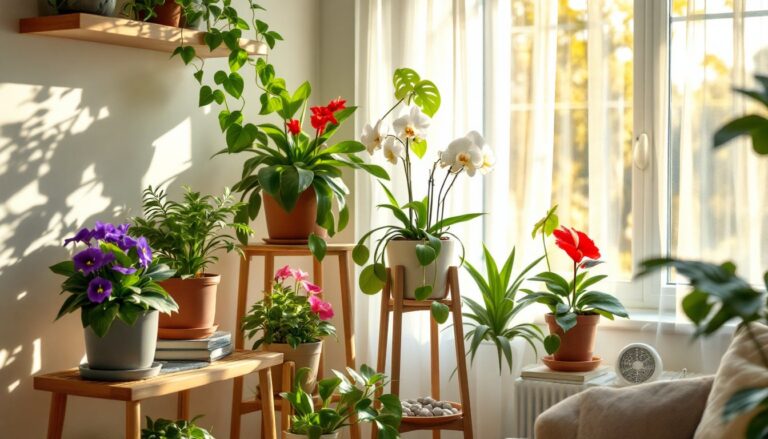
Most homeowners don’t realize how much their indoor air quality shapes their daily comfort and health. Poor ventilation, cooking fumes, and off-gassing from furniture and finishes trap pollutants inside, sometimes at concentrations higher than outdoor air. The good news? You don’t need expensive air filters or complicated HVAC overhauls to make a real difference. Indoor plants to purify air have been proven to naturally absorb toxins like formaldehyde, benzene, and xylene while boosting oxygen levels. Better still, they look good doing it. Whether you’re tending a sunny kitchen windowsill or a dim bedroom corner, there’s a plant that fits your space and your habit of forgetting to water things.
Table of Contents
ToggleKey Takeaways
- Indoor plants to purify air naturally absorb toxins like formaldehyde, benzene, and xylene while boosting oxygen levels—a proven strategy documented by NASA researchers for improving home air quality.
- Snake plants and pothos are nearly indestructible air-purifying plants ideal for low-light spaces like bedrooms and bathrooms, requiring minimal watering and thriving on neglect.
- Chrysanthemums and dracaenas deliver stronger air-cleaning performance in bright, indirect light but demand more consistent care with proper moisture and humidity levels.
- The most common indoor plant killer is overwatering; use pots with drainage holes and water only when soil feels dry about 1 inch deep to prevent root rot.
- While indoor plants complement mechanical ventilation and regular cleaning, they work 24/7 at zero electricity cost and also raise humidity, reduce dust, and enhance your living environment’s aesthetic appeal.
Why Indoor Air Quality Matters for Your Home
Your home is where you spend the most time, yet many of us never stop to think about what we’re breathing. The U.S. Environmental Protection Agency reports that indoor air can be two to five times more polluted than outdoor air. Paint, varnish, new carpeting, pressed wood furniture, and cleaning products all release volatile organic compounds, VOCs that linger for months or years.
Worse, poor ventilation traps these chemicals inside. Modern homes are built tighter than ever for energy efficiency, which is great for heating bills but terrible for air quality. That’s where air-purifying plants come in. Through a process called phytoremediation, they absorb harmful gases through their leaves and roots, breaking them down and converting them into harmless compounds. NASA researchers studying how to purify air in spacecraft documented this effect decades ago, and the findings hold up: certain houseplants genuinely clean the air you breathe.
Adding indoor plants to purify air also raises humidity levels, reduces dust, and creates a more pleasant living environment. You’re not replacing mechanical ventilation or air purifiers, good HVAC maintenance and opening windows still matter, but plants are an easy, attractive complement that works 24/7 with zero electricity.
Top Air-Purifying Plants for Every Room
The best air-purifying plant is the one you’ll actually keep alive. Different rooms offer different light and moisture conditions, so choose accordingly. Here are the most reliable performers.
Low-Light Champions: Snake Plants and Pothos
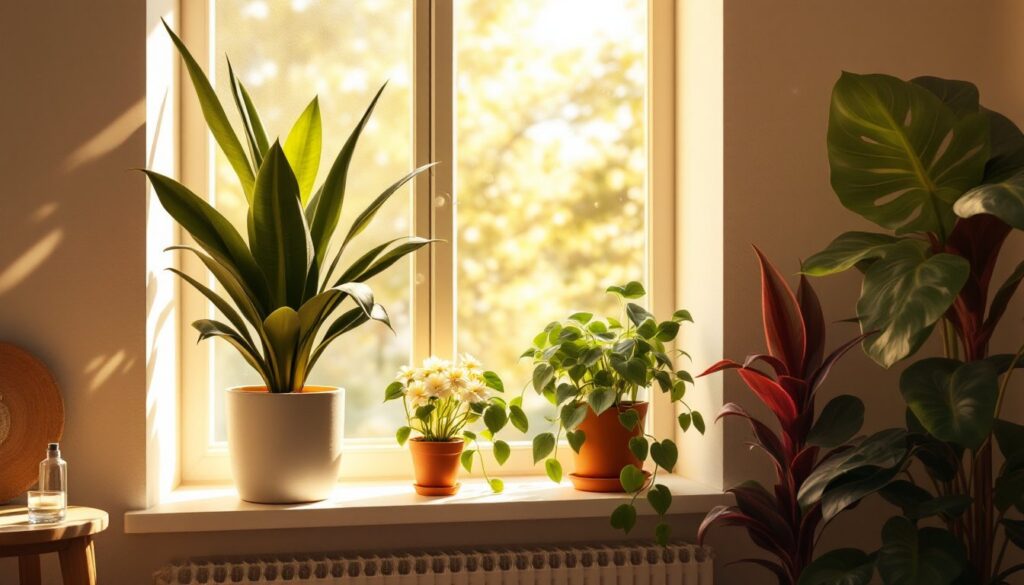
If your bedroom, bathroom, or hallway gets minimal natural light, snake plants (Sansevieria trifasciata) are your answer. They’re nearly indestructible, thriving on neglect and low light, and they remove formaldehyde, benzene, and xylene from the air. Water them sparingly (every 2–3 weeks) and they’ll reward you with tall, architectural leaves that fit any décor. Snake plants produce oxygen at night, making them ideal bedside companions.
Pothos (Epipremnum aureum), also called devil’s ivy, is equally tough and just as effective. This trailing plant grows fast even in dim light and adapts to almost any temperature. It removes formaldehyde and other toxins while being genuinely hard to kill, even if you forget to water it for weeks. Hang it in a bathroom or tuck it on a high shelf: it’ll cascade gracefully and work quietly in the background. Research from the best houseplants for purifying air shows both species rank among the top performers.
Bright Spot Favorites: Chrysanthemums and Dracaenas
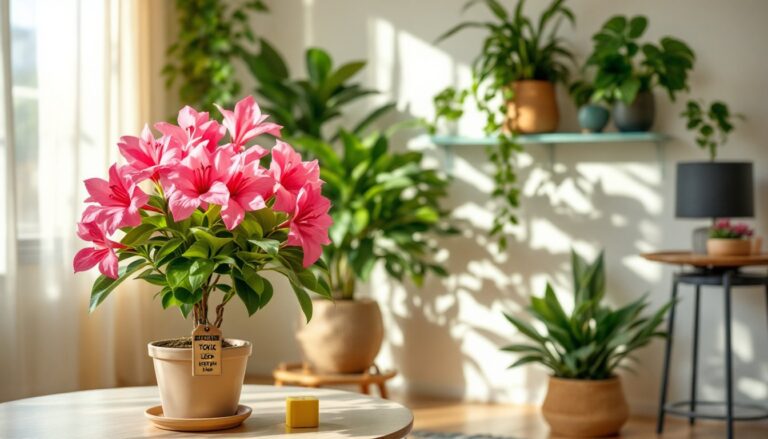
Chrysanthemums (Chrysanthemum morifolium) demand bright, indirect light and reward you with cheerful flowers while pulling benzene, formaldehyde, ammonia, and xylene from the air. They’re one of the most effective air cleaners, but they’re also fussier than pothos or snake plants. Keep soil consistently moist (not soggy), provide humidity, and give them plenty of light. A sunny kitchen or living room window is ideal. Once blooms fade, many growers compost them, though they can rebloom with proper care.
Dracaenas come in several varieties, Dracaena marginata (red-edged dracaena) and Dracaena fragrans (corn plant) are the most common, and all excel at removing formaldehyde, benzene, and trichloroethylene (TCE). They’re taller plants that fill vertical space without taking up floor area, perfect for corners or beside furniture. Dracaenas prefer bright, indirect light and minimal watering. They grow slowly, so patience is required, but they’re attractive and long-lived. According to air-purifying houseplants guides, dracaenas consistently appear in top recommendations.
For homes with cats or dogs, check before bringing in any plant. Snake plants and pothos are toxic if ingested, so they’re best kept out of reach of curious pets. Look for cat safe house plants if you have feline friends, or place toxic plants on high shelves or in rooms pets don’t frequent.
How to Care for Your Air-Purifying Plants
Buying a plant is easy: keeping it alive requires understanding its needs. Here’s the honest breakdown.
Watering is the most common killer. Most indoor plants prefer soil that’s moist but not wet. Stick your finger into the soil about 1 inch deep: if it feels dry, water thoroughly until it drains from the pot’s bottom. If it feels moist, wait. Snake plants and pothos tolerate neglect and even prefer drying out between waterings. Chrysanthemums like consistent moisture but not soggy conditions. Overwatering causes root rot faster than underwatering kills foliage.
Use pots with drainage holes, always. A pot without drainage traps water and kills roots. The pot should be only slightly larger than the root ball: too much empty soil stays wet and encourages rot. As plants grow, repot them in spring into a container 1–2 inches larger in diameter.
Light matters immensely. Snake plants and pothos tolerate low light but prefer bright, indirect light if available. Chrysanthemums and dracaenas need bright, indirect light, near (but not directly in) a sunny window. Direct afternoon sun can scorch leaves, especially through glass in summer. Rotate plants every few weeks so all sides get light and growth stays balanced.
Humidity helps most houseplants. Bathrooms naturally provide it: other rooms may need a boost. Mist leaves weekly with a spray bottle, set pots on a tray filled with pebbles and water (the pot sits on pebbles, not in water), or group plants together so they raise each other’s humidity. Wipe dust off leaves monthly with a soft, damp cloth, dusty leaves can’t breathe or photosynthesize effectively.
Feed sparingly. Most indoor plants need feeding only during the growing season (spring and summer), usually every 4–6 weeks with a diluted, balanced fertilizer. Snake plants and pothos need even less: dracaenas and chrysanthemums benefit more from occasional feeding. Follow package directions and don’t overdo it: too much fertilizer burns roots and wastes money.
Check your home’s other best house plants for care comparisons and specific guidance. Different species have different rhythms, and learning them saves frustration.
Conclusion
Air-purifying indoor plants aren’t a magic bullet, you still need good ventilation and regular cleaning, but they’re an affordable, beautiful, and genuinely effective way to improve indoor air quality. Start with a forgiving plant like pothos or a snake plant in whatever light your room offers. Once you see how easy they are to maintain, add a chrysanthemum for your bright kitchen window or a dracaena for your living room corner. Over time, a few well-placed plants make a measurable difference in how your home feels and the air your family breathes.