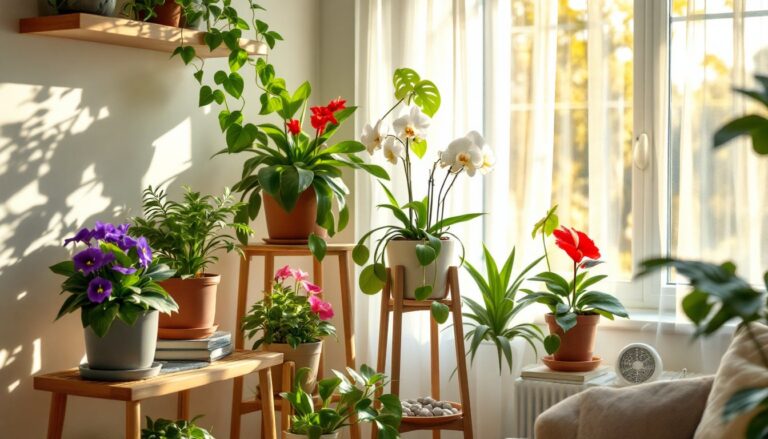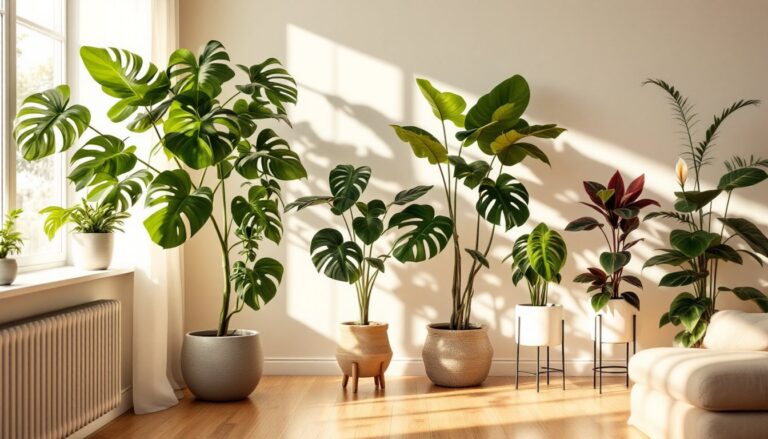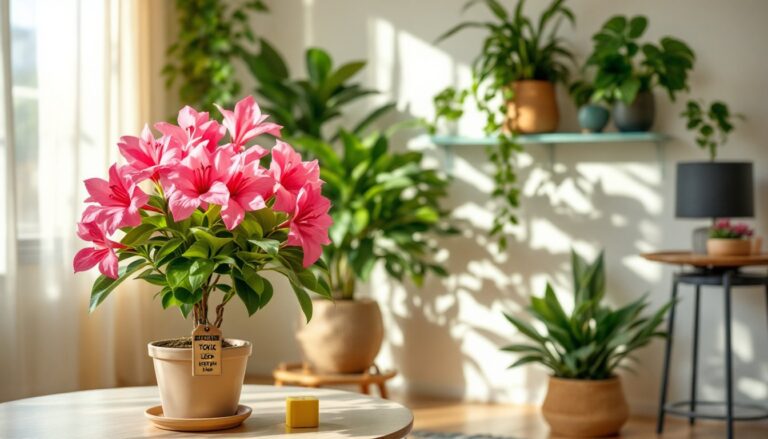
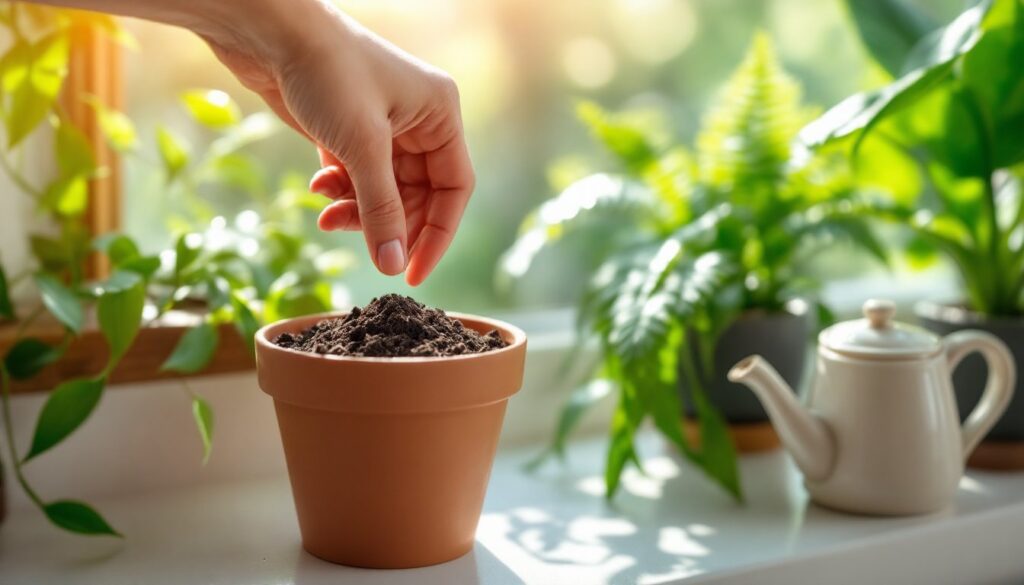
Watering indoor plants seems straightforward, just pour water, right? Wrong. The line between a thriving plant and a brown, wilted mess is thinner than most people think, and it usually comes down to watering habits. Whether you’re tending to a collection of easy-to-care succulents or nursing a finicky fiddle leaf fig, understanding how often to water indoor plants is the foundation of plant parenthood. This guide walks you through the practical steps to keep your houseplants healthy, from checking soil moisture to adjusting your schedule with the seasons. No guesswork, no Pinterest nonsense, just solid advice for growing greenery indoors.
Table of Contents
ToggleKey Takeaways
- Use the finger test by inserting your index finger about an inch into the soil to check moisture before watering indoor plants, as this simple method is more reliable than guessing or following a calendar.
- Adjust your watering frequency seasonally—reduce watering by 25–50% during fall and winter dormancy, then increase during spring and summer when plants actively grow and transpire more water.
- Ensure proper drainage in every pot and empty saucers 15–20 minutes after watering to prevent root rot, the most common cause of plant death from overwatering.
- Different plant types have vastly different water needs: drought-tolerant plants like succulents can go weeks without water, while high-moisture plants like ferns need nearly daily moisture.
- Check soil moisture 2–3 times per week rather than watering on a fixed schedule, since light, temperature, humidity, and pot size all affect how quickly soil dries out.
- Consider your home’s conditions—pot material, window exposure, air circulation, and humidity levels—as they significantly impact how often to water indoor plants more than a generic schedule.
Understanding Your Plant’s Watering Needs
Different plants drink water at wildly different rates, and that’s the first thing to nail down. A snake plant sitting in a corner can go weeks without water, while a fern in a humid bathroom might need moisture nearly every day. Before you even fill a watering can, you need to know what you’re dealing with.
Start by checking your plant’s care tag or doing a quick search on the species. Most plants fall into three general categories: drought-tolerant (succulents, snake plants, ZZ plants), moderate-water (pothos, philodendrons, most common houseplants), and high-moisture (ferns, peace lilies, calathea). Knowing your plant type cuts through the confusion and sets realistic expectations.
Beyond plant type, consider your home’s conditions. A plant in a west-facing window with direct sun will dry out faster than an identical plant in a north-facing corner. Humidity, air circulation, pot size, and soil type all play a role. A plant in a small terracotta pot dries faster than one in a larger plastic container, terracotta is porous and lets water escape through the sides.
Assessing Soil Moisture and Plant Type
The key to watering indoor plants correctly is reading the soil, not following a calendar. Soil moisture varies by the day depending on light, temperature, and humidity. A plant near a heating vent in winter needs different treatment than the same plant in summer when windows are open and humidity rises.
When assessing your plant’s needs, also consider pot drainage. A pot without a drainage hole traps water and almost guarantees root rot. If your decorative pot lacks drainage, use it as a cover pot and nestle a drainage-friendly nursery pot inside. This simple step prevents more plant deaths than almost any other single practice.
The Finger Test and Other Simple Moisture Checks
Forget moisture meters and expensive gadgets, your finger is the most reliable tool. Push your index finger into the soil about an inch deep (roughly to your first knuckle). If the soil feels dry, it’s time to water. If it feels moist or wet, wait a few days and check again.
This simple test works because most plants prefer the soil to dry out slightly between waterings. Constantly wet soil leads to root rot, a problem that’s hard to fix once it starts. The goal is moist (not soggy), then allow partial drying, then water again.
For plants that prefer consistently moist soil, like ferns and peace lilies, the soil should feel like a wrung-out sponge. For drought-tolerant plants like succulents and snake plants, let the soil dry more completely before watering again. The finger test adapts to your plant’s preference.
Water until it drains from the bottom of the pot and discard the excess sitting in the saucer. Standing water is the enemy and creates the perfect environment for root rot and fungal issues. If you’re unsure how much to water, water slowly and stop once you see drainage, you can always water again tomorrow if needed.
Establishing the Right Watering Schedule
Once you’ve nailed the finger test, start building a watering rhythm. Most moderate-water houseplants, including popular house plants like pothos and snake plants, thrive on a weekly watering schedule during the growing season (spring and summer). But, this depends on your home’s conditions.
For most people, checking soil moisture 2–3 times per week and watering when the top inch feels dry creates a sustainable routine. This frequency works well for how often to water house plants in typical indoor conditions. If you’re asking how often should you water indoor plants in a humid environment, you might stretch this to every 10–14 days. In a dry climate or near heating vents, you might water more frequently.
The concept of “watering on a schedule” is actually counterintuitive. Instead, water based on moisture levels. A plant in winter dormancy needs far less water than one in active spring growth. Outdoor potted plants and houseplants respond differently, how often to water potted plants depends heavily on whether they’re indoors or in direct sun. Indoor plants in consistent temperatures use water more slowly.
Keep a simple log if you’re new to this. Note when you water and how your plants respond. Over a few weeks, patterns emerge, and you’ll develop intuition about your specific plants and space.
Seasonal Adjustments for Year-Round Care
Watering indoor plants isn’t the same year-round. As days shorten in fall and winter, most plants enter dormancy and use less water. Reduce watering frequency by about 25–50% from late fall through early spring. The soil can dry out a bit more between waterings without harm.
Spring and summer are active growth seasons. Plants photosynthesize faster, grow new leaves, and transpire more water through their foliage. This is when how often should you water house plants matters most, most plants need consistent moisture during these months. If you’re tending best house plants, adjust expectations seasonally to match their natural rhythms.
Temperature and humidity also shift seasonally. Air conditioning in summer and heating in winter both dry out soil faster. If indoor humidity drops below 40% (common in winter), mist foliage of tropical plants and consider grouping plants together to create a more humid microclimate. If humidity spikes in summer (or near a bathroom), you might water less frequently because less water is escaping from the soil.
Watch for visible signs of stress. Wilting, yellow leaves, or soft stems signal overwatering or root rot. Crispy brown edges and slow growth suggest underwatering. These visual cues help you fine-tune your approach faster than any schedule.
Common Watering Mistakes and How to Avoid Them
Most plant deaths stem from kindness, people overwater because they’re trying to help. This is the number-one mistake in watering house plants and watering indoor plants generally. Overwatering starves roots of oxygen and invites rot-causing fungi and bacteria. If you err, err on the side of underwatering.
Another common error is watering on a fixed schedule regardless of conditions. “I water every Sunday” works until a cloudy week or cooler spell slows evaporation. Suddenly, soil that dried out last Sunday is still wet, and you’ve overwatered. Always check the soil first.
Using cold tap water directly from the tap is another avoidable mistake, especially for tropical plants. Let tap water sit overnight to allow chlorine to evaporate and to warm to room temperature. Some sources suggest reusing cooking water for added nutrients, though let it cool completely and skip anything with salt or oil.
When considering how often to water outdoor potted plants versus indoor ones, remember that outdoor containers dry much faster due to sun and wind exposure. Outdoor potted plants may need daily watering in summer, while identical plants indoors need it weekly. Don’t apply outdoor watering frequency to houseplants.
Finally, neglecting drainage holes or saucers is a setup for failure. Every pot needs drainage, and saucers should be emptied 15–20 minutes after watering. Clogged drainage holes (from compacted soil or algae growth) also trap water. If a pot’s drainage is compromised, repot the plant into fresh soil with proper drainage holes.
Conclusion
Watering indoor plants well isn’t complicated, it’s about consistency and paying attention. Use the finger test, adjust for seasons, and let your plants’ response guide you. With these fundamentals in place, even beginners can keep common house plants thriving year-round. The green indoor oasis you want is closer than you think.