Mosquitoes don’t respect walls or windows. Whether you’re battling a persistent indoor pest or simply tired of chemical sprays, indoor mosquito repellent plants offer a natural, dual-purpose solution: fresh air and fewer bites. Unlike plug-in diffusers or citronella candles that mask the problem, these plants work by releasing compounds that mosquitoes actually dislike. Growing them indoors means you get a living air filter, a decorative element, and a practical defense system all in one pot. The plants featured here thrive in typical home conditions and require minimal fuss to keep producing mosquito-repelling oils.
Table of Contents
ToggleKey Takeaways
- Indoor mosquito repellent plants offer a natural, long-term solution by releasing compounds like citronella and linalool that disrupt mosquitoes’ ability to locate hosts.
- Lavender, lemongrass, citronella, basil, marigolds, and mint are the most reliable indoor mosquito repellent plants that thrive in standard home conditions with minimal maintenance.
- Position these plants near windows, entryways, and active living areas where air naturally circulates to maximize their effectiveness across your home.
- Most indoor mosquito repellent plants require bright, indirect light (6+ hours daily), well-draining soil, and consistent moisture without overwatering to maintain their oil production.
- Beyond pest control, these plants improve indoor air quality, provide fresh herbs for cooking, and add decorative value while working passively 24/7 without chemicals or replacement costs.
Why Indoor Mosquito Repellent Plants Matter For Your Home
Indoor mosquito problems are more common than most people realize, especially in warm climates or during seasons when doors stay open longer. Traditional solutions, sprays, coils, traps, work temporarily but come with drawbacks: harsh chemicals indoors, lingering odors, or the cost of constant replacement. Repellent plants tackle the issue differently. They emit natural oils (like citronella, eucalyptol, and geraniol) that mask the scents mosquitoes use to hunt you down. Since they work passively, you don’t need to apply anything or flip a switch.
Beyond pest control, these plants deliver secondary benefits. They improve indoor air quality by absorbing CO₂ and releasing oxygen. Many varieties also double as culinary or medicinal herbs, mint and basil, for instance, belong in your kitchen anyway. And unlike temporary fixes, a healthy indoor plant becomes a permanent feature that grows stronger with time. For renters or homeowners avoiding chemical solutions, this approach combines practicality with aesthetics. Indoor house plants transform living spaces while solving a real problem.
Lavender: The Fragrant Mosquito Blocker
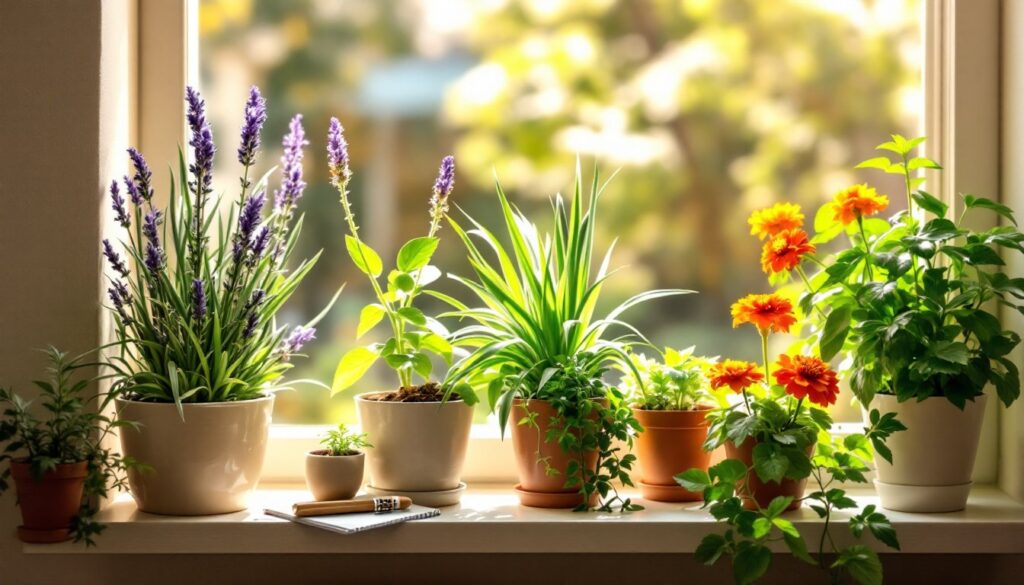
Lavender is the heavyweight of mosquito-repelling plants, and its reputation is well-earned. The essential oil, linalool, is one of the most researched natural repellents: it disrupts a mosquito’s ability to locate hosts. Indoor lavender thrives in bright, indirect light and doesn’t demand constant watering, in fact, overwatering is the fastest way to kill it. Use well-draining potting soil (cactus or succulent mix works great) and water only when the top inch of soil is dry.
Lavender needs at least 6 hours of direct light daily to maintain its fragrant oils. A south-facing windowsill or a grow light 8–12 inches above the plant works well. Humidity should stay moderate: if your home is very humid, ensure airflow around the pot to prevent mold. Pinch back the tops occasionally to encourage bushier growth and more flowering stems. Once established, a single mature lavender plant can cover a bedroom or small living space with its repellent compounds. Expect to wait 3–4 weeks after planting to see meaningful mosquito reduction, as the plant needs time to oil production.
Citronella, Lemongrass, And Basil: The Aromatic Trio
These three plants share a secret weapon: high concentrations of citral, a compound that mosquitoes actively avoid. Citronella (not to be confused with the ornamental plant often sold for outdoor candles) releases a strong lemonlike scent: many homeowners find it pleasant, though potency varies by variety. Lemongrass is equally effective and serves double duty in the kitchen for tea or cooking. Sweet basil works differently, it repels via eugenol and estragole, compounds that confuse mosquito sensory organs.
All three prefer warm temperatures (65–75°F), bright indirect light, and consistent moisture without waterlogging. They’re fast growers, so expect visible results within 2–3 weeks. Lemongrass and citronella like slightly warmer, more humid conditions than basil, but both adapt to standard indoor setups. Basil especially will thank you if you harvest leaves regularly: pruning stimulates oil production and gives you fresh herbs for cooking. Position these plants near windows or doorways where airflow naturally carries their scent. According to resources like mosquito-repelling plants guides, this trio ranks among the most reliable indoor options.
Marigolds And Mint: Low-Maintenance Pest Fighters
Marigolds are tough, cheerful plants that repel mosquitoes via limonene, the same compound in citrus oils. They’re nearly indestructible indoors if given decent light and don’t tolerate sitting in wet soil, let the top inch dry between waterings. Marigolds bloom almost constantly indoors, releasing their signature spicy scent. Mint, by contrast, is aggressive and will happily take over a pot: consider giving it its own container to prevent it from strangling neighboring plants.
Mint varieties like peppermint and spearmint thrive on neglect. They handle lower light than most repellent plants and actually prefer consistently moist (not wet) soil. Pinch off flower buds to redirect energy into leaf production, which is where the repellent oils concentrate. Both plants propagate easily from cuttings in water, so if one thrives in your bedroom, you can clone it for the bathroom or kitchen. Mint is kitchen-ready, fresh leaves go into tea, cocktails, or just rubbed between your hands to release their scent. These two earn their space through sheer reliability and minimal fussing.
Best Placement And Care Tips For Maximum Effectiveness
Where To Position Your Plants Indoors
Placement determines both effectiveness and plant health. Position repellent plants in active living areas, bedrooms, entryways, kitchens, and living rooms, rather than tucked into corners. Mosquitoes hunt using air currents and scent trails: a plant sitting on a shelf where air circulates freely works better than one behind furniture. Bedside tables, windowsills, and kitchen counters near entry points are ideal. If you have multiple rooms, one plant per room is realistic: a single large plant in a central living area can help but has limited range in multi-room homes.
For entryways and doors, place plants where guests brush past them, naturally releasing more oils. Avoid spots where strong HVAC vents point directly at the plant (they’ll dry it out) or where condensation pools constantly. A well-lit corner of a room beats a dark shelf every time. Group compatible plants together for a taller, fuller visual impact and to concentrate their scent.
Light, Watering, And Humidity Requirements
Most mosquito-repelling plants prefer bright, indirect light or 6+ hours of direct sun. Windowsills facing south or west are goldmines, but even north-facing windows with reflective surfaces can work. If your home lacks natural light, a basic LED grow light (30–50 watts, positioned 8–12 inches above foliage) will keep plants healthy and producing oils. Watering is where many people fail: stick your finger an inch into the soil. If it feels dry, water until it drains from the bottom. If it’s moist, wait. Overwatering causes root rot faster than any pest ever could.
Humidity varies by plant. Lavender and marigolds like it moderate (40–50%): lemongrass and mint tolerate (and often prefer) higher humidity (50–70%). In dry climates or winter heating, mist foliage every few days or set pots on a pebble tray with shallow water. Keep water off the soil itself, mist only the leaves. Rotate plants a quarter-turn weekly so all sides get light and growth stays balanced. Feed with a balanced, diluted liquid fertilizer (half strength) every 3–4 weeks during growing season (spring and summer). In fall and winter, most of these plants slow down: reduce watering and skip fertilizer until new growth appears. Additional guidance on house plants near you covers indoor plant selection and setup. For comprehensive planting strategies, mosquito-repelling plant resources detail seasonal care and variety selection. With consistent attention to these basics, your indoor mosquito-repellent garden will deliver months of pest-free, fragrant living.